
2026 Barley & Hop Harvest Update
By Country Malt GroupHarvest is getting underway across North America. Here’s what brewers and distillers should know about this year’s barley and hop crops.
Combines are beginning to roll through barley fields, hop cones are developing across the Pacific Northwest, and the 2026 harvest season is officially taking shape.
While there are still several weeks to go before we have a complete picture of quality and yields, overall crop conditions remain encouraging. As always, weather during these final weeks and through harvest will play an important role in determining the finished crop.
Here’s a high-level look at what we’re seeing across key barley and hop-growing regions.
BARLEY: Harvest Begins in Early Regions
Barley harvest has started in Western Idaho, Wyoming and southeastern Montana, with additional growing regions expected to follow over the next two to three weeks. Harvest is also beginning in southern portions of Canada, while crops farther north continue to mature.
Across the major barley-growing regions, overall crop ratings remain good, although growing conditions have varied considerably by location.
U.S. Crop Conditions
In Montana and North Dakota, much of the crop remains a few weeks from harvest. Recent heat, wind and warm nighttime temperatures have placed some additional stress on dryland acres, particularly fields with lower available soil moisture.
Southeastern Montana has received some late-season rainfall as barley approaches maturity. Early field observations indicate some potential pre-sprout activity in portions of the region, but it is still too early to determine the extent or impact. Quality assessments will become much clearer as harvest progresses and more samples become available.
In Idaho, drought and high temperatures are expected to keep yields closer to average this season. However, overall quality remains good. Idaho’s extensive use of irrigation continues to provide greater consistency, and the crop is expected to remain within acceptable malting specifications.
Canada: A Good Crop Taking Shape
The overall Canadian barley crop remains in good condition, with current expectations for average to slightly above-average yields.
Earlier in the season, portions of Alberta and Saskatchewan experienced significant moisture, which slowed crop development but helped improve drought conditions considerably. More recent heat has helped crops progress, although maturity remains slightly behind normal in some central and northern areas.
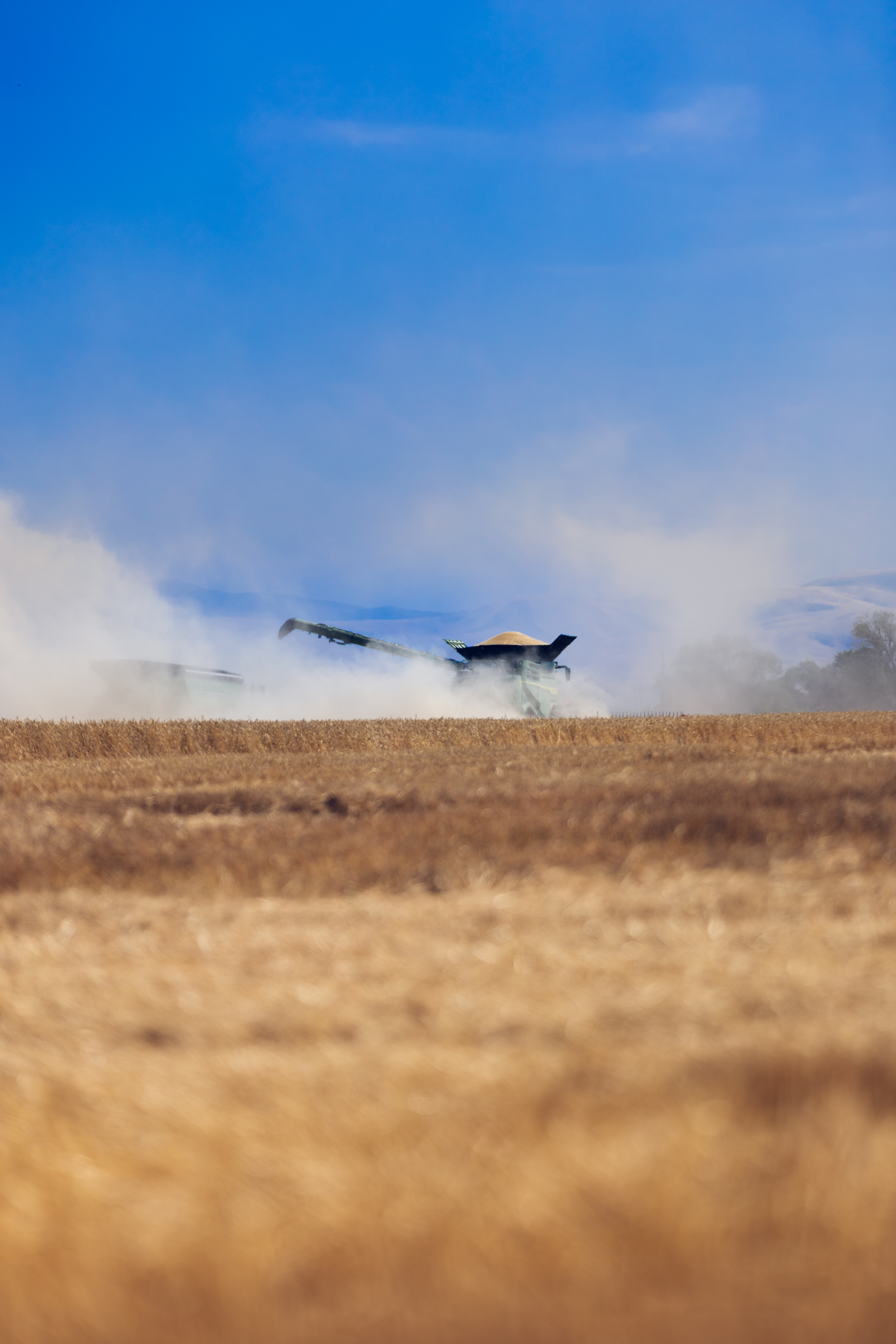
Fields are now rapidly changing from green to gold, and harvest has begun in some southern locations. Depending on geography and planting dates, many additional areas are expected to begin harvest over the next two to three weeks.
Wet conditions earlier in the season increased disease pressure in portions of Canada and North Dakota, but widespread fungicide use has helped manage that risk. Some localized quality variability is always possible, but at this stage we do not anticipate conditions significant enough to disrupt overall barley availability.
What Brewers & Distillers Should Know
The big picture: The 2026 barley crop continues to look generally good across North America.
Harvest is still in its early stages, so quality data will become much more meaningful over the coming weeks. We are closely watching late-season weather, regional moisture conditions and early quality results as more barley comes out of the field.


HOPS: A Consistent PNW Crop Heads Toward Harvest


Field insights courtesy of Yakima Chief Hops and Yakima Chief Ranches
Sometimes boring is good.
That has largely been the story of the 2026 Pacific Northwest hop crop so far. Crop development has been relatively consistent, pest and disease pressures are generally well managed, and current expectations point toward an average or better crop in many areas.
Maturity assessments of Citra®, Mosaic® and Simcoe® show generally uniform cone development across Washington, Idaho and Oregon. Most production remains on schedule, with portions of Oregon’s Willamette Valley running slightly ahead of previous years.
Washington
The Washington crop continues to progress well toward harvest.
Growers have successfully managed early powdery mildew pressure and have transitioned to preventative programs designed to protect developing cones. Spider mite activity remains relatively low, although growers will continue monitoring populations as harvest approaches.
Water supplies are declining seasonally but are currently expected to remain adequate through most of harvest.
Overall, cone development is progressing consistently across the state’s major growing regions, setting the stage for harvest in the coming weeks.
Idaho
Idaho’s hop crop is looking strong and remains on schedule.
July brought sustained temperatures into the low 100s°F (around 38–40°C), which can affect varieties differently. Heat-tolerant varieties such as Mosaic® and Idaho 7® have responded particularly well, while growers continue to monitor more heat-sensitive varieties such as Citra®.
Some variability between fields is expected, but the overall outlook remains around an average yield with favorable crop conditions.
Oregon
Oregon growers are seeing a particularly promising crop.
Following a warm spring, mild summer conditions have supported strong plant vigor in the Willamette Valley. Disease pressure is largely under control, spider mite activity has remained low, and growers currently anticipate average to above-average yields.
Citra®, Mosaic® and Simcoe® are also maturing somewhat earlier than in previous seasons, which could move some fields toward the earlier end of their normal harvest windows.
What About Wildfire Smoke?
Wildfire smoke has received attention this summer, particularly in Idaho’s Treasure Valley, where smoke from fires in eastern Oregon has periodically affected air quality.
At this point, it is too early to expect an impact on hop quality.
Current research suggests that the greatest potential for smoke-related impact occurs during hop kilning rather than simply from smoke exposure in the field. With harvest still ahead, growers and agronomists will continue monitoring air quality closely and can adjust picking and drying decisions as conditions develop.
Washington’s Yakima Valley and Oregon’s Willamette Valley have experienced considerably less smoke exposure so far.

What Brewers Should Know
The big picture: The 2026 PNW hop crop remains on track.
Washington is progressing consistently, Idaho remains strong despite summer heat and smoke, and Oregon is currently showing potential for average to above-average yields. Pest and disease pressures remain manageable across the major growing regions.
With hop harvest approaching, the next several weeks will give us a much clearer picture of final yields, maturity and quality.
Harvest Is Just Getting Started
Crop updates are snapshots, and conditions can change quickly once harvest begins. Right now, however, both the North American barley crop and Pacific Northwest hop crop are progressing well overall.
Our teams and supplier partners will continue monitoring harvest, quality results and regional conditions as crops move from the field into the supply chain.
Stay tuned for our next harvest update, when we’ll have more early quality and yield data from the 2026 crop.
Cheers,
Country Malt Group