
ST. PATRICK’S DAY STILL MOVES BEER. IF YOU BREW FOR HOW PEOPLE DRINK TODAY
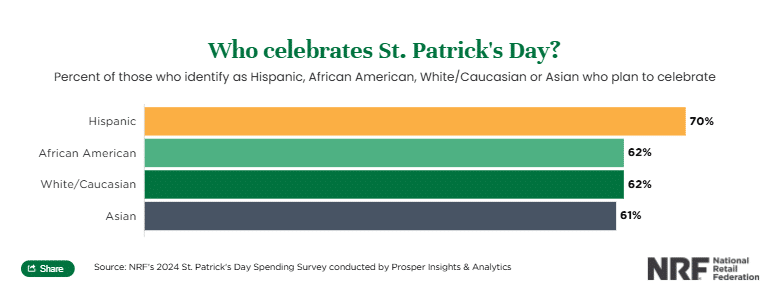
By Ilia Gordeev - Growth Marketing ManagerSt. Patrick’s Day is not a novelty holiday. It is one of the few dates when casual beer drinkers actively choose beer over cocktails or wine. According to the National Retail Federation, Americans spent $7.2 billion on St. Patrick’s Day in 2024, with alcohol among the top three categories. Beer remains the default choice for on-premise celebrations, especially in neighborhood bars and brewpubs.
Beer Volume Spikes – Especially for Familiar Styles
On-premise data consistently shows St. Patrick’s Day as one of the top beer sales days of the year, often rivaling Super Bowl Sunday for bars. Nielsen data cited by multiple trade publications shows double-digit volume lifts for stouts, reds, and ambers in the two weeks leading up to March 17. These gains come from incremental occasions, not brand switching – people simply drink more beer.
You Don’t Need a Gimmick. You Need a Familiar Beer Done Right
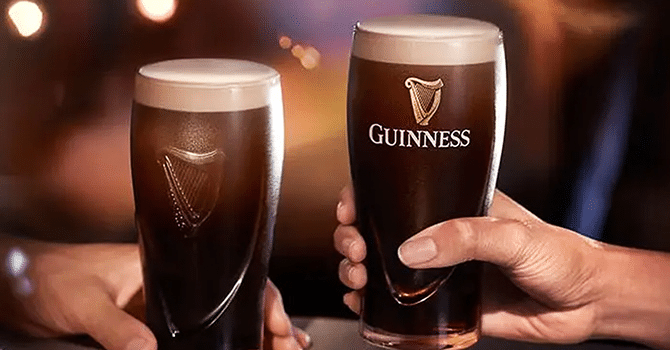
Most drinkers are not chasing lore. They want something recognizable they can order without thinking. Irish Red Ale, Dry Irish Stout, Cream Ale with a green tap handle. These beers work because they are simple, balanced, and easy to drink in multiples. No pastry. No triple dry-hop. Just clean malt, restrained bitterness, and tight fermentation.
Malt Is the Flavor Here – Not the Backstory
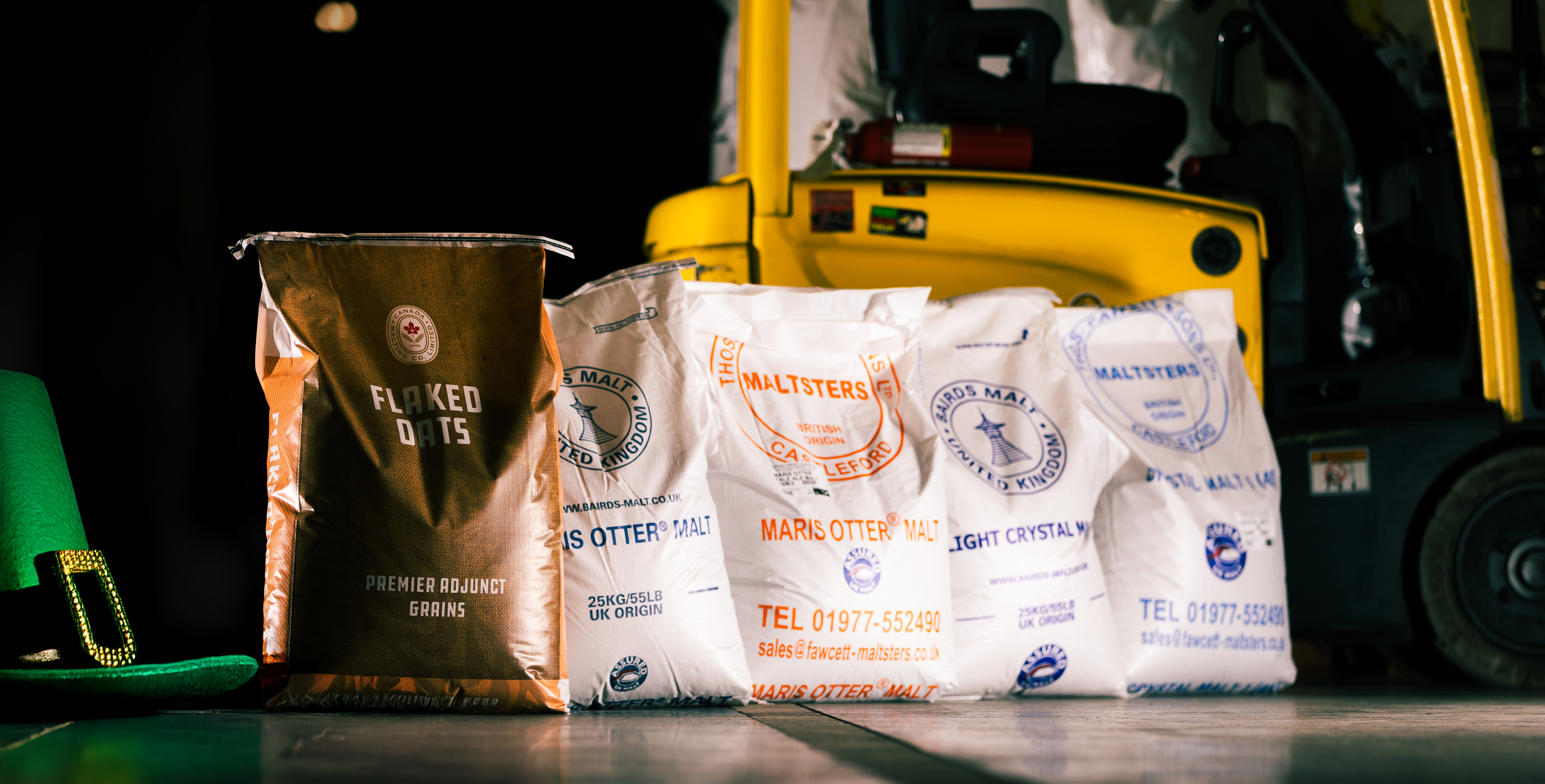
Irish-style beers are malt-forward by design. That’s an advantage, not a limitation. Maris Otter–style base malts, light crystal, roasted barley, flaked barley. Low hop load. One or two classic varieties. From a cost perspective, these recipes typically run lower raw-material cost per barrel than hop-forward styles, while still commanding seasonal pricing.
Timing Is the Only Real Risk
Miss the window and the beer becomes dead inventory. Brew too early and freshness suffers. For most systems, that means brewing 6–8 weeks out for ales, less for faster-turn styles. Breweries that treat St. Patrick’s Day as a fixed production milestone, not a marketing idea – consistently sell through.
This Is a Taproom and Wholesale Play, Not a Brand Manifesto
St. Patrick’s Day beers sell because accounts want something seasonal and familiar on draft. Retail wants a short run they can stack and clear. Nobody expects this beer to define your brand. They expect it to pour fast, move volume, and be gone by March 18.
If You Skip It, Someone Else Fills the Handle
This is not about tradition. It is about predictable demand, low recipe risk, and proven sell-through. Breweries that brew for St. Patrick’s Day do it because the math works. If you don’t take that tap handle or shelf slot, another brewery will – and they will keep it next year.
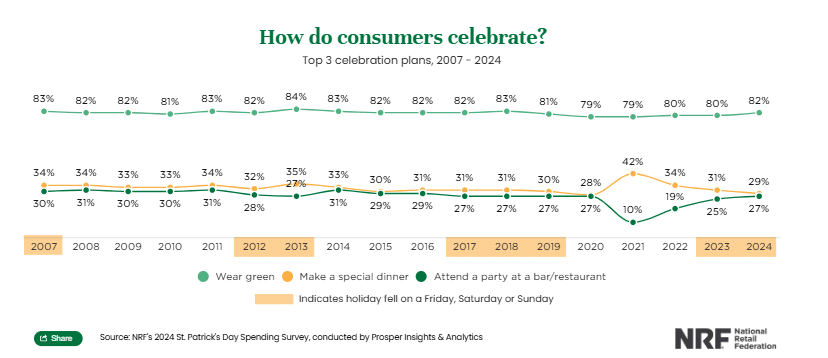
Source: NRF | How consumers plan to celebrate St. Patrick’s Day 2024
Source: Last Call: 44% of Consumers to Celebrate St. Patrick’s Day, Per Numerator; A-B Makes Brewers Collective Leadership Changes; A-B Distributor Moves | Brewbound
Ingredient cost comparisons: https://www.brewersassociation.org/brewing-industry-updates/brewpubs-how-much-does-your-beer-really-cost/
Seasonal planning best practices: https://www.brewersassociation.org/brewing-industry-updates/seasonal-beer-management-best-practices-for-distributors-and-brewers/


Luck of the Pour Cream Ale is designed for St. Patrick’s Day celebrations that call for more than one pint. Loughran Family Ale Malt brings an authentic Irish connection, while Maris Otter adds subtle biscuit character. Flaked barley contributes a smooth mouthfeel and stable foam, creating a bright, approachable ale built for busy taprooms and seasonal promotions.
Specs
- Style: Irish-Inspired Cream Ale
- Batch Size: 20 BBL
- Target OG: 1.048 (12.0 P)
- Target FG: 2.0 P
- Target ABV: ~5.0%
- Target IBU: 18 to 22
- Target SRM: 4 to 5
Grain Bill
- 55% Loughran Family Ale Malt
- 25% Maris Otter Pale Malt
- 15% Canada Malting Flaked Barley
- 5% Light Crystal Malt
Mash
- Single infusion mash at 152°F for 60 minutes
- Mash out at 168°F
Hop and Kettle Additions
- 60 minutes: Hallertau Mittelfrüh to 18 IBU
- 10 minutes: Hallertau Mittelfrüh to 3 to 4 IBU
Yeast
- Fermentis SafAle US-05 for a clean, crisp finish
- Optional: SafAle S-04 for a slightly softer, more traditional ale character
Conditioning
- Ferment at 66 to 68°F
- Primary fermentation 5 to 8 days
- Cold crash 4 to 6 days
- Carbonate to 2.4 to 2.5 volumes CO₂

Celtic Ember Irish Red Ale highlights traditional malt character while maintaining modern drinkability. Loughran IPA Malt provides an authentic Irish foundation, Maris Otter contributes toasted biscuit notes, and light crystal adds gentle caramel sweetness. Small additions of roasted barley and black malt deliver the signature ruby-red color without introducing heavy roast flavors.
Specs
- Style: Irish Red / Amber Ale
- Batch Size: 20 BBL
- Target OG: 1.052 (13.0 P)
- Target FG: 3.0 P
- Target ABV: ~5.2%
- Target IBU: 22 to 26
- Target SRM: 14 to 17
Grain Bill
- 50% Loughran IPA Malt
- 30% Maris Otter Pale Malt
- 10% Light Crystal Malt
- 5% Canada Malting Flaked Barley
- 2% Roasted Barley
- 1 to 2% Black Malt for color adjustment
Mash
- Single infusion mash at 152°F for 60 minutes
- Mash out at 168°F
Hop and Kettle Additions
- 60 minutes: East Kent Golding to 20 to 22 IBU
- 15 minutes: East Kent Golding to 3 to 4 IBU
Yeast
- Fermentis SafAle S-04
Conditioning
- Ferment at 66 to 68°F
- Primary fermentation 6 to 8 days
- Conditioning for up to 10 days for a smoother malt character
- Carbonate to 2.3 to 2.4 volumes CO₂