
PODCAST GUESTS
Mike Shannon - Ales for ALS
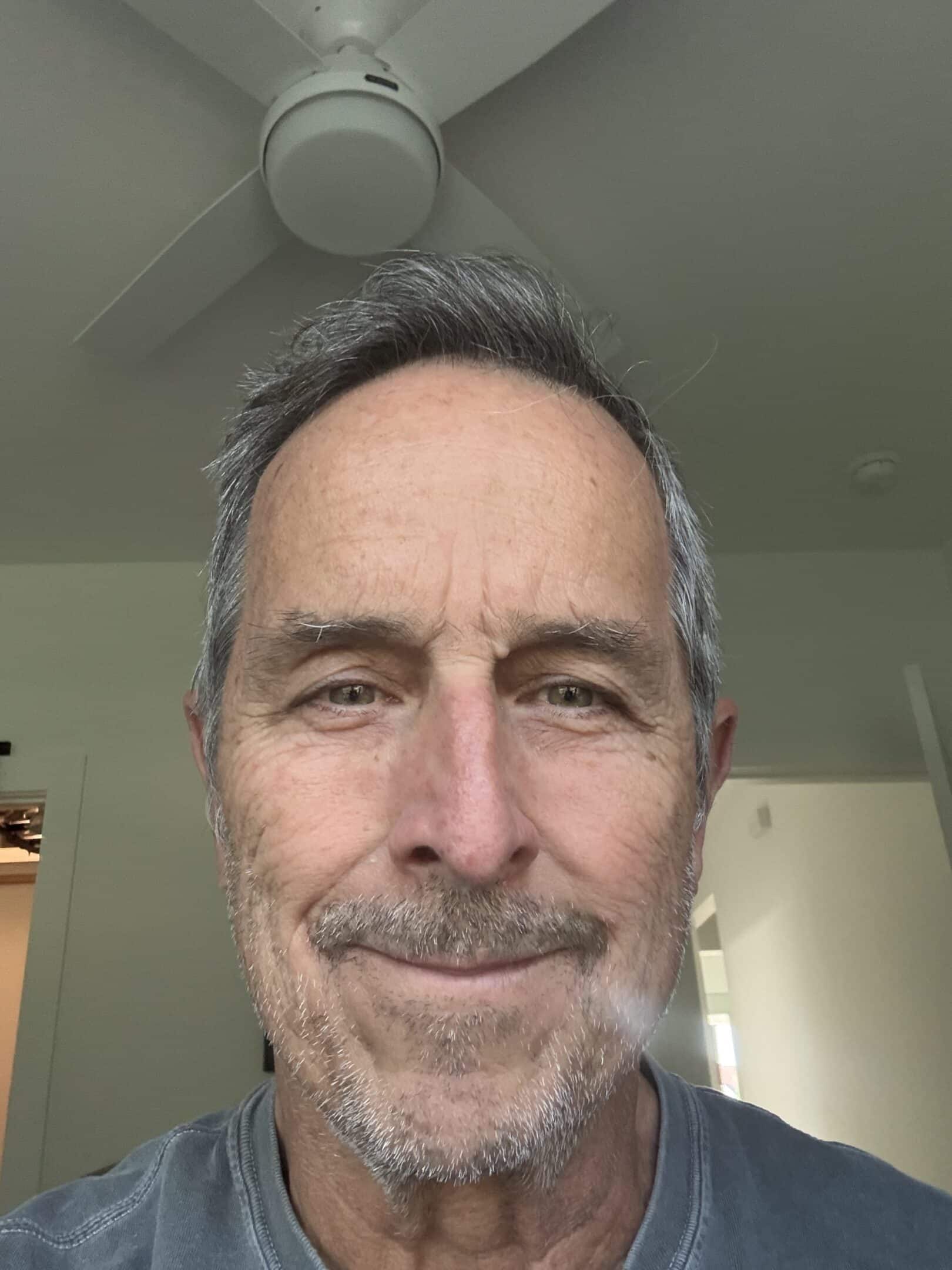 My role is to recruit brewers to brew a beer in support of ALS research and create Release Events to augment funds raised in support our our research lab.
Meghann Quinn - Bale Breaker Brewing Company
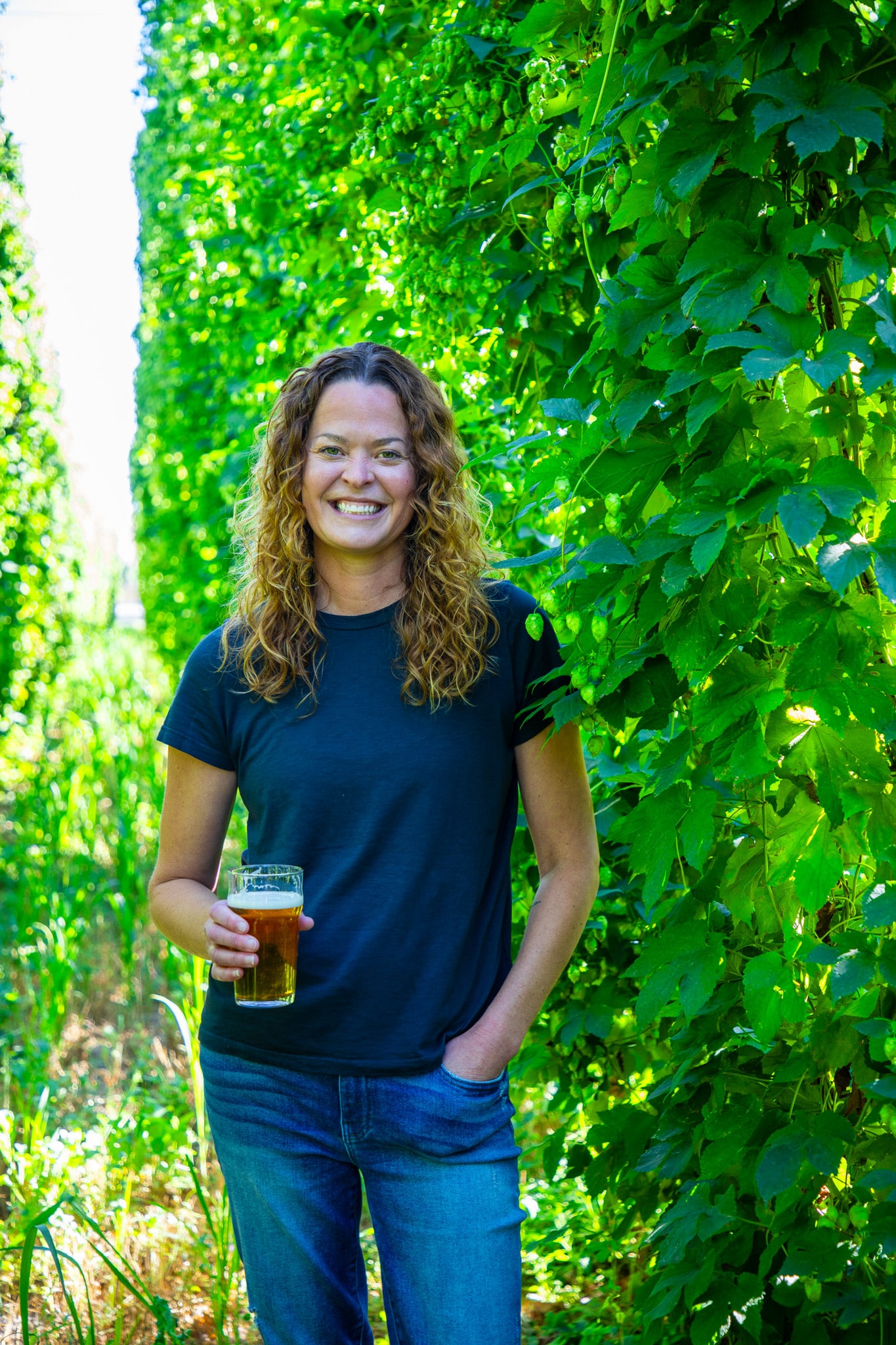 Growing up on her family’s multi-generational hop farm (Loftus Ranches) gave Meghann a deep appreciation for the ingredients and craft behind great beer, and she channeled that passion into a career building Bale Breaker from the ground up since its founding in 2013. With a background in business finance from the University of Washington and early experience in consulting, design, and in the wine industry, she brings a broad skill set to her role overseeing the many moving pieces that keep the business running day to day, while contributing to the sales and marketing vision that drives the company forward.
Leigh Harting - National Pediatric Cancer Foundation
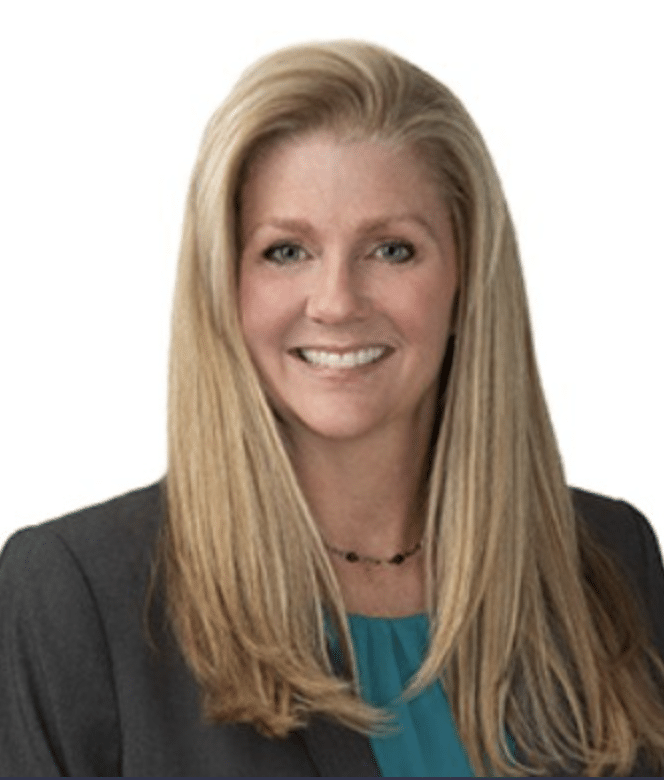
Leigh Harting is an entrepreneur, community leader, and co-owner of 3 Daughters Brewing in St. Petersburg, Florida. Since opening its doors 13 years ago, Leigh has helped build the brewery into a thriving business and an important part of the Tampa Bay community.Passionate about bringing people together and giving back, Leigh now works with the National Pediatric Cancer Foundation to support its mission of ending childhood cancer. Through the Brewing Funds the Cure campaign, she is proud to work alongside breweries across the country to help fund the development of safer, less toxic treatments for children battling cancer. Every pint of our signature Rising Hope beer helps give families hope, fund critical research, and bring us one step closer to a cure for childhood cancer.
Anthony Derby - Florida Avenue Brewing
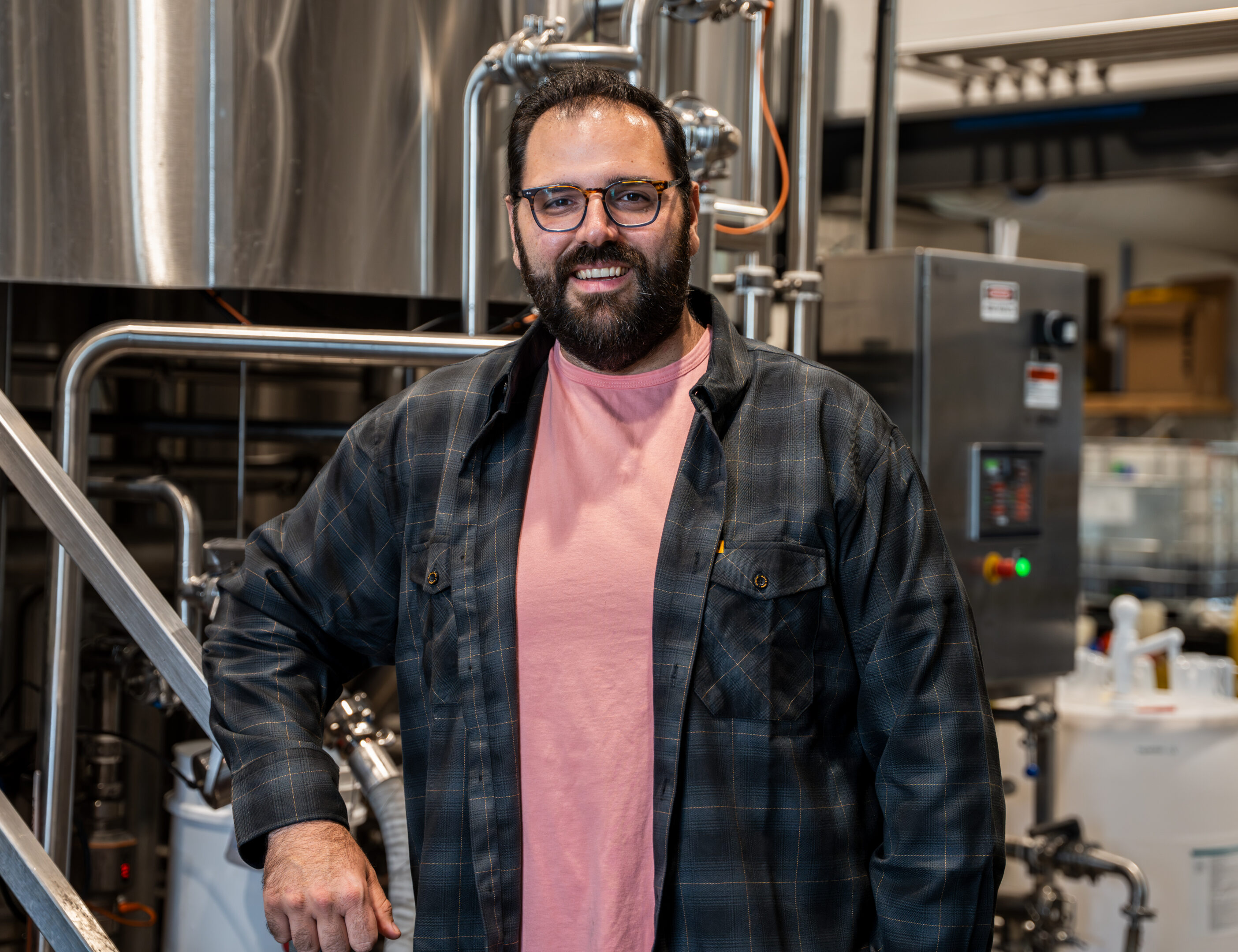 Anthony Derby is a Tampa native and entrepreneur who founded Brew Bus Tours in 2011 following his graduation from the University of Colorado at Boulder. Inspired by his passion for craft beer and the need for a safe, engaging way to experience local breweries, Anthony created a first-of-its-kind beer tourism concept that continues to help define the industry. In 2012, Anthony and his mother, Toni Derby, expanded the brand with the launch of Brew Bus Brewing—a private-label beer created exclusively for Brew Bus passengers—further pioneering the intersection of craft beer and experiential hospitality. In 2015, Anthony and his partners acquired Florida Avenue Brewing Co., one of the earliest craft breweries in the Tampa Bay area, originally founded in 2010. Under Anthony’s leadership, the brand has been revitalized and scaled to achieve statewide recognition. Florida Avenue Brewing Co. opened its flagship production brewery and restaurant in Wesley Chapel in 2020, followed by a second Tampa location in 2023 at the corner of Florida Avenue and Chelsea Street in Seminole Heights—just blocks from the brewery’s original home.
The year 2024 marked a major milestone for Florida Avenue Brewing Co., with the company achieving more than 100% year-over-year growth and earning a position among the top 100 largest breweries in the United States. While the broader craft beer industry continues to contract, Florida Avenue has consistently expanded its distribution footprint, gaining shelf space year after year across Florida and beyond. Anthony is deeply committed to community engagement and nonprofit leadership. He actively
supports organizations including the Moffitt Cancer Center, National Pediatric Cancer Foundation, Meals on Wheels, and Frankie’s Friends, and has served in leadership roles on numerous boards.
MORE EPISODES
SEASON 7, EPISODE 12: Brewing for a Cause
PODCAST HOSTS:
Justine Johnson – Marketing & Global Events Manager, Country Malt Group
PODCAST GUESTS:
Mike Shannon – National Director, Ales for ALS
Meghann Quinn – Co-Owner, Business Manager, Bale Breaker Brewing Company
Leigh Harting – Cause Campaign Manager, National Pediatric Cancer Foundation
Anthony Derby – Chief Executive Officer, Florida Avenue Brewing Co.
Beer has always had a way of bringing people together. But what happens when that sense of community is used to make an impact beyond the taproom? In this episode of The BrewDeck Podcast, we highlight two programs doing exactly that: Ales for ALS and Rising Hope. Both bring together breweries, suppliers, nonprofit organizations, and beer lovers to turn great beer into meaningful support for medical research.
We sat down with Mike Shannon, National Director of Ales for ALS; Meghann Quinn, co-owner and co-founder of Bale Breaker Brewing Company; Leigh Harting, Manager of Campaign Marketing for the National Pediatric Cancer Foundation; and Anthony Derby, CEO of Florida Avenue Brewing Company to hear the stories behind these programs and why the brewing community is so well suited to rally around a cause.
Ales for ALS
Ales for ALS started with a personal connection. As Meghann Quinn and her family were preparing to open Bale Breaker Brewing Company, her uncle was diagnosed with ALS, a disease that had already affected multiple generations of her family.
What began as an idea for a local fundraiser grew into an international brewing campaign. Today, around 300 breweries participate annually, creating beers with a special hop blend and raising funds for the ALS Therapy Development Institute. Since the program began, approximately $12 million has been contributed to ALS research.
Rising Hope
The program brings breweries and industry partners together to support the National Pediatric Cancer Foundation and its mission to develop more effective, less toxic treatments for children with cancer. Country Malt Group donates ingredients for participating Rising Hope beers, helping breweries direct more proceeds back to the cause.
Florida Avenue Brewing has participated since the program’s early days and has donated more than $100,000 to the National Pediatric Cancer Foundation through Rising Hope.
Key Takeaways
- Both programs show what can happen when breweries, suppliers, nonprofits, and customers come together around a shared purpose.
- From malt and hops to brewing, packaging, distribution, and the final pint, industry partners can contribute products, services, time, or resources to help more money reach the cause.
- Breweries can brew a special beer, collaborate with others, host an event, dedicate a tap, or find another approach that works for their business and community.
- These programs also create awareness, connect families, and give the brewing community an opportunity to support people facing ALS and pediatric cancer.
Transcript - EPISODE S.7, E.12: BREWING FOR A CAUSE
Justine Johnson (00:08)
Welcome back to the Brew Deck Podcast. My name is Justine and today we’re talking about something pretty special. What happens when great beer becomes a way to do some good? Across the brewing community, brewers are finding a way to use what they do best to bring people together, raise awareness, and support causes that matter. Today we’re highlighting two incredible programs doing exactly that. ALES for ALS and Rising Hope. ALES for ALS is an international fundraising campaign that brings together
Breweries to brew beers using a special hot blend and with the proceeds going towards critical ALS research. We’ll be talking with Mike Shannon, National Director of ALES for ALS, and Meghann Quinn, owner of Bale Breaker Brewing Company.
we’ll be talking to them about the program, the brewing community behind it, and what it means to brew something bigger than beer.
We’re also shining a light on Rising Hope, a program that brings together breweries in support of pediatric cancer research. Joining us for that conversation are Leigh Harting the manager of campaign marketing for the National Pediatric Cancer Foundation, and Anthony Derby, CEO of Florida Avenue Brewing.
We’ll hear the stories behind both programs, talk about the people and breweries bringing them to life, and explore how something as simple as sharing a beer can make such a big impact.
Well, let’s get into it.
Justine Johnson (01:25)
I think we can kind of kick off the recording today
with introductions.
Mike, if you kind of wanted to s start.
Mike Shannon (01:33)
Sure. I’m Mike Shannon. I am the national director for the ALES for AL S that is nationwide, originated in Yakima and I live in North Carolina on the coast of North Carolina.
Justine Johnson (01:47)
Awesome. Meghann
Meghann Quinn (01:48)
And I’m Meghann Quinn. I’m one of the co-owners and founders at BaleBreaker Brewing Company here in Yakima, Washington. my family also has a hop farm here in Yakima. so I’m fourth generation hop farmer as well. And that’s left with leftist ranches.
Justine Johnson (02:03)
Fantastic. Thank you so much for both joining us today. We really appreciate it.
Meghann Quinn (02:06)
Yeah, thanks for having us.
Justine Johnson (02:09)
I think we I the biggest question is I want to start off with what is AL ALES for ALS
Meghann Quinn (02:15)
Mike you probably have the Yeah, you you start.
Mike Shannon (02:15)
Well I’ll I’ll I’ll address
what what the program is and what it supports and Meghann can kind of talk about the inception, I think. the program was created by Meghann and her family to support the ALS Therapy Development Institute. And that is in Watertown, Massachusetts. We are the largest nonprofit
ALS research organization trying to create treatments and therapies for ALS. We have about three drugs that are currently in clinical trial or various stages of clinical trial that we’re trying to move forward to treat the disease. And you may know or may not know that the disease does not have any real effective treatments at this time. There are some that are moderately effective, but they don’t change the course of the disease. And that’s what we’re shooting for after 27, 28 years.
of the development of our lab, we have come to a point of proof of concept where we have a drug that’s actually really exciting that is in trial. And if you’re following ALS, there’s another one that recently has popped up in in drug trials that is treating ALS, not created by us, but it’s encouraging that now more and more drugs are coming forward.
Meghann Quinn (03:22)
Yeah, so ALS for ALS, how we got involved, or I guess how the inception of the program, back in 2011 ish, thereabouts, we started planning the idea of starting bail breaker on our brewery on our family’s hot farm. and it was my myself, my husband, and my brother were really the ones spearheading bail breaker. and right around that same time, my uncle was diagnosed with ALS. unfortunately, my family that was not a sporadic.
One-off situation. My family’s had a long history of ALS, dating back to when my grandfather passed away when I was four. And actually, now that we realize that it’s a familial thing, we realize that his father had also died of ALS. so it’s been a big thing that’s been in my family for a really long time. and my grandfather was one of eight children, and six of the eight in his family passed from ALS.
Like I mentioned, it’s a familial, we have a familial gene. and so of those eight siblings, there’s a lot of kids in like my mom’s generation. so right around the time that Bailbreaker was starting, my uncle was diagnosed, which was super devastating for us. and so when we were planning Bailbreaker, we were like, Well, let’s do something. Let’s, you know, community is a really big part of who we are at Bailbreaker. and so just kind of came up with the idea, kind of use
Pints for Prostates was a big fundraiser back in in that time in the craft beer industry. And so kind of that spurred the idea of the name Ails for LS. And so I just kind of thought, we could do a big community event at the brewery and, you know, do something to support my uncle, you know, raise some money, whatever. And was talking about it with my parents, my dad, who runs our family’s hot farm. And my dad was like, I love this, but why would we stop at just, you know.
one event in Yakima. Let’s, you know, make this thing bigger. so it was his idea to donate hops off of our family farm. YCH Yakima Chief Hops agreed to make a a special hop blend with the the hops that were donated. So it was a unique blend every year. And then the YCH donates the hops to the participating breweries across the country. So Mike, you can talk a little bit more maybe about
How many breweries have participated over the years?
Mike Shannon (05:37)
Yeah, there’s an an average annually of about now, because we’ve brought the program up to a certain level, about 300 brewers participate annually in brew beer for everything from nanos to large-scale breweries like Sierra Nevada, New Belgium. Boston Beer has been in the program for a number of years prior to the last couple of years, and BaleBreaker, of course. So those breweries in turn turn around and make a donation back based upon the volume of beer that they brew.
we have in the last five years or so after COVID created the opportunity to create release parties like Megan’s family’s event at BaleBreaker every year that would be of various sizes, small scale come and taste our beer to larger scale ticketed events like we’re having in Seattle on October 3rd. And those events raise an additional
$600,000 to $700,000 a year on top of the about $450,000 a year that the brewers provide. So we’re over a million dollars as a program and we’re about twelve million dollars to this point from the beginning of the program, contributed to the ALS Therapy Development Institute.
Justine Johnson (06:47)
That’s
amazing. And I guess more trying to understand what is the ALS Therapy Development Institute? What do they do?
Mike Shannon (06:56)
Yep. So the ALS Therapy Development Institute was started in nineteen ninety eight or nine by the Haywood family. Jamie Haywood was an MIT scientist. His brother Stephen had ALS. And Stephen
was only twenty-eight at the time and they were like, This is crazy. Why are there no treatments and therapies for this disease? Why is there no d organization dedicated completely to that? Because the most of the development of drugs comes through pharma and industry. And ALS being orphaned a disease was not really something on the radar of a lot of pharma companies, right? So small scale. most of the research was being done at universities and kind of basic scientific research.
Platforms in which there was no drug development kind of pipeline. So the Haywards created this concept, they put it into practice, they created a lab. My friend Sean Scott became the president. He went and sought funding and received it from many different sources. Augie Nieto, a gentleman who created Life Fitness Equipment, became our largest funder. And we grew our lab to a point where
In 2009 or 10, when I met Megan’s family, they were like, Well, we want to be part of this, we wanna contribute to this so that we can help create treatment syntheties, which were which is the basis of our entire funding mechanism, with exception of maybe small amounts of government dollars. and then when the Smith family came on board, Smith Hans’s family, because that’s the other side of the family, which is Cheryl’s mom, excuse me, Megan’s mom, Cheryl.
Justine Johnson (08:23)
Yeah.
Mike Shannon (08:23)
And they decided, well, we were gonna do something larger. And that’s when, you know, honestly, when there was another family, the Reach family in the Northern California area, San Francisco Bay Area, that created a a an opportunity as well. With those two particular large-scale funding operations, we’ve now gotten to a point where we’re around a 12 to 13 million dollar operation that
is going to expand to about a $20 million pressure because we’ve just secured an anonymous donation that’s going to be in perpetuity for the next decade or more. And we’re moving into a new lab that’s going to be two or three times the size of our old lab, which will then increase our ability to have more throughput screening for drugs and create potentially more opportunities within the next five to six years and maybe treatments that are more effective than what we’ve
As a collective community created for the past 20 to 25 years. 25 years ago, there was one drug in clinic. Now there are about five or six. And that’s, I think, largely due to organizations like ours who have expanded this volume of research and scope to focus on various aspects of the disease in which we think we can stop the disease.
Justine Johnson (09:42)
That’s amazing. and I guess you both have kind of gotten involved in different ways, how you kind of got into ALS for ALS and everything. but what is something, and this is for both of you, that both of you wished people knew or understood more about ALS?
Meghann Quinn (09:59)
I mean, it’s
Justine Johnson (09:59)
Well
Meghann Quinn (10:00)
just such a devastating disease to watch your loved ones suffer from it. And then to also know, like in our family, to have the familial, the familial aspect of it. you know, right now my mom’s cousin generation, I think there’s like 30 cousins in that generation, and each of them have a 50% chance of of getting the disease. And if you have the gene, you will 100% eventually get ALS.
one of her cousins was just diagnosed last month. so it’s just continuing to affect everyone. And it’s just such a devastating disease to watch your loved ones die of. and then to know that now my generation has this in our future as well. So just that familial aspect of it as well, because it doesn’t get as much awareness as, you know, some of, you know, Lugar, you know, different sports people who have been really famous for it.
Mike Shannon (10:52)
And and I would like to on a personal level to let you know that Megan’s uncle Scott married my wife and I. Yeah, so they’re
Justine Johnson (10:58)
wow. That’s incredible.
Mike Shannon (11:00)
we we’ve we’re we’re really lucky to have that kind of relationship with them. but I I would say that what I would like to let people know is that this is not incurable, it’s underfunded really, because any disease that’s ever succeeded in stopping or creating treatments for a particular disease has been
By an effort that’s been very large. And ALS is approaching that kind of level, but it’s not even close to what other disease indications receive in terms of funding for research. And, you know, there are currently two drugs that actually are impacting the disease. One is called Toferson, and it’s a drug that’s created by Biogen.
And there’s another drug that just came out. I cannot remember, Atsuka, I believe, is the company, is a Japanese collaboration with the US company. And there’s a drug for FUS, which is a type of ALS, like Meghann and family has TDP43, which is a genetic mutation. FUS is another form of a mutation. This particular treatment that they have recently created is treating FUS ALS patients and it’s stopping the disease. So this is
completely solvable. It’s just a matter of the level of funding and the focus of the research.
Justine Johnson (12:07)
Absolutely.
and I guess with Ails for ALS, you Meghann, your family started it fifteen ish years ago now. Coming I yeah. yeah,
Meghann Quinn (12:16)
Thereabouts, yeah. Thirteen. Yeah.
Justine Johnson (12:19)
over those years kind of what has been one has there been one standout story, one standout event or anything that have really created that community aspect for you or anything like that?
Meghann Quinn (12:30)
so we host a really big event here at the brewery every year. that we call obviously a ill three us. It’s the last Saturday of June every summer. we put a big tent on our front lawn, live music, food trucks, the whole thing. It’s a free event for people to attend. and then we just donate the proceeds from the day and are, you know, trying to accept additional donations. it’s amazing to see the now amount of families that continue to come back year over year. that
you know, are f not necessarily local to Yakimov. They’re traveling in, you know, hours to come to this event. you know, a lot of times they’re bringing their loved ones that, you know, have ALS and are battling the disease. But to see those like community, those people, those families meet at the event and get support from each other and come back year over year. then then they’ve found other families that they can that they can lean on and they can have be have gotten to connected with because of the event is super special.
so I’d say.
Mike Shannon (13:25)
Yeah, there are there are two like there’s so many that I could tell you right now. We have enough time, but there are two in particular that kind of strike me as like just amazing. Like you’re saying, Meghann, like these families that come from all over. One is we do every year in Toledo, Ohio. And you think Toledo? You know, you think the Toledo Mudheads, Jamie Farr from MASH, right? Literally we hold it at the Toledo Mudhead Stadium. And it was put on by a gentleman there named John Shannarl.
Who’s came to our lab in Boston and said, I want to do something. What can I do? And he saw this Ailes for Less thing. He says, I want to host an event in Toledo. So every year we have over 1,500 people show up at the Toledo Medin Stadium. They raise about $250,000 a year, and they’ve raised a million dollars in four years for the program, largely because of John’s connection in the
Toledo community and the banking industry and all of his friends and family, new people we’ve met that are connected to the ALS that are in that region. And it’s just such a cool thing, just like the the the event that Meghann and the family have at BaleBreaker, it’s just all these people coming from all over. I believe BaleBreaker outdoes Toledo by like a thousand people or so. It’s a much larger one. And the other cool story that was really something that’s made me feel good.
I met a young man in Spokane, Washington, who works for a brewery called Spokenite. His name is Scotty Schlosser. And I got to know him as a brewer. And then I met his dad and I went to high school with his dad. And
Meghann Quinn (14:51)
Ha ha ha.
Justine Johnson (14:52)
Yeah.
Mike Shannon (14:52)
Scotty says, Well, I think I’m related to this family. And he is a
Meghann Quinn (14:57)
Ha ha.
Mike Shannon (14:58)
cousin of that family line that comes from Cheryl’s family, the Hansis Schlosser line. And Scotty was like, I really want to meet them. I want to get more involved. He came out.
few years ago to the event at BaleBreaker, met everybody from I mean, I think he may have met some of them, like Megan’s grandmother when he was like a little boy. And he beat the entire family. His family now is motivated. His uncle just recently passed away, but he’s got another uncle, I believe, that’s d that has the disease right now too. So just connecting those dots and which we we try to do because that creates more
continuity and more community, so pretty cool stuff.
Justine Johnson (15:37)
Yeah, that’s amazing. And I mean I think ALS in general touches everybody in some different way, whether it’s a family member or friend or a family or friends and such. and then ALES for ALS in general also touches every portion of the beer supply chain. Meghann from the hops, from the malt side to the brewing side to everything else. What do you think about the brewing industry is particularly good about rallying around causes like this where we get so excited and
Wanna share that pint, but also for a good cause.
Meghann Quinn (16:08)
Yeah, I think just so much about the like craft beer industry is so much about community and creating space and creating somewhere for people to gather. And so yeah, I think just like it’s just kind of an inherent like fit to it makes sense to to bring these two things together. because yeah, I think in the industry itself is so is a collaborative industry and they want to help and do good. So I think so yeah, I think it was it was a good good fit for to do to do this program.
Mike Shannon (16:35)
I I’m just amazed at the people in the industry that know each other and that know each other intimately. Like the people that are in our program largely are in our program because of their relationship with BaleBreaker, the Smith family, YCH. And they want to do it every year and they want to be part of it. And you know, right now it’s a tough industry for brewers, and they still every year.
line up and get the hops and do their beer and still talk about it. Every time I go to CBC or some other, you know, industry event and like Kate, you know, Kate shared her story, your your coworker, about her relationship to ALS. And it’s like and the relationship to the family and to the other brewers. So it’s like you could just mention that name. I know them. yeah, I know them. I know Mike Smith. I know Kevin Smith. I know Meghann Smith. And it’s
It’s very cool to have that access as a person running this program. And it’s like I don’t I don’t like take it for granted that I’m we’re really fortunate to have that kind of a a situation.
Justine Johnson (17:38)
Yeah,
it really is an a unique industry where coworkers feel like family and I think that’s why a lot of people stick around and they wanna stay here.
And I guess so how if somebody is listening here or they’ve heard about ALET for ALS how and they’ve never participated, I guess I’m curious what your pitch might be to them. why should they brew one next year? How can they get involved? And I think also stemming to as a Canadian myself, understanding that it’s not just a UAS based cause that there are a bunch of Canadian brewers already involved. So
We wanna make sure that word’s getting out there, but what would your pitch be to get everyone else involved?
Mike Shannon (18:19)
Well, Megan’s looking at me, I think. I’m just I think it’s hard to but I’m reading her.
Meghann Quinn (18:21)
Mm-hmm. You’re the you’re the pitch guy.
Mike Shannon (18:24)
I’m reading her.
Justine Johnson (18:26)
Yeah.
Mike Shannon (18:27)
I my comment to anybody out in the brewing industry that hears this right now, and and and remarkably, we probably get like honestly, one out of every 10 inquiry is a person that’s directly affected by LS. A wonderful guy in Camhorn in Chicago, he just reached out to us and said, I want to brew.
My wife Nikki of 30, 40 years old, maybe, just got diagnosed with ALS. It’s at homewood brewing, and they’re gonna do a beer and collaborate with eight different Chicago brewers to do this. And he just reached out through our website. And you know, we we put out a lot of information, we do a lot of marketing, but if you’re hearing this right now, go to Ailes for LS, just Google it, just search it and
Go to our website and send us a message and we’ll get back to you. We’re pretty prompt. if you’re a nano all the way up to a big production brewery and you want to have something to do with this program, we would love to have you brew a beer for us. If you can’t brew a beer because the production schedules are tight, we can provide you with a tap handle and you could like designate one of your flagship beers that you can use on a particular month to donate a certain amount back to us and be part of the program. You can be a sponsor.
We have you all at CMG as one of our sponsors, which is amazing. Yakma Chief is a sponsor. So there are many ways to get involved. And if you’re directly impacted by this disease and you’re in the brewing industry, you should get involved. And if you’re somebody that just loves to have a cause that you can get behind and be part of this industry, please do. I I was just telling Meghann the other day I met a woman in Rochester, New York who reached out. She’s with Strange Brew, Strange Bird Brew.
Brewing company in Rochester and her father has ALS right now and she joined the program and Megan’s gonna meet her I think this weekend in Yakima at Harvest. So if you go to Harvest and you see this, join.
Meghann Quinn (20:16)
Yeah, definitely. And the the cool thing about the program is we we what we as brewers, we understand that like we want it to be as flexible as possible. So each year we’ll select a different blend of hops. This year’s blend, the 2026 hop blend was Simcoe, Citra, Equinaut, and Columbus. But each year the blend will change. so you’re always getting something different to play with. And there’s no like stipulations on when you need to brew the beer, what you the recipe itself you can, you know, get get your hop order in, smell the hops, decide how what
you want to showcase to on how you want to express the beer or the hops in in the beer of choice. So and it just as luck it’s like a super flexible program. So within the next, well soon hopefully, we’ll be doing the hop selections from the 2026 crop year, which will be the blend for the, you know, upcoming 2027 brewing year.
Mike Shannon (21:07)
And we have we have hops still available from the twenty twenty five crop year. So like Megan’s saying, it’s flexible. You want to come in late this year and want to join? We have hops remaining for this year and we’d love to recruit another forty or so brewers to be part of what we do. And if that means you have to push your brewing into the new year with that hop blend that’s available now, that’s fine. Let us know.
Justine Johnson (21:27)
It’s amazing. And I guess Meghann, correct me if I’m wrong, but Bailbreaker does one beer specifically every year.
Meghann Quinn (21:34)
Yeah, so f to release at our event at the end of June, we do one an IPA every year, West Coast IPA that we call Bubba’s Brew. my uncle, who was the inspiration for the program, his nickname was Bubba. so that was the inspiration behind the name. Each year the recipe does change a little bit because the hops change and maybe we’re wanting to just do so do something fun, do something different, but we always call it Bubba’s brew. but it’s generally a West Coast IPA, mid six percent alcohol.
and then we usually do a second Ails for Less beer to feature at the event as well. usually something, you know, it’s dead of summer here in end of June. So we usually try to do maybe the second beer would be something lighter, like a hoppy lager or something like that. so we’ll usually have a second a second beer that we’ll release that day as well. But that one usually rotates every year.
Justine Johnson (22:22)
Yeah, no, that’s amazing. And I mean it it means that Bubba’s brew is just different every year and you have to try it every year.
Meghann Quinn (22:27)
Yeah, exactly.
Justine Johnson (22:30)
Awesome. Well, I appreciate you both joining today. kind of before the final, final question that we always pose to people. do you have anything else you wanted to kind of highlight or shout out or just give some more information on this program and ALS?
Meghann Quinn (22:48)
I mean, I’d say like honestly, our like hope is that we don’t have to do this anymore. Like, because that would mean that we’ve found a cure and ALS for or ALS is no longer something that our family needs to worry about. but you know, until then we’ll just keep keep pushing.
Mike Shannon (23:06)
to
piggyback on that, I mean ALS TDI, our whole purpose is to create treatments and therapies for people that are living with ALS. We would like to also be able to close our doors and say we’ve solved the problem. Now, we don’t like to use the word cure because cure is quite loaded, but we do say, you know, if there are treatments and therapies that can be effective in slowing down or stopping ALS at any point, we want that to happen in the near term. We’re not gonna study this thing.
you know, at a pace that’s not directed towards that goal. And anybody that’s involved on the brewing end knows that you have to plan and you have to, you know, sometimes work really fast to get things done to get your beer to where you want it to be so that it’s perfect. We want to do the same thing with drugs and treatments. We don’t want to sit there and like take too long.
Justine Johnson (23:53)
Yeah, absolutely. It’s one of those things where it affects families so hard that you don’t want to keep allowing them to suffer and everything. And we appreciate that you guys are so involved in this and working hard towards that, that we’re proud to be partners and sponsors on this.
Meghann Quinn (24:09)
Yeah, thanks.
Justine Johnson (24:09)
Mm-hmm.
And then I guess my final question, this is one we always put to everybody, what’s your favorite drink?
Meghann Quinn (24:17)
Favorite drink?
Mike Shannon (24:18)
Of a beer, not anything else.
Meghann Quinn (24:20)
Right.
Justine Johnson (24:20)
I hey, I’m opening that up.
Mike Shannon (24:22)
Water no.
Justine Johnson (24:25)
There’s water and beer.
Meghann Quinn (24:26)
I mean definitely a hobby West Coast IPA.
Justine Johnson (24:29)
Amazing.
Mike Shannon (24:29)
You know, I
I’m spoiled. I live on the East Coast now and they it’s really hard for people over here to make a really good hoppy West Coast clear IPA. Like it’s hard for sometimes people in the West to do you know, a New England IPA. But I I I s I just seek that fresh, crisp, and I I’m not near fresh hops right now. IPA that’s a West Coast IPA. BaleBreaker is an expert at that.
And you know, one of my other favorites, which are really good friends of Meghann, Kevin and Kevin are the Russian River Brewing Company beers and a pliny right now would be welcomed.
Meghann Quinn (25:10)
Well, you’ll be out this way
Justine Johnson (25:10)
Fantastic.
Meghann Quinn (25:11)
next week, Mike, so you can get some fresh hot beers.
Mike Shannon (25:13)
I’m I’m gonna shoot for it. I can’t get all the way to Apple, I’ll I’ll be in Seattle.
Meghann Quinn (25:18)
We’ve got over there too.
Justine Johnson (25:20)
Close enough. Somebody can ship you one.
Awesome. Well, I appreciate both of your time. I know it’s a hectic time, especially for you, Meghann, being in the middle of Hop Harvest and everything else. But I really appreciate both of your times and yeah, look forward to growing this program.
Meghann Quinn (25:35)
We appreciate you giving us the opportunity to talk about it.
Mike Shannon (25:38)
Yeah, we we’re grateful for you, Souffle, CMG being involved and being a sponsor this year. We’re we’re we’re we’re very lucky. We’ve we’re we thank you for that.
Justine Johnson (25:48)
Yeah, absolutely. Thank you so much. All right.
Meghann Quinn (25:50)
Yep, have a good one.
Justine Johnson (25:51)
Bye.
Meghann Quinn (25:52)
Bye.
Mike Shannon (25:52)
All right.
Justine Johnson (25:53)
you for joining us. I think we can start with some introductions. Leigh if you want to start.
Leigh Harting (25:59)
My name is Leigh Harting and
My husband and I have three daughters brewing, which is a craft brewery here in Florida. But now I’m also working with the National Pediatric Cancer Foundation to help raise funds for children and their families who are facing cancer. Our whole mission here is to end childhood cancer and to give treatments that are more effective and less toxic so that they have a brighter future and they can end up cancer free.
Justine Johnson (26:27)
Amazing, thank you. Anthony?
Anthony Derby (26:29)
Yeah, how doing? My name’s Anthony Derby. I’m the CEO of Florida Avenue Brewing Company, also based in the Tampa Bay area. we started in 2010 as a brewery on Florida Avenue in Tampa and have since grown to regional brewery status producing over thirty thousand barrels of beer. we also produce RTDs and spirits. We do a good amount of contract brewing work as well. And we’ve been involved with the Rising Hope program since since day one.
we’re really fortunate to to have National Pediatric Council Foundation as a partner of ours and something that we look forward to continuing year after year and it’s always something new to for the program and something that keeps us engaged year after year.
Justine Johnson (27:12)
Fantastic. Thank you both so much for being here. We really appreciate it. so I guess kind of starting at the beginning, obviously Leigh, you work for National Pediatric Cancer Foundation. what is rising hope? and how how long has it been going and all the in information on details on that one?
Leigh Harting (27:31)
Yeah, that is a great question. And first of all, before we launch into Rising Hope, I just want to say that this would not be possible without the national support from Country Malt Group. You guys have been amazing. This program is all about bringing together leaders in the beverage industry to help kids battling cancer. And the support from you makes that all possible. So Rising Hope, that is a beer that is created every year.
It is a signature beer. And Country Malt Group donates all of the ingredients for it. And then we have these amazing leaders all across the US that take those, they formulate it into a beer every year, and then they brew the rising hope, put it on tap, and they donate net net proceeds to the National Pediatric Cancer Foundation. So it is a signature beer. It’s amazing. breweries like in Florida.
Florida Avenue in California, Mike Hess Brewing, and there are many breweries in between that dedicate their time, their money, their resources, and their passion to help these kids and their families.
Justine Johnson (28:40)
That’s fantastic. And Anthony, Florida Ave, I believe has been doing this brew for a number of years. How did you first kind of get involved and how long have you been brewing for it?
Anthony Derby (28:50)
Yeah, so we actually started under the brew bus banner back with Cigar City Brewing in two thousand fifteen. That was our first year for Rising Hope. and so it was us and Cigar City Brewing. We kind of teamed up to create the program. And the way we got involved was actually Cigar City Brewing was doing Cut for a Cure, which was basically an opportunity to shave their heads and mustaches and beards and everything.
as a way to raise funds for the National Pediatric Cancer Foundation. And Civar City and us teamed up to be able to create the Rising Hope program. It’s definitely evolved throughout the years. before it was one recipe, you know, it was just us brewing it for the number of years. and then with partnerships, obviously, we’ve been able to take it to the national level where every state has their own sort of rising hope
partner and you know it could either you could use our recipe, you could use my Kess’s recipe, or you can use create your own recipe. the flexibility of the program is really important. it allows each brewery to kind of put their own spin on it, something that, you know, attracts their customer base. you know, ours is a little bit unique where we’ll do distribution of the product as well. so we’ll sell it throughout the entire state of Florida, on premise, off premise.
and as well as obviously in our own tap room. to date, we’ve donated personally over over a hundred thousand dollars to the National Pediatra National Pediatric Cancer Foundation, Rising Hope program. but I think nationwide it it’s it’s gone way past that.
Justine Johnson (30:32)
That’s fantastic. And I mean, you said you’ve now been involved with Rising Hope for over ten years, starting in 2015. What has it been like kind of seeing the entire supply chain of this change and be become part of this and become that community and working towards one goal for Rising Hope and the National Pediatric Cancer Foundation?
Anthony Derby (30:52)
Yeah, absolutely. I mean is evolved thirty times over from two thousand
Leigh Harting (30:58)
Mm-hmm.
Anthony Derby (30:58)
fifteen. two thousand fifteen I think we might have gotten like some labels donated, you know, at the end of the
Justine Johnson (31:04)
Mm-hmm.
Anthony Derby (31:04)
day. It it was very little did we have donated. and now we have obviously Country Malt Group doing all of the raw materials. you know, we’ve worked with Amaretti Flavorings, we’ve worked with Yakima Chief Hops, we’ve worked with
label printer to get stuff donated. We’ve even done a lot on our end as far as graphic design work or any sort of you know in-market representation that’s needed. So I mean it’s it’s changed tenfold plus throughout the last 10 plus years. but it’s great to have the our industry supporting us and then in turn it kind of rolls you know as the saying goes
SHIT rolls downhill, you know, everything
Leigh Harting (31:49)
Ha ha
Anthony Derby (31:49)
is rolling uphill now for the National Pediatric Cure Cancer Foundation. so I mean, there’s some years where we’ll be able to donate thirty, forty thousand dollars. I mean, just right off the riff to the foundation, just because all of the ingredients are donated. You know, we’ll donate the labor on our side and be able to pretty much give one hundred percent of the proceeds back to the foundation.
Justine Johnson (32:11)
That’s amazing. We love to hear that. And I guess kind of going back a bit to the human element of just the overall community and Rising Hope in general, what kind of what made you both get involved in Rising Hope or the Pediatric Council Foundation? What was your initial sort of start
Anthony Derby (32:32)
Yeah.
Justine Johnson (32:32)
into it?
Anthony Derby (32:33)
I guess I can go first.
Justine Johnson (32:34)
Mm.
Anthony Derby (32:36)
so the National Pediatric Cancer Foundation is actually headquartered here in Tampa. So there’s that local sense of element that brought me towards it, I guess you could say. cancer is is one of the most awful things in the world. And then you layer on pediatric cancer on top of that. I I can’t think of something else that is more devastating or tragic. and so
you know, over the years going to all of really the events, the brick and mortar activities that the National Pediatric Cancer Foundation does has like drawn me closer and closer to it. throughout the year. I don’t know anyone specifically, recently that has had pediatric cancer affect their lives. But you know, growing up I’ve had family friends that have had leukemia or other things like that. and it it’s just
just heart wrenching at the end of the day and really
Justine Johnson (33:29)
Yes.
Anthony Derby (33:29)
just any opportunity that we can do to shed light on it and funding and I I know I’m sure Leigh could probably talk a little bit about that, but like the pediatric cancer level of funding from a national level is it it’s nonexistent almost. and so anything that that we can do in our community, our little circle to expand that is is important.
Justine Johnson (33:53)
Yeah. And Leigh, how about yourself?
Leigh Harting (33:55)
So so kudos again to Anthony and those who have been doing rising hope for so long. our brewery is probably 25, 30 minutes from his. So we support in a little different way. And honestly, I didn’t know about the program until last year, except hearing they had done it. And the National Pediatric Cancer Foundation came in and talked to us at Three Daughters Brewing about putting on a tap handle.
And we would run it for a month and do a dollar per beer. That way, the rising hope that Anthony and his team are putting out, you know, we’re not crossing over, we can buy from him, it’s out in distribution, and we support that way. And I have to say, as an owner, every craft brewery across the country can talk about how many people come in and ask donations, help in kind. What can you do? And when the National PIA
Pediatric Cancer Foundation came in. I said, You guys are buttoned up, very impressed with the campaign. And at
Anthony Derby (34:50)
Yeah, just
Leigh Harting (34:52)
the end of the meeting, I said, How can I help? And that is how I came in. it is close to my heart. My neighbor, her daughter was diagnosed at five. I am so proud
Anthony Derby (34:55)
I don’t know.
Leigh Harting (35:04)
to say that she’s such a warrior, she’s such a fighter and survivor that at age seven, I was so humbled and proud to be there.
Johns Hopkins, when she rang the bell, chemo done, cancer-free. And so the more we can provide that to families, because honestly, you know, you mentioned the numbers around pediatric cancer. This blows me away. 43 kids every day are diagnosed. And a treatment for one cancer doesn’t necessarily move over to another. In addition to that,
Some of these kids are having to use treatments that are really made for adults. And the effects on them, I think over 90% of the kids that survive by the age of 45, they’ll still have some other health effect or residual, you know, something from those treatments because they’re just too toxic. They’re too harsh for their bodies. And so that’s where we’re focused is, you know, we have a consortium across the country of leading pediatric doctors.
40 hospitals nationwide. You know, we have companies and the beverage industry coming together. And all this is to, you know, one pint at a time, one day at a time, one trial at a time, we’re gonna make sure that every child is treated and that they can get treatment close to their home. Because that’s a hard thing for families, right? If you’re trying to commute from Florida to Boston or wherever the hospital has your trial.
This gives you a lot more options around the US where you can go.
Justine Johnson (36:37)
Yeah, that’s amazing. And I mean I so obviously I’m up in Canada and actually I have a childhood friend whose daughter had pediatric cancer found cancer
Anthony Derby (36:43)
Yeah, that’s kind of I understand what this is.
Justine Johnson (36:47)
and has been traveling down for experimental stuff in the Florida. So it while it is that US base, people are still getting to benefit from it across the world.
Leigh Harting (37:01)
Well, and I would say that’s a huge point. Of all the billions of dollars that goes into cancer research, only about four percent of that is targeted toward childhood cancer. So it’s
Anthony Derby (37:13)
Yeah.
Leigh Harting (37:13)
really important for us to all support, all come together and and give more options for those families. Those have got to be the darkest days, the uncertainty, the not knowing, just finding people that can support you. And and we have a whole help support group here. So,
You know, it’s important for us to all pull together. And again, I’m just amazed. The craft brewing industry is awesome. I’ve seen them pull together on so many things, but this really touches my heart, you know, that organizations like Florida Avenue, like Mike Hess, we have so many in between. It just it makes a huge difference.
Justine Johnson (37:48)
Yeah, absolutely. and I guess for Leigh, you are newer in understand learning about Rising Hope and everything, but it did change your view. Would you say that something programs like Rising Hope have kind of changed the way people may think about their breweries that they’re going to or their suppliers or how they’re contributing to their communities?
Leigh Harting (38:10)
100%. And I think one of the beautiful things about this is that we’re bringing together breweries from all across the country, right? I don’t often get the chance to go, hey, Anthony, you know, what all are you doing in the community? And we all try to give back, we all try to be the part of that foundation and the fabric of the community.
Anthony Derby (38:26)
Well,
Leigh Harting (38:28)
But this brings us all together and unites us with a common purpose. So I think absolutely. I mean,
Anthony Derby (38:34)
Okay.
Leigh Harting (38:35)
when I go into his brewery and I see the rising hope tap handle.
Anthony Derby (38:39)
Yeah,
look for it.
Leigh Harting (38:39)
Or if you come into ours and see the
brewing funds the cure, you know that we are trying to support the community and support
Anthony Derby (38:44)
Yeah, okay.
Leigh Harting (38:47)
the families where the children have such an, you know, uncertain future. And the more that we can do for them and help fund the cure, that’s what it’s all about in my opinion.
Anthony Derby (38:49)
Okay.
Justine Johnson (39:00)
Absolutely. And I guess if anyone’s listening now or sees anything when they walk into their brewer or anything and they’re they think, I want to get involved, what would you say to that?
Leigh Harting (39:13)
Yes, please, please. We we would love to join you with the team.
Justine Johnson (39:15)
Ha ha ha.
Anthony Derby (39:16)
Yeah.
Leigh Harting (39:18)
I will make some materials available to you. You can always go to our website. It is nationalpcf.org. And there is Brewing Funds The Cure as a campaign. You can always reach out to leaders like Anthony and say, Hey, I’m loving what you’re doing. How do I get involved? I’ll make sure you have my information so that I can get people connected in the right way. But
I mean, it’s truly become a movement and it is one of the strongest campaigns and for one of the best causes. So would love to get people involved through the website, through me, through Anthony, through Mike Hess, any of us, through your actually through your CMG rep. They all know about it. They’re fantastic. The hard work that you guys have done to make sure we have the right order forms that you have.
inventory in stock across the US so every brewery can choose their recipe and make it it’s it’s just phenomenal.
Justine Johnson (40:12)
Yeah. And I guess the same question for you, Anthony. have you had any of your local breweries as well kind of see it on your tap and say, Hey, I wanna get involved as well?
Anthony Derby (40:22)
Yeah, I mean we’ve we put a tap handle program together for the Florida Brewers Guild. so Leigh was kind of mentioning that earlier. It’s an opportunity to have a National Pediatric Answer Foundation tap handle where a dollar goes back in each pint. I mean we have done NCAP displays at Total Wine. We’ve done a whole program with ABC wine and spirits. I mean, we’ve even sold into publics and and done special programming with them. So
I mean, we’re trying to attack it from an on-premise perspective. we’re attacking it from an off-premise perspective, and then obviously kind of within armphone four walls. yeah, I think one thing to kind of note about the the program in general is the goal is to have kind of one anchor brewery in each state kind of take on this program. but there doesn’t mean that any other breweries, you know, can’t partake either. there could be collaborations between multiple breweries in one state to get the product out.
there’s tons of different opportunities to get involved. it’s just however it fits into your process or your your organization, I think, is is the goal.
Leigh Harting (41:28)
And I would add to that, you know, again, thanks to Country Mont Group, because it used to be only one month and it’s evolved over the years. And you guys have been so generous to extend that so that, you know, if Anthony’s doing it in November and another brewerie’s doing it in January, it’s what fits in with their schedule, you know, their brew schedule, their vibe. They can make some choices and be flexible about when and how they do it. So kudos for that.
Justine Johnson (41:56)
Yeah, and we’re happy to help evolve it and make sure that it fits for everyone because schedules change and it doesn’t always work for every month for everybody. thinking on the recipe, I guess, Anthony, you helped develop the one for the East Coast IPA this year. What was your inspiration behind that and how have you kind of used recipe development for this cause?
Anthony Derby (42:19)
Yeah, we actually switched it up this year and we’re doing a Pilsner, doing East Coast Pilsner. previous, you know, obviously if anybody knows craft beer, fifty cents of every dollar goes towards IPAs, so
For a number of years, that was our our goal was to kind of attack that IPA market, specifically a fruited IPA. I mean, we’ve done mango, we’ve done guava, we’ve done any sort of tropical flavor you could think of. but this year we actually decided to do a Pilsner recipe. and so Mike Hess on the West Coast is doing a West Coast Pilsner, and us Florida Avenue on the East Coast is doing a eat co east coast pilsner.
and I’m sure the industry in general is kind of feeling the lager trend continuing to move on throughout the years. But I think as our industry evolves and change, you know, we need to kind of pick up with that with any sort of development opportunities are out there. so this year we’re doing a five point four percent Pilsner, but we’re adding some of those citrus floral notes. Nanny Gonzalez on our team actually developed the recipe.
in conjunction with country malt group and obviously all the other vendors that we have involved. but we’re really excited about it. This year will be kind of a a new twist on what we’ve been doing. Obviously with a program like this, if you just keep doing the same thing year after year, it becomes kind of stale. you know, so this year we really wanted to kind of change it up from a recipe development standpoint, you know, different types of hops, different types of yeast, obviously different types of malt.
And so we’re really excited about the the Pilsner this year. we kinda have like a little running joke between us and my cast, like who’s is gonna sell out first or who’s gonna sell more. obviously I think the East Coast is gonna gonna take it this year, but we’ll see.
Leigh Harting (44:11)
We’ll have to let people
Justine Johnson (44:11)
It’s amazing.
Leigh Harting (44:12)
take bets. I can’t wait to come try it. And I I do love how it plays off of, you know, different breweries and they’re doing East Coast versus West Coast. So I don’t know, maybe we need to make a trophy.
Justine Johnson (44:24)
Trophy or something. Or th like somebody
Anthony Derby (44:24)
That’s something. I like it.
Justine Johnson (44:26)
has to put like a I I am a huge sports person, so like the loser has to have like a banner of the other company up in their brewery or something, like something to just get people motivated. Awesome.
Leigh Harting (44:39)
I like the way you think.
Anthony Derby (44:39)
That’s a great idea.
Justine Johnson (44:44)
Well, is there anything else that either of you would like to kind of mention about either the program, your foundation, or the brewery yourself that
really lends to the rising hope and pediatric cancer foundation.
Leigh Harting (44:57)
You know, I would just say it takes every single one of us and all the breweries that have done it for so many years, you know, they’re giving their time, their labor. It’s a passion for them and it’s an amazing cause. So we would love to get more people involved and grow this program every year.
Anthony Derby (45:14)
Yeah, I think I’m all set. I’m all good. I tal I talked enough.
Leigh Harting (45:20)
Ha ha
Justine Johnson (45:20)
No, I
appreciate it. And then I guess always our last question to everybody is what is your current favorite beverage?
Leigh Harting (45:27)
Ooh. Hmm. Would it be wrong to say the rising hope pilsner?
Justine Johnson (45:32)
Absolutely not.
Leigh Harting (45:33)
Ha ha ha.
Anthony Derby (45:35)
really putting me on the spot here.
Justine Johnson (45:37)
Yeah.
Anthony Derby (45:40)
currently we have a double IPA called Boogie Ban. And that currently is probably my my favorite beer right now, that we’re producing and that we have out on the market. we’ve also partnered with with Disney on it for their Epcot Food and Wine Festival.
So it’s it’s a great liquid stream. It’s very expensive to make with all the different hops and flavorings that’s going on in it. But right now that one is it’s checking the boxes for me.
Leigh Harting (46:14)
Ha ha
Justine Johnson (46:14)
Yeah.
Amazing. Well,
Leigh Harting (46:16)
What?
Justine Johnson (46:17)
thank you both so much. obviously at Country Malt Group this cause has meant so much to us. we’ve been a part of it for many years and we look forward to continue to partner with both yourself, Anthony and
Leigh Harting (46:28)
Mm-hmm.
Justine Johnson (46:28)
Leigh and all of the other people who might join in the future.
Anthony Derby (46:32)
Yeah, thank you guys. Appreciate it.
Leigh Harting (46:32)
Love it. Thank you so much for
all your hard work. It it really means a lot.
Justine Johnson (46:35)
Awesome. Thank you both so much.
Anthony Derby (46:37)
Thank you.
Leigh Harting (46:37)
Thanks
guys.
Justine Johnson (46:38)
Okay.
MORE EPISODES