
PODCAST GUESTS
Davin Bartosch, Brewer - Wiseacre Brewing
Founder of Wiseacre Brewing Company 2013. Siebel Institute Graduate 2008.
Sam Tomaszcuk, Brewhouse Manager - Wiseacre Brewing
Hailing from Memphis, Tennessee, he embarked on his brewing journey in the New York City brewing industry in 2013. He started bartending for Singlecut Beersmiths during this time. His passion for hands-on work led him to transition into back-of-house roles, such as distribution and cellaring, during his tenure at Singlecut. In 2015, he returned to his hometown to join WISEACRE Brewing Co. as a brewer. Over the past decade, he has dedicated himself to the brewery’s growth, serving as a valuable member of the production team. Currently, he oversees the brewing and cellaring operations at WISEACRE.
Fabian Beller, Production Manager - Wiseacre Brewing
 Born and raised in Southern Germany. Graduated as Diplombraumeister from the Weihenstephan Institute in 2012. Worked at a mid sized Brewery in Memmingen, Bavaria until I moved to the US in 2013 where I worked for Sixpoint Craft Ales out of Brooklyn, NY. With Sixpoint I moved their contract Brewing portion of the Company from Wilks-Barre, PA to Memphis,TN where we produced at the old Coors Brewery which is now called Blues City Brewing Company. In Memphis I got introduced to the beers from WISEACRE where I finally joined the team in 2016 and been here ever since with a short 5 months break last year.
Hayden Winkler, Head Brewer - Hold Out Brewing
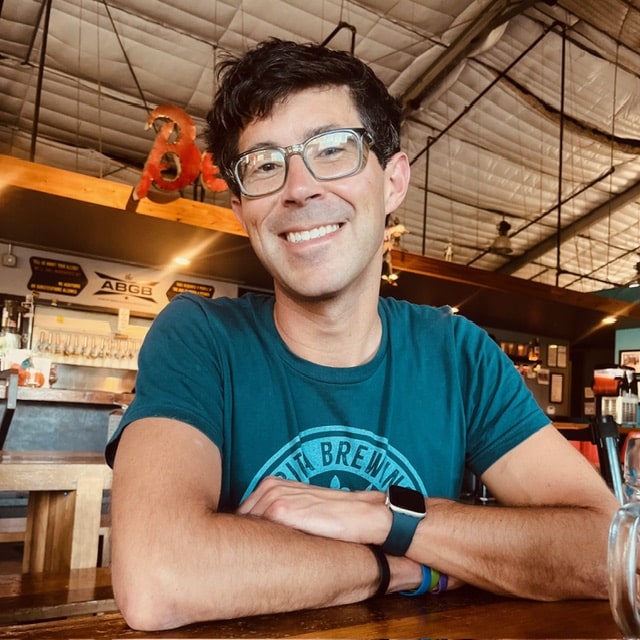 I’ve been brewing professionally since 2011 working in large regional breweries to smaller community focused brew pubs. I continue to be involved in furthering our brewing community by working and being a part of outside events and volunteering with the Texas Craft Brewers Guild. I helped start Hold Out Brewing with a small team of like minded and enthusiastic industry friends. We just celebrated 5 years at Hold Out and continue to push the boundaries with creativity, collaboration and passion.
Dusan Kwiatkowski, Head Brewer - Live Oak Brewing
 Dusan leads brewery operations, raw material supply, quality control, and branding at Live Oak Brewing Company. He was hired to work in packaging in 2008, worked all production positions, and eventually took over production operations when Head Brewer Steve Anderson left in 2012 and headed west. In 2015, Live Oak built a new facility from the ground up with improved and increased wort production, cellar capacity, building utilities, and a customer-facing taproom, biergartens, and 18 hole disc golf course. In the same year, the brewery graduated from 18 years of draft-only business into cans. Since 1997, Live Oak Brewing Co. has been brewing traditional European-style lagers in east Austin, TX.
MORE EPISODES
SEASON 7, EPISODE 3: CEREAL KILLERS, A LAGER EPISODE
PODCAST HOSTS:
HEATHER JERRED – TERRITORY MANAGER, COUNTRY MALT GROUP
BRITTANY DRENNAN – TERRITORY MANAGER, COUNTRY MALT GROUP
MATT SPRINKLE – TERRITORY MANAGER, COUNTRY MALT GROUP
PODCAST GUESTS:
Wiseacre Brewing
- Davin Bartosch
- Fabian Beller
- Sam Tomaszcuk
Live Oak Brewing
- Dusan Kwiatkowski
Hold Out Brewing
- Hayden Winkler
Epiphany Craft Malt
- Sebastian Wolfrum
Key Points From This Episode:
Lagers are honest beers. There’s nowhere to hide, no bold flavors to mask imperfections, just process, patience, and precision.
In this episode, hosts Brittany, Heather and Matt dig into what makes lagers and adjunct brewing both challenging and deeply rewarding.
This episode brings together voices from Wiseacre Brewing, Live Oak Brewing Company, Hold Out Brewing, and Epiphany Craft Malt. The conversations span flagship pilsners, collaboration lagers, potato and rice adjuncts, and the behind-the-scenes decisions that shape clean, expressive beer.
Wiseacre explains why lagers demand time and restraint. Live Oak and Hold Out reflect on their award-winning Spudweiser collaboration and how adjuncts can be both technically useful and genuinely fun. Epiphany zooms out to the raw materials, exploring craft malting, heirloom grains, and the complexity of working with rice in modern brewing.
Together, the episode paints a clear picture: adjuncts aren’t shortcuts, lagers aren’t boring, and great beer comes from understanding your ingredients as deeply as your process.
Episode Takeaways:
- Lagers reward patience, precision, and consistency
- Adjuncts like potatoes and rice serve both technical and storytelling roles
- Water chemistry and fermentation control are critical in clean styles
- Collaboration pushes creativity and accelerates learning
- Craft malting and local sourcing are shaping the future of brewing
- Not every experiment works, and that’s part of the process.
Transcript - Cereal Killers, A Lager Episode
EPISODE S.7, E.3
[CERAL KILLERS, A LAGER EPISODE]
Heather Jerred (00:11)
Welcome back to another episode of the Brew Deck podcast. I am your host, Heather. I am joined by our other amazing hosts, Brittany and Matt. Welcome, y’all. How’s it going?
Matt Sprinkle (00:21)
Hey, how you doing?
Brittany Drennan (00:21)
What’s up? Just surviving
Heather Jerred (00:23)
I have.
Brittany Drennan (00:24)
an allergy attack over here, so apologies. You know, it’s like the south is so confused. I think the trees are sprouting and then dying and yeah, it’s a
Heather Jerred (00:26)
You’re sounding a little congested.
Brittany Drennan (00:40)
Yeah, we did.
Heather Jerred (00:38)
We might have had too much fun in New Orleans at the Pink Boots Conference last week.
All right, we have a packed agenda today. So before we jump in, I just want to let everybody know if you haven’t seen it come out yet, the World Cup is coming to North America ⁓ in June, and that’s a really big deal for Taprooms. So we are doing a 2026 beer collaboration inspired by the World Cup.
Breweries have the option to choose to brew a beer from a set of five globally inspired recipes and the ingredients were all pulled from across our global
Brittany Drennan (01:11)
Participating gets you a swag box inspired by the World Cup. This includes items for your taproom, super cute, things that help make it feel like an event instead of just another release. So if you want to check out those recipes, order the ingredients and participate, please reach out to your CMG sales rep. All right, now let’s get into the
Matt Sprinkle (01:30)
In this week’s episode, are chatting with the team at Wiseacre Brewing about their SkyDog lagers, Live Oak Brewing and WhoreOut Brewing about their Spudweiser Potato Lager collab, and Sebastian from Epiphany Craft Malting.
Heather Jerred (01:43)
Let’s jump
Matt Sprinkle (01:44)
Well, hey guys, we’re back with David Fabian and Sam from Wiseacre Brewing joining us from Memphis, Tennessee. Thanks for being on the show, guys. Can you tell us a little bit a little bit about yourselves and about the brewery?
Wiseacre – Davin, Fabian, Sam (01:58)
I’m from Memphis, Tennessee. Founded Wiseacre in 2013. Been open in Memphis ever since. have two breweries here in Memphis. We’re a brewery that makes a ton of different beers. I’d like to think that we concentrate on lagers, but we make a ton of IPA as well. Yeah.
Heather Jerred (02:16)
as one does.
Wiseacre – Davin, Fabian, Sam (02:17)
And I’m Sam Tomaszuk. I am in charge of the brewing and cellaring operations here at Wiseacre. Also from Memphis, born and raised. Yeah.
I’m FalleBeller, I’m from Germany originally born and raised, moved to the US in 2013, joined the Wiseacre team in 2016 and here I’m responsible for packaging and quality control.
Brittany Drennan (02:26)
Thanks.
Polarizing answer to this question here sometimes, but do y’all like brewing lagers?
Wiseacre – Davin, Fabian, Sam (02:44)
I think we absolutely love it. It could be a challenge sometimes. They’re little finicky beasts sometimes, but I think we all love to drink lagers. So I think we take great pride in our craft and I think that that influences our willingness and desire to brew them.
but every once in while I have a soft spot brewing some heffa-wisen.
Brittany Drennan (03:02)
Solid answer.
Thank
Matt Sprinkle (03:06)
Every now and then. Yeah. So you’ve got Tiny Bomb, but you’ve also got the Skydog Loggers. What inspired the Skydog?
Heather Jerred (03:06)
wonder where that is. ⁓
Wiseacre – Davin, Fabian, Sam (03:13)
The first time we made it, it was for an outdoor music festival in Memphis. And we had been, you know, having our beers at the festival for a while and, you know, hearing some complaints that, you know, our other beers, which included at that point a Hellas and a Pilsner, were just still just too flavorful.
for the normies. So we decided to make something for the normies.
Brittany Drennan (03:37)
No.
Heather Jerred (03:42)
Amazing. So you have like a line of them. just, originally just launched with the corn lager correct? And then added in the amber and.
Wiseacre – Davin, Fabian, Sam (03:50)
The was the only one
made like that.
Yeah, we have a, we have a chillata now, which is like a lime and salt version and sky dog amber, which we just very recently started making. it’s, you know, more akin to like, like a Dos Equis amber, something like that.
Heather Jerred (04:07)
Okay, nice. So I guess, yeah, when you were making it, when you originally decided to make it for the music festival, you wanted it more along the lines of like a macro, like you said, for the normies.
Matt Sprinkle (04:07)
awesome.
Wiseacre – Davin, Fabian, Sam (04:18)
Yeah, just, you know, nice premium lager as you do. Easy to drink, low in ABV, and yeah, not whole lot of hop character, just enough to make it palatable.
Brittany Drennan (04:30)
So where did the name Skydog come from? What does it mean?
Wiseacre – Davin, Fabian, Sam (04:34)
That was ⁓ Dwayne Almond’s nickname. So my father turned my brother and I into big Almond Brothers fans. And it seemed like a name that would be easy to remember, easy to pronounce. I feel like we’ve made a lot of beers that people, we’ve named a lot of beers things that people either have trouble saying or
or just kind of complicate the matter and we were trying to think of something that was really simple that people could appreciate and that’s kind of where we landed.
Heather Jerred (05:01)
Nice.
Matt Sprinkle (05:02)
you know, this is all about adjunct lagers What inclusion of corn is in the recipe of the OG Skydog?
Wiseacre – Davin, Fabian, Sam (05:10)
Got about 25 % corn in there. The rest of the recipe is basically two row, a little bit of a acidulated malt. But yeah.
Heather Jerred (05:18)
What’s it like working with the corn? Like how do you find brewing with it? Any difficulties?
Wiseacre – Davin, Fabian, Sam (05:23)
⁓ you know, thanks to the, ⁓ the high quality brew house we have, it’s, actually been fairly easy. you know, I think we, the first batch we brewed of this beer was actually brewed at our old facility and, ⁓ it, it did not go as planned. I’ll say that. but, you have to elaborate on that. Well, all right. Yeah. So, yeah, it, we, you know, mashed it, loutered it, and then.
Heather Jerred (05:38)
No.
Brittany Drennan (05:39)
no.
Heather Jerred (05:41)
Good.
Wiseacre – Davin, Fabian, Sam (05:46)
got it through the kettle and then somehow a bird ended up in our whirlpool. And our shipper at the time, Andy, was, you know, he noticed it after finishing the whirlpool on it and he was like, should we just keep this or just trash it? And I was like, we should definitely trash it. Yeah. ⁓
Brittany Drennan (05:52)
⁓ no.
Yeah.
Matt Sprinkle (06:06)
The bird or the beer?
Brittany Drennan (06:10)
No, I love stories
like this because other breweries can relate, right? Like, I mean, maybe not to that specific animal, but you know.
Wiseacre – Davin, Fabian, Sam (06:14)
Yeah, I’m sure everyone. I was going say, don’t think anyone can.
⁓
Heather Jerred (06:21)
I’ve never heard of somebody getting a
bird in their beer
Wiseacre – Davin, Fabian, Sam (06:25)
Well.
Brittany Drennan (06:25)
I’ve
heard birds, I’ve heard bird carcasses and hops, hop bags before, so, you know.
Wiseacre – Davin, Fabian, Sam (06:31)
This is a whole dead bird. It’s still somewhat of a mystery as to whether or not the bird was dead prior to the brew or if it was killed in the process.
But all that to say, the second brew, we scrapped the original, you know, we scrapped brewing it at the original location, which is not really set up to doing adjunct lagers in the first place. And just did our first large, you know, 50 barrel batch at our newer facility. And we have the ability to serial mash there, which made it a whole lot easier and makes
really the whole process of doing adjunct lagers is much easier.
Matt Sprinkle (07:07)
Nice.
Heather Jerred (07:07)
What do you
think the corn like adds to the beer for flavor, mouthfeel?
Wiseacre – Davin, Fabian, Sam (07:13)
you definitely can taste the corn in there. It gives it, I don’t want to say sweetness, but you definitely can taste like the the typical corn flavor in it. So I think it definitely does something for the flavor. Yeah, I think it’s a nice fresh tortilla-ish kind of kind of flavor, but I think one of the real like
I think one of the hard things to do with beers like this is turn them really dry, which keeps them super drinkable, but then also find a way for there to be some body toward it’s not just a watery beer. I think that’s kind of the key. And I think, you know, we use a, I feel like we use a fairly high percentage of corn, but you know, we still end up with something that
is not just not watery to drink. ⁓
Brittany Drennan (07:56)
Yeah, so you’ve won several awards with these lagers. When you entered it, what percent chance did you think that it was gonna win?
Wiseacre – Davin, Fabian, Sam (08:08)
Zero.
Brittany Drennan (08:09)
Ha!
Heather Jerred (08:09)
of spirit.
Wiseacre – Davin, Fabian, Sam (08:10)
I
mean, you know, it’s one of those things where we all taste it and think, you know, shit, this is really good. We should send it to the competition. But you’re never like, we’re going to put it in a competition with 180 other beers and it’s going to win.
Brittany Drennan (08:18)
Solid. Yeah.
This is the best lager in the world.
Heather Jerred (08:26)
Yeah, I fucking nailed it.
Wiseacre – Davin, Fabian, Sam (08:29)
Now, I think our Oktoberfest, I basically expect it to win every single year and it never does. we did what wanted.
Heather Jerred (08:36)
Chris told
me you were very excited that you got that one.
Wiseacre – Davin, Fabian, Sam (08:41)
Yeah, we won a bronze medal
for World Beer Cup last year. ⁓ But ⁓ yeah, just generally, always, I kind of always feel like that beer should win.
Heather Jerred (08:46)
amazing!
Matt Sprinkle (08:47)
amazing.
Heather Jerred (08:53)
So that’s the one you’re sitting down and drinking in the tap room most often.
Matt Sprinkle (08:53)
Tiny Bombs won.
Wiseacre – Davin, Fabian, Sam (08:56)
Oh no, 90 % of the beer I drink is Tiny Bomb, think. Somewhere in there.
Brittany Drennan (09:01)
90. Damn.
Matt Sprinkle (09:01)
Tiny Bombs won some awards as well, right?
Wiseacre – Davin, Fabian, Sam (09:03)
Yeah, I won a bronze in 2014 at JVF and won a silver this year at JVF.
Matt Sprinkle (09:10)
Yeah, that’s awesome.
Heather Jerred (09:11)
Mm-hmm.
Wiseacre – Davin, Fabian, Sam (09:11)
That’s why I was boosting that
you’re best in the southeast garbage.
Matt Sprinkle (09:14)
know there are several people in the southeast that tried to emulate Tiny Bomb. They’ve told me.
Heather Jerred (09:20)
Wrinkle, you’re just gonna get yourself in trouble.
Brittany Drennan (09:22)
Jesus,
Matt Sprinkle (09:22)
I’m
Brittany Drennan (09:23)
yeah,
Matt Sprinkle (09:23)
not naming names.
Wiseacre – Davin, Fabian, Sam (09:23)
Hahaha!
Brittany Drennan (09:23)
where is your shovel? Your shovel? mean…
Wiseacre – Davin, Fabian, Sam (09:26)
Uh, well, you know, I, I always get a kick out of that beer to you, whenever it wins, because I feel like so many people brew to competition and they like make beers that are, you know, a little bit, uh, a little bit higher gravity, a little bit higher ABV, a couple more IBUs, like just trying to like, you know, put something out there that really is a little bit further than everyone else’s at the judging table. Uh, so I feel like for us to be a little.
pull a silver medal in another gigantic 180 beer category and to do it with a four and a half percent alcohol beer is also bananas. Just because it’s for sure lighter than everything else on the table. I mean, cause that’s, that was the original idea behind that beer is to make something with tons of flavor, but that is still basically light beer.
Brittany Drennan (10:14)
What advice would you give to other brewers out there when it comes to brewing adjunct lagers?
Wiseacre – Davin, Fabian, Sam (10:20)
That’s a tough one. think, know, largely for us, the equipment is a big key component of all of this. think outside of that, our water is just well-suited to brewing lagers.
You know, we have pretty soft water in Memphis that comes out of artesian wells deep below ground. So we don’t really have to add a whole lot. And we definitely don’t have to take anything out, which is a really key component to the success of these lagers, I think. And outside of that, it’s just being able to do cereal mashes. And I think you can probably
get close to it with things like flaked corn, but I think for us using the raw corn grits has impacted the flavor in a much more positive
Heather Jerred (11:07)
you worked with any other like have you guys done rice lagers or on your like we said we met somebody that did a potato lager anything like that?
Wiseacre – Davin, Fabian, Sam (11:14)
Yeah, we have done a rice lager before. For whatever reason, it just wasn’t quite as popular. But it was very similar. And I think that we actually did the rice lager before. So we already had a little bit of knowledge about how the rice performed. And I think that they perform in similar ways in our brewerhouse. So it was really kind of a straightforward transition to doing that.
We made a popcorn lager once too. ⁓
Heather Jerred (11:40)
Really?
Matt Sprinkle (11:42)
with actual popcorn.
Heather Jerred (11:45)
When did you add it?
Wiseacre – Davin, Fabian, Sam (11:46)
just goes in the mash. I mean, you know, like if you just put a piece of like air pop popcorn in your mouth, you know, like the enzymes in your saliva just turn popcorn into sugar and yeah, it’s basically the same thing. I mean, you can put like four truckloads of popcorn in a 20 barrel mash time because it all just dissolves as soon as it hits the mash.
Heather Jerred (11:47)
Just, okay.
Mush? Yeah.
Well, I have to ask about it. Cause like I said, Chris sent me the episode. You guys were on diners, drive-ins and dives a while back. Tell us a little bit about that. How did that happen for one? And what was the experience like?
Wiseacre – Davin, Fabian, Sam (12:12)
Right. Yeah.
Uh, they found us. They sent us an email, which, um, I immediately threw in the trash because I was like, there’s no way this is real. Uh, and then they sent us another one and I was like, I don’t know who these people are. Uh, but it was, was actually, it was, was a production company. Yeah, it was guy. was a production company that, that does the
Brittany Drennan (12:33)
You’re like unless it comes from Guy Fieri directly.
Wiseacre – Davin, Fabian, Sam (12:39)
set it up and, um,
You know, they shoot for two days. like, basically they shut down our tap room for two days and…
had Guy Fieri and a bunch of other people in here. Yeah, it was a big scene. It was funny.
Brittany Drennan (12:53)
geez, I’m obsessed. Brickle. Brickle has a picture with him.
Heather Jerred (12:54)
come on, sprinkle.
Matt Sprinkle (12:57)
I got to meet him last night at a liquor store
in Asheville. He was promoting his tequila brand.
Brittany Drennan (13:02)
He looks
so disappointed in this picture, Spinkle. I really don’t know if you should be passing it around, honestly.
Wiseacre – Davin, Fabian, Sam (13:09)
Amazing.
Heather Jerred (13:10)
So you use, excuse me. So you use wort in the pizza dough, correct?
Brittany Drennan (13:10)
Did you guys have like a ⁓ sorry.
Wiseacre – Davin, Fabian, Sam (13:16)
Yeah, there’s work in the pizza dough and the pretzels.
Heather Jerred (13:20)
Is that just whatever is being made that day? They’re like, we’ll use that word.
Wiseacre – Davin, Fabian, Sam (13:22)
Yeah, it just
kind of depends on their need. Usually we tend towards the, it’s usually tiny bomb work. And we take the first work runnings on it, so the trigger content’s relatively high.
Heather Jerred (13:34)
Triggers are high.
Yeah.
Cool.
Brittany Drennan (13:36)
I was just going to ask if you had like a massive ⁓ watch party.
Wiseacre – Davin, Fabian, Sam (13:36)
It’s never stopped there.
It’s never stout. Sometimes it’s Oktoberfest. We usually do Oktoberfest when, you know, the Oktoberfest pretzels, you can always tell when they use the Oktoberfest word because they’re just, I don’t know, it’s superior. It’s the best pretzel. Yeah.
Brittany Drennan (13:54)
Interesting.
Heather Jerred (13:54)
the stout would
make it I feel like the stout would make a really good press song I also yeah
Wiseacre – Davin, Fabian, Sam (13:57)
They look weird. Yeah.
Matt Sprinkle (14:00)
we can get a little technical. I mean, I was going to ask about enzymes if you guys want to talk about that.
Heather Jerred (14:02)
Mm-hmm.
Wiseacre – Davin, Fabian, Sam (14:05)
so I guess I can sort of walk you through our cereal mash basically. We usually mash in around 150, I think it’s 152. We do a little bit of two row and then all the corn grits. So there’s a little bit of enzymic activity happening there before we step up to boiling temps. And we boil the corn for about 20 minutes or so. And that’s where it gets
kind of tricky sometimes and that’s mainly just because, you we have to pretty rapidly cool that boil down just to preserve all the enzymatic activity in the main mash. We’ve definitely had issues sometimes with our brew house where, you know, if the brewer wasn’t paying attention, wasn’t, you know, manually adjusting the temperature controls, they’d mash it in one or two degrees higher than what they’re supposed to. And it definitely, you know, the…
affected the fermentability and those beers finished a little bit higher than they normally would. But yeah, I think we usually settle on a main mash temp around 148 and that just sort of increases that fermentability. It’s right in that overlap of beta and alpha-analyze and sort of helps us get that very, very dry finish that David was talking about earlier.
Brittany Drennan (15:15)
Are you using the same yeast strain for all the lagers in the series?
Wiseacre – Davin, Fabian, Sam (15:20)
Yes.
Yeah, which we, you know, use an alga-scener type lager strain.
these beers have pretty nutrient deficient words. So I think that if you’re potentially trying to brew one of these types of beers, then you just wanna make sure that you are in some way amending the nutrients. We usually just.
increase our yeast nutrient a little bit more than we would compared, you know, relative to our other lagers. And that just kind of ensures that we get good fermentation results.
Matt Sprinkle (15:48)
Have you guys ever messed around with adding enzymes hot side or cold side to any of your beers?
Wiseacre – Davin, Fabian, Sam (15:54)
Yeah, we definitely have before. And each time I think that we’ve done that, it hasn’t really yielded the results that we wanted. You know, I think that before, you know, we mentioned to Rusu the rice lager we used to brew. actually used to brew that at our old facility and we added some amylase enzyme into the mash and we just used flaked rice with that.
It just was never quite as good as what we’ve achieved at our facility here, just targeting the natural enzymes present within the
also used it on the cold side. I think that the time that we did that, we ended up with like a 0.2, you know.
Yeah, it was like a negative finishing gravity. was unreal.
Matt Sprinkle (16:42)
Was that a glucoamylase?
Wiseacre – Davin, Fabian, Sam (16:44)
I think it was also like a milo 300 or something like that. I don’t know exactly what that is, but I think it’s just an amylase enzyme, alpha
Matt Sprinkle (16:52)
Yeah, the Amilo 300 is actually a, it’s a, ⁓ Glukoamylase. So those are, those will, will take your beer sub zero if you let it. It’s also one of those that you really want to treat as almost like a bacteria. Like you’re really going to want to heat, heat treat that tank to denature that enzyme or it’ll, it’ll keep going in your next few years.
Wiseacre – Davin, Fabian, Sam (17:11)
Yeah.
It’s just a really expensive experiment.
Brittany Drennan (17:14)
would say
not a lot of room
of hide behind ingredients in a lager. And I think speaking to the quality of malt used is probably really important as well, because that comes
Wiseacre – Davin, Fabian, Sam (17:30)
like having a well-defined understanding of where you want this beer to go amongst all of the people that are touching it is really important.
⁓ we try to taste beers a lot, even if it’s just informally, but, you know, there’s, there’s no way that, you, you, there’s no way to like execute vision or like have the beer turn out the way that, is ideal without everybody understanding what ideal is, you know? So I think,
especially in our case, you’ve probably got, you know, 23 people that have touched the beer at some point or another. So it’s just really vital that everybody understand what the goal
always something to learn to do better. And I think that that is what drives.
especially the three of us, like we’re constantly tweaking our beers, even the ones that have won
Now we think the key ingredient in good lagers is time.
Brittany Drennan (18:27)
is true.
Wiseacre – Davin, Fabian, Sam (18:27)
Go ahead,
Charm. Don’t skip the diastole rest.
Heather Jerred (18:31)
Excellent advice.
Matt Sprinkle (18:32)
You guys spunting?
Wiseacre – Davin, Fabian, Sam (18:33)
That’s a solid question. Yes, but not lagers. I know it sounds strange.
Matt Sprinkle (18:37)
Weird.
It does sound strange.
Heather Jerred (18:39)
It is a bit odd.
Wiseacre – Davin, Fabian, Sam (18:40)
yeah. And, know, we’ve only really started experimenting with this in the last year, but, we, we just, you know, being a production brewery, we obviously rely on, on yeast and being able to harvest yeast and stuff like that. And at least with our lager strain, we found that, ⁓ putting the beers under pressure really, really stresses those yeast out. so we were just seeing our viabilities
we just kind of like, well, you know.
get a little bit of this CO2 captured, but it just, it wasn’t really worth
But we’re still kind of playing with it and we still might figure it out at some point, but. It might make better beer too. It just fucks up the rest of the process. Yeah. Yeah. You can bleep that out. Yeah, I will agree. think it ⁓ probably makes a better beer. And I think the one-off
Brittany Drennan (19:13)
Thank
Matt Sprinkle (19:21)
Sure.
Heather Jerred (19:24)
No it can’t.
Wiseacre – Davin, Fabian, Sam (19:29)
Couple versions that we’ve had that were spooned, I think turned out really well. It’s just, again, we haven’t really found the balance yet of both Schpooning our lagers as well as maintaining our yeast supply. So we’ll get there eventually.
Matt Sprinkle (19:44)
With all the lagers that you guys make, do all of them have the same fermentation schedule?
Wiseacre – Davin, Fabian, Sam (19:48)
No, the sky dogs in particular, we ferment a little bit colder actually, which is somewhat of a risk, I think, just because it’s already an adjunct lager and we’re pushing the temps down even further. So just more potential trouble for the yeast. But so far at least the results have turned out really well for us.
But outside of that, are typically, know, main fermentation temperature aside, everything else is relatively
Matt Sprinkle (20:13)
Well guys,
thank you so much for joining us.
You all make great beer and thank you for sharing some of your knowledge with us today.
Heather Jerred (20:20)
Yeah, we really appreciate it.
Brittany Drennan (20:20)
Appreciate y’all.
Thank you. ⁓
Wiseacre – Davin, Fabian, Sam (20:21)
Thank you. Thanks.
Thank you.
Heather Jerred (20:24)
All right, we are now joined by Doosan Kwiatkowski. Did I do that right?
and Hayden Winkler, both brewers out of Texas to talk about their collab brew, Spudweiser Potato Logger. But before we jump in to talk about the brew, can you guys introduce yourselves a little bit, talk about how you got into the brewing industry and tell us a little bit about your breweries?
Hayden Winkler (20:46)
Sure. So Hayden, I’m with Hold Out Brewing. We’re in downtown Austin, Texas. Just had our fifth anniversary. I got into brewing just like many others, just home brewing with my dad mainly in college. Just found a good passion and something that we both enjoyed to do together and went on with that. Didn’t know what to do in college. Was all over the board and kept volunteering and volunteering and volunteering and.
Heather Jerred (20:47)
Who wants to go first?
Hayden Winkler (21:10)
Finally someone hired me. So, and here I am. Holdout’s a brewery that built with a bunch of like-minded people in the industry just trying to preserve, you know, what Austin is and still keep it small and genuinely for the neighborhood and the feel of what we think this place ⁓ should be known for. So that’s basically what Holdout is. It’s just a great place to hang and good vibes all around.
Brittany Drennan (21:18)
Thanks.
Dusan Kwiatkowski (21:32)
Yeah, I’m Deuxon. I work for Live Oak Brewing. We’ve been around for a while. I think it’ll be 29 years in April of this year. We focus on European style lagers and ale. We make primarily by volume or half a bites and then anything else but check, pills.
Probably coming in second and then lager seasonals, Oktoberfest and we have Big Barker Amber Lager and we make various lager variants for the tap room. We have 10 faucets on the wall in there so we have mostly just a few beers and distro but we make more for those who want to come visit the tap room and then we have an 18 hole disc golf course also. So we got a
Heather Jerred (22:17)
I was just going to ask that you
mentioned that when we were talking before we were going hit record, you have a disc golf course.
Dusan Kwiatkowski (22:23)
Yeah, we make a cold IPA that we pretty much always have on tap for disc golfers called Deathputt. yeah, and then one of the variants that we decided to make, I guess we made it first over at Holdout, but we’ve each done it each year and it’s been like.
Brittany Drennan (22:29)
Thank
Dusan Kwiatkowski (22:39)
Five years or something? When did we first make it? Was it longer than that?
Hayden Winkler (22:42)
I mean, it’s definitely been one of those beers that every year we’re continually working together on. So the collaboration as part of is really big. We usually do it for ⁓ Super Bowl mainly. That was like the first lame party, you know. So…
Dusan Kwiatkowski (22:49)
You guys usually would do it for the Super Bowl.
And then we have,
we would do it in the fall, was kind of our window for it, but we kind of, yeah, it sells kind of faster and faster every batch we make. we’re kind of increasing frequency. We might even make three this year. I don’t know. We’ll see. But yeah, our next batch is coming out in two weeks. So it’ll be on the wall for a couple months this spring. So.
Anybody who wants to try it first hand, it will be available.
Heather Jerred (23:23)
So how did making a
potato lager kind of come about?
Dusan Kwiatkowski (23:29)
Well, I think we’ve been making corn adjunct beers for a little while. We started making early American style pills over here in 2017 and then 2019 we made a seasonal and packaged it in cans and at that point it was a decent amount of volume and we’re going through a good amount of brewer’s grits and then I don’t know maybe
Four or five years ago, Greg Casey, the retired brewmaster beer historian, came out with a bunch of early American lager and German, early German lager and adjunct lager papers. And he’s, I think, in the process of releasing them with a lot of expanded info into some books. think the first two are out now.
But it goes over like just how much potatoes and well, rice and corn mainly, but other adjuncts in the German and American brewing history. And we decided to give it a try.
Hayden Winkler (24:31)
Yeah, I’m pretty sure that was like four years ago.
Brittany Drennan (24:33)
Is it a specific type of potato that you use?
Hayden Winkler (24:36)
Well, right now we’ve kind of transitioned into potato starch, mainly in the mash. Originally…
Brittany Drennan (24:43)
That was going to be my next question.
Dusan Kwiatkowski (24:43)
I’m guessing it’s like russet starch. I don’t
know exactly actually what type with the variety of potato in the starch. assuming it’s like russet. ⁓
Brittany Drennan (24:50)
But you started with whole
potatoes and you moved to a starch.
Dusan Kwiatkowski (24:54)
We started with instant mashed potatoes and then we also riced some potatoes. I think there was like, didn’t we rice like two giant trays of potatoes?
Hayden Winkler (24:55)
Medley.
Brittany Drennan (24:57)
Yes.
Heather Jerred (24:58)
you
Hayden Winkler (25:02)
And then you shave potatoes
as well for a shooter. It’s a lot of potatoes.
Brittany Drennan (25:07)
You
Heather Jerred (25:07)
There’s a lot of trial and error in
the potato.
Dusan Kwiatkowski (25:09)
Yeah, and then we got wise to the, I mean, all the papers mentioned potato starch, but finding like
50 pound bags of potato starch for like a decent price is kind of it took a little bit of looking so I think by this time we brewed the second batch we secured a couple 50 pound bags of potato starch and then there’s a great book it’s like a it’s kind of a little book but it’s a the VLB Berlin processing of various adjuncts in beer production and it talks about just
all the stuff you can use in beer and what people did use in beer. so we’re like cassava is a big one, potatoes is a big one, know, beet sugar. So we haven’t gone down that far yet, but yeah, potatoes, cause you can make a mascot out of the potato, which we did. So justified making the beer.
Hayden Winkler (25:46)
you
Heather Jerred (25:54)
And you did.
Would you decide to do the beet one? Can you let me know? I like beets and I feel like that would be a really pretty beer.
Dusan Kwiatkowski (26:02)
Yeah, I know. Sure.
Heather Jerred (26:04)
So we were talking a little bit before about the potato starch flour. like best of my knowledge, that product is a thickener. It is used as a gluten free option for thickening. So how did it operate in the brewing process?
Dusan Kwiatkowski (26:19)
⁓
Hayden Winkler (26:20)
The first time I guess I’ll start on that one. First time we transitioned into the potato starch. We had the mindset that we should hydrate it first, which I definitely 100 % don’t recommend. Basically we ended up with about 15 five gallon buckets full of the thickest.
Brittany Drennan (26:29)
Yes, please.
Hayden Winkler (26:43)
like pasty glue, for lack of a better word, that you would ever see in your life. And it was a disaster. It still worked in the end, but we kind of gave up, didn’t even use the whole 50 pound bag, because for our scale, we’re 10 hectoliters, so one 50 pound bag is about, for our grist, is probably about like 12, 13%. And so,
Heather Jerred (26:45)
Mm-hmm.
Hayden Winkler (27:07)
Yeah, we just ended up giving up and throwing the rest in the mash and it dissolved instantly and pretty darn well. And from then on, even though it is a thickener, very lightly sprinkling it in with the mash gives us pretty good results. And I think that’s kind of what you’re doing, right?
Heather Jerred (27:21)
Okay.
Dusan Kwiatkowski (27:21)
Yeah, I mean, our
Yeah, we have a mash mixing vessel separate from the latter ton, so I think we’re able to mix it in the mash maybe just a little more vigorously. yeah, at 65C, the starch is converted to sugars, and so you’re just kind of dumping in the starch. It’s mixed in quite easily, converts, I don’t know, five or 10 minutes.
basically sugar and then heat it up for the
alpha and then yeah you’re just it’s just a short step at 65 otherwise it’s really easy to do.
Heather Jerred (27:59)
So what is the inclusion rate? Like how much are you using of that?
Dusan Kwiatkowski (28:03)
15 % of the fermentables.
Hayden Winkler (28:06)
Yeah, we’re at about 13. I just looked back at it.
Heather Jerred (28:09)
I’m not using anything else other than just like a bass malt or…
specialty.
Dusan Kwiatkowski (28:13)
Bud Riser is just.
Heather Jerred (28:14)
Mm-hmm.
Hayden Winkler (28:15)
but then chest pills after that.
Dusan Kwiatkowski (28:16)
Yeah, just pulse.
Heather Jerred (28:17)
And what would you say that it like adds to the beer? What kind of flavor does it add? Does it give it a more of a mouth feel?
Dusan Kwiatkowski (28:23)
Yeah, it just kind of, you know, zips it up a little bit. not, it’s, it lightens it just because the flavor of the potato is very, it’s very low. It’s not a, you’re not really tasting potatoes. You’re more just kind of like, yeah, it’s just showcasing what the, the Pills malt kind of lightening it up a little bit.
Hayden Winkler (28:40)
Yeah, zip’s a good word. It’s like the potato surfing on the logo.
Heather Jerred (28:44)
Well, you brought up the logo because I I love that artwork so, much and then it was a little surprise that you actually designed it yourself.
Dusan Kwiatkowski (28:51)
Yeah, well, before I did beer, did some, worked for an ad, small ad group doing graphic design and illustration and stuff. And I still do that. A little bit for Live Oak for our like taproom only beers and then fun projects like this or other little projects I’ll do from time to time. It’s a fun outlet. you know, getting to make a beer label for a fun potato surfing beers like.
Heather Jerred (29:14)
People can’t obviously see it because this is podcast. I highly recommend looking it up, but it is a potato surfing on a Pringles chip. So good. And here’s a shirt. And is this cowboy hat also made of potato? Because it looks a little potato-esque.
Dusan Kwiatkowski (29:14)
Hell yeah.
Yeah, the hat flying off is the little potato chip cowboy hat, yes.
Heather Jerred (29:32)
I love it. It’s amazing. All right, so you named it Spudwiser. Have you had a cease and desist yet?
Hayden Winkler (29:34)
Thanks.
Surprisingly, no.
Dusan Kwiatkowski (29:41)
No, we’re still waiting on that.
Heather Jerred (29:42)
Yeah, that’s crazy.
It’s hard to Google it to like find out a little bit more about it because Google just kept thinking I was misspelling Budweiser. But yeah, it’s like I’m surprised you’ve gotten along got away with it for that long. That’s pretty awesome.
Hayden Winkler (29:54)
It’s a, I don’t know, the other thing I think the potatoes add to the beer is just a story. Everybody loves talking about it. And it creates some really fun hype and it’s definitely a very unique thing, at least in our region. So I don’t know how many people are making potato beers, but.
Heather Jerred (30:00)
Mm-hmm
That’s true.
I don’t think I’ve ever seen anybody else making a potato beer.
Dusan Kwiatkowski (30:16)
There used
to be, yes, and some of the stats that Greg Casey has in some of his papers, there’s like one that jumped out. mean, a big, there was the need for other adjuncts, like right after World War II. And there’s this one stat, let’s see, 12.8 million pounds of potatoes were used in beer production in 1945. So it was…
Heather Jerred (30:40)
crazy.
Dusan Kwiatkowski (30:42)
Yeah, right. mean, barley, rice, corn were needed for food and I guess potatoes. There’s enough. There’s enough potatoes. Seems like a lot, but.
Heather Jerred (30:49)
Crazy. That’s
a lot of potatoes.
Hayden Winkler (30:51)
Seems like quite a bit. Yeah,
that’s crazy.
Dusan Kwiatkowski (30:54)
And the Germans were using them for making beer too. They did a lot of rice adjunct because that was more abundant over there, then corn, and then also potatoes after they made their way over there.
Heather Jerred (31:05)
So you’ve talked about, you say you brew a lot of lagers and you’ve done a lot of adjunct lagers. Any advice that you would have? More rice? Yeah.
Dusan Kwiatkowski (31:13)
Corn and rice are the…
Corn and rice mostly
corn a little bit of rice and then I Maybe more potatoes than rice actually at this point with all the batches of spotaways are totaled up
Heather Jerred (31:25)
Do you any advice for brewers that want to make more adjunct lagers? Like working with any of the ingredients, things that you kind of wish you knew right off the bat.
Dusan Kwiatkowski (31:33)
I think the trickiest thing is just like the water getting your water set because the hydration of like the grits and The potatoes like they take they do take you need to factor in a little more water but and then I mean we use the grits and You have to you know, we do a cereal mash and then cool it down a little bit and then do our step mash on top of that so But we’re able to do that with our
mash mixing vessel it might be a little tricky to do corn mashes, corn grits mashes if you’re moving it around in the louder time depending on the equipment but
Hayden Winkler (32:05)
Yeah, or even trying to do that in a separate vessel could get pretty nasty and then move it over into your mashdown.
Dusan Kwiatkowski (32:10)
Yeah, they’re all thickeners at the beginning. It’s kind of tricky.
Heather Jerred (32:14)
you
Hayden Winkler (32:16)
They sure smell good though.
those corns.
Heather Jerred (32:19)
Corn does smell really good in the brew house.
Hayden Winkler (32:22)
Makes me think of tortillas.
Heather Jerred (32:23)
Okay, so he said if you brew this beer twice a year, you might do a third. How quickly does it sell out?
Brittany Drennan (32:24)
you
Dusan Kwiatkowski (32:30)
You guys might move through your batches a little bit more than we do. We have a decent amount of taproom traffic, but Spudweiser doesn’t go into our distro. I mean, maybe a little bit does. It’s mostly on site, so it’ll be around for two or three months, probably for that. We make like a 20-barrel batch on our 60-barrel cooker for the taproom beers.
Hayden Winkler (32:57)
Yeah, I mean, we’re generally filtering ours around week eight or so, right about. yeah, it doesn’t last too long, maybe a month total.
Heather Jerred (33:05)
And you guys won a bronze at GABF with it.
Brittany Drennan (33:05)
you
Heather Jerred (33:08)
Yeah, is that surprising or?
Dusan Kwiatkowski (33:10)
I mean we don’t normally win that much stuff at GABF for whatever reason so
Hayden Winkler (33:15)
It was the first award too. So everyone had literally just sat down, got everything together. And then it was kind of like a mind blowing situation.
Heather Jerred (33:25)
Yeah.
Dusan Kwiatkowski (33:26)
But I wasn’t surprised that SpudWeiser or won it.
Hayden Winkler (33:29)
Yeah.
Heather Jerred (33:29)
You’re just surprised that you won something.
Hayden Winkler (33:31)
It was a beautiful moment, I think for all of us.
Heather Jerred (33:35)
It’s awesome.
Well, I don’t actually think I have anything else ⁓ except is there anything coming up at the breweries that you guys want to talk about? Anything you want to promo? Any events or fun new releases coming down the pipe that you would want people to know
Hayden Winkler (33:36)
but.
Dusan Kwiatkowski (33:36)
Sorry, Brittany.
We got our 29th anniversary party on
April 18th? Whatever that third Saturday is in April. And then Spudweiser will be on tap and then we’re releasing a new seasonal, which is a new beer for us. It’s a corn adjunct Mexican style dark lager that we’ll be doing in March when having a release.
sometime the first week of March, but.
Heather Jerred (34:07)
Nice, and you guys do a Rauschfest as well?
Brittany Drennan (34:10)
I was gonna say, you talk about your smoked beer? Cause that beer’s awesome.
Dusan Kwiatkowski (34:11)
We dozen.
Yeah, we just did that on Saturday. have our annual Rockfest in January when there’s, you know, less
stuff going on and we can do a smoke beer festival and people can show up and drink smoke
Heather Jerred (34:27)
Awesome. I won’t take up any more of your guys’
Hayden Winkler (34:29)
Thank you, thank you very much.
Matt Sprinkle (34:31)
Up next, are joined by Sebastian Wolfram from Epiphany Craft Malt. Hey, Sebastian, how are you doing?
Sebastian Wolfrum (34:38)
Good, Matt. Good to see you.
Matt Sprinkle (34:40)
wanna tell us a little bit about your background first and how you got here?
Sebastian Wolfrum (34:45)
Yeah, sure. I always say I’m a typical southerner. I’m not from around here because lots of people are moving in. That’s true for me as well. So I grew up outside of Munich, a small, small town, and started brewing back then over there in 97, a long time ago. And then through life situations, in this case, meeting my wife, it ended up
pulling me over here to the US. And then when I got here, this was 2005, 2006, I discovered that there’s this whole fun little exciting craft beer
easily found a home and started being a brewmaster here for one of the…
Breweries in North Carolina at the time. They were only 22, so it was early start for North
early on, before I really jumped into ⁓ Epiphany, as a brewer still then, I helped open and start the…
The North Carolina Craft Brewer’s Guild was the treasurer for good while. was
Brittany Drennan (35:46)
So what made you want to open a malting company?
Sebastian Wolfrum (35:50)
So there are two things that went sort side by side. ⁓ One was that after six, seven years of leading a brewery, but not really being in charge in the sense, I didn’t own any of
caught myself not
being as excited, I have to admit as a German, right, it will come to you once I say it, that I wasn’t as excited to figure out how much hops I can get into my beers, right? And so I quickly felt like, maybe I should focus on things that were exciting to me. so making a product from local ingredients was something that had already been happening,
with craft beer, farmers markets, eating fancy chocolate, whatever else came
it. All these things kind of all came together. so tying this in with a local production was sort of important to me
And then the second piece that kind of came in, and I don’t want to really necessarily say something
negative about the craft malters who had been around, but as this got going early on, the products were challenged. Obviously everybody was trying to get going, trying to figure it out. In our region, was one malting operation that was primarily malting for distilled products, so whiskeys. The malt that came out was really not for brewing, but nobody explained that and knew about it. So was lot of
misconceptions. And so it’s part of me ⁓ planning and thinking about opening a malting operation. It was all about buying serious equipment, setting it up so that I can make malt like, well, via Mondas or raw malting or Canada malting, right? Any of the big players that are in the market who are… ⁓
Yeah, malting in a way that everybody expects the malt to work. And so that was the concept to lift craft malt onto an even level field.
Matt Sprinkle (37:47)
Yeah, it’s been fun to watch you grow at Epiphany. And some of the best, some of the best fest beers I’ve had have been with your malt
Speaking of craft, you get most of your stuff pretty regionally, How far is that radius that you source your ingredients?
Sebastian Wolfrum (38:02)
Yeah
So probably 150 miles, maybe 200, right? So the farthest we’ve gotten it here in the US has been Tennessee on the way to
don’t want them all clustered in one distinct little corner. If something happens, it’s most likely what happened to all of your acreage. And so we have it spread out a little bit. then,
so that’s where most of our grain comes from. That’s North Carolina and Virginia is really, those are the two states.
Brittany Drennan (38:36)
we’re here to talk about
obviously we know rice exists, know rice lagers exist, but what made you specifically want to even start exploring rice as an option?
Sebastian Wolfrum (38:51)
Yeah, so our perspective as a small regional malster is to use whatever has grown in our area here and turn it into something that Brewers want.
sounds weirdly generic, but that’s really how we’ve
we early on started making malts from these other grains where we knew we have the capabilities and the craft brewers in particular are very exploratory and kind of interested in new ingredients, new processes. So we’ve had a whole run with buckwheat for a while. And so when we talk about adjuncts, those are still adjuncts, right? Rice too, we’ll get to that in a minute.
Heather Jerred (39:28)
Yeah.
Sebastian Wolfrum (39:30)
Once you malt them, they’re still of functional and they have a more interesting flavor profile due to the transformation and the drying step, that all helps. And some of those, we have a roaster as well. And so some of these small batch specialty grains, we basically dry down in the roaster so we can drive some further toasting flavors into things. So that’s how we got into it.
Our focus is really on what can we malt and make products off that you can buy from the larger malting operations. There’s good malt out there and also at a good price. so this is really not our forte is that we are much more nimble, we can do all sorts of decisions as we go.
make things that nobody else can make and kind of bring that to the table. And so out of that, we got involved in malting all these heirloom corn varieties. And then one of the farmers, the one on the coast, he all of a sudden was like, hey, we’re growing this rice now. And I was like, wow, how is that possible? That rice is grown here on the coast, right? seemed like, mean, Arkansas is not that far away, but it still seemed like a very interesting.
as a concept. so it turns out the first rice that came to the S was grown out here on the coast outside of Charleston and then further up. so they were kind of bringing this back, this group. They had these ponds they were using for duck hunting. We don’t need to get into that, but that’s how they basically started growing, you know,
small grains that like to be under or in water, hence the rice. And so that’s how this kind of came about. There was essentially rice here
Malt, as you all know, barley malted is very functional, has lots of enzymes, really goes through an entire conversion and then is really helpful in the brewing process. Wheat kind of still does that, but then we quickly lose overall enzyme activity and some other features. Not all these grains have all these different enzymes that barley has. So barley is really, from a functional perspective, the only good one to use.
Hence, we’re all using it, obviously, to make beer. But all these other grains bring interesting flavor profiles. And so that’s why we started picking not just yellow dent corn, but actually these heirloom varieties. So we’re doing Oaxacan, green corn, the sort of yellowish orange, Tuxpeño, Bloody Butcher, or Jimmy Red, depending on.
on what people call it around here
Brittany Drennan (42:07)
we obviously know what the growing season is for our barley. Is that different for rice and the adjuncts that you’re using?
Sebastian Wolfrum (42:14)
Yeah, it is the same for most of the adjuncts we’re using, is the same growing period. It’s even here, right? The rice likes it hot and warm. The corn does okay. It can be too hot sometimes even here. So those grow over the normal spring over the summer ⁓ season. what we in majority are using, right? The barley and the wheat, rye.
⁓ Some of those, they all grow over winter. those are really, they don’t like, they can’t make it through the summer here, it’s too warm in the southeast.
they get planted in October and then come out in May. And so they basically go into rotation, right? Corn comes after that or the rice would get planted at that point. And yeah, and so that’s sort of the off cycle.
Matt Sprinkle (43:00)
know, we’ve seen the Japanese rice lagers and last week I even saw a Pakistani lager, which I’m assuming is with Basmati rice. Yeah. Can you tell us a little bit about some of the varietals that you’re sourcing locally?
Sebastian Wolfrum (43:08)
Alright, sure.
so we’ve been making all these more traditional grains and then we got into the corn and the rice and for a long time this was really just to add flavors. These old varieties have more flavor because they have more of these sort oils and compounds that
that the modern grains no longer have as much. And so that naturally kind of played into our hands. But then in the last three years, really, more and more, brewers talk about, what can we actually look for alternatives to barley that still come with a similar functionality? And so we got approached to really look into malting rice in a more focused,
approach. We were just malting it to break up the kernel, make it accessible for a standard brewing process, but now the focus is on a variety of things, but primarily also that rice can be used just like barley would. Same milling equipment, same loutering equipment that you don’t really need to have a whole second stream if you start making using more of rice for
And so that led us to a whole new product. As you all know, rice is really flimsy and small, especially the stuff we eat. Because you have to cook it, it has to have a certain… And so the plumper and the rounder and the bigger they are, these rice kernels, the better they are for the brewer, for the brewing process, as you can imagine, because barley is pretty big and plump.
for the food side on the rice and it’s not necessarily ideal. And so we’ve been starting to look because the gold rice that’s grown right around here on the coast of North Carolina is that food focused forward, right? And so it is really thin, it’s still hard to mill even when it’s malted. And so we got into ⁓ a sake variety ⁓ that I connected to the currently is grown ⁓
⁓ at a farmer who supplies this kind of specialty rice in Arkansas. So this is a sort of a new and emerging product that we’re working with. the benefit there is that because it’s used for the sake process primarily, it’s not for food, it has a very different gelatinization temperature. So now we’re getting really technical maybe, but.
We all as brewers, everybody knows that once you hit 155 degrees, everything has liquefied and viscosity is low and you get your conversions and whatever. so with rice, that is obviously a challenge. And so if you malt the rice, which we have, any variety, we kind of manage that a little bit so you don’t have to boil it to get to the starches. But some rice varieties actually
have some similar features as Bali has in terms of lower gelatinization temperature. You don’t have to cook it, you actually just have to mash it with your standard protocol in the brewery. ⁓ We’ve just gotten a couple loads in and we’ve been running our initial tests here and we’re malting this plumper.
not food rise essentially is really what’s been happening. And that’s been pretty promising though. We’ve had a few successes already with some people trying it. And so that’s sort of a new frauds, why we’re seeking alternative, really like malted products that make sense to us and then hopefully make sense to everybody else to pursue. And so this is one that I think has
It’s a real fun alternative to start adding to your
Heather Jerred (46:43)
That’s really cool. Can we talk a little bit maybe in comparison to malting with barley? What differences you see when you’re malting with rice?
Sebastian Wolfrum (46:52)
Sure. So, malting with barley in our case also, even though it’s winter grain, that’s the only unique piece that we have around here to maybe anybody else malting here in North America.
It goes like you would expect in the textbook. We do an initial steep, in our case we then transfer and then make the final adjustments over the second day in our germination box. Most other commercial molesters often have a second steep and then off you go and you get to your 42-45 % and
Heather Jerred (47:24)
So you are only doing a single steep for it?
Sebastian Wolfrum (47:26)
Yeah,
so because we have these water features in our germination box, we decided to keep a simple steep or build essentially a simple two steep tanks. So we don’t need the drain bowl, we don’t need CO2 evacuation, all these features that you need to build in. And around here over the summer, it’s so warm, we really would need extra cooling. And so the germination box has cooling.
the steep tank, would need to build a whole separate system. at the time we’re like, why are we trying to… And the initial steep for anybody gets you most of the way, right? You go from 10, 12%, whatever you get into the 30s in four to six hours, that’s pretty standard. And so the second steep, no matter how you do it, the second water adjustment phase,
only gets you from let’s say 32, 35 up to 45. So you’re talking only by another 10%. So that’s how we’ve resolved and worked with the equipment we have. But that all would, you anybody, know, there’s nothing unique. So on that front, we do it to textbook. So I don’t go further into that. But then on all these adjuncts,
It’s different with all of these, which is kind fun. It keeps it also interesting for us. But on the RISE in particular, it doesn’t work at all like you are malting barley. And that’s sort part of the challenge and our expertise that we’ve developed around this. ⁓ We’ve been malting that gold RISE for almost seven years now. So it’s been…
been a long time. so the key feature is that rice compared to barley really doesn’t mind to be submerged. So for those who know more about this, the steeping has to happen under constant aeration. You’re constantly bubbling air through the steep tank because the barley really doesn’t want to be underwater. It suffocates and then doesn’t germinate well.
The air-water mix seems to be enough for it to keep going and doesn’t feel like it’s in distress. For rice, this is not true. Rice fields are underwater for a long time. That was one of those, were like, wait a minute, maybe we need to do that. Part of how we think of it as molasses is it’s all about the density of these.
Heather Jerred (49:42)
It likes hanging out under there.
Sebastian Wolfrum (49:54)
of these kernels. And barley can be different sometimes and it’s just a matter of adjusting the hydration time. It just takes longer. The denser the kernel has grown and that is a weather feature. But for rice, it’s much more dense, the way the rice kernel is. So it takes much longer to hydrate into any direction you want it to go.
So those features by itself completely change the first four or five days of the process. then the benefit that we have, the grain gets going and starts really sprouting, you have to get out of your steep tank, the traditional malting steep tanks. There’s no, you can’t agitate it. Once it starts rooting together, you’re in bad shape. You won’t get it out.
So you’re no longer in the position to use that type of equipment to keep further hydrating that rice that needs that. It won’t get to 30-40 % in a day or so. It takes much longer. So that’s where this weird feature that we have, we can close the door and then flood the box on day five. The door is closed. We can do that.
makes all the difference
Heather Jerred (51:05)
So with your brewing background as well, what would your recommended inclusion rate be for this rice product in a beer?
Sebastian Wolfrum (51:12)
So there’s three good answers to this. If you’re just wanting to kind of crisp up, I would say, or refresh and lighten, or however you want to describe it, your lager, so even your pale ales or
doing 5-10 %…
would not be a bad
You’re
counteracting a little bit of the slightly richer getting ⁓ malt profile from the
So that’s one way to do it. The other way to go about this is to work on the analyses, right? And work backwards and really approach it from a more strategic element, right? So if you’re packaging a lot of beers and that goes out into the world and you want to kind of stretch the flavor stability, you are the ones who are looking to lower that fan.
number, right? And you start really strategically planning. And it’s a lot less easy to save a number, right? It really would have to do with that you would start somewhere and then work through your finished B analysis and kind of see how the specs in and the specs out are shaping up to B. But that’s basically what some people that we helping make some rice already are working on. So that’s one thing.
that brewers are looking for. So managing quality by focusing on the protein content, freshening up your beers to put it simply. And then the third piece that has come out of this is that as folks are trying to make low or no alcohol beers,
The heavier you get into the rice use, say 50 % or so, the malted rice is even less challenging to use.
It layers in a different kind of texture and it kind of supports this making a brew that still tastes more like a beer than the sort of short fermented semi-sweet wort, which you often end up if you’re not careful. It’s similarly helpful than doing heavy wheat or oats or something in
in IPAs or so, right? It has similar features. In this case, less body so you can of again counteract the multi-character that you might get too much. ⁓ But then also gives a texture that kind of makes the beer more round. And so we’ve seen a good uptake on that, that people started to get
more creative to layer and flavor into their non-alcoholic or low alcohol
Matt Sprinkle (53:51)
Well, Sebastian, thank you so much for jumping on with us and telling us about Epiphany, about yourself, and about some of the cool products you’re coming out with.
Sebastian Wolfrum (54:00)
Yeah, absolutely. Appreciate it. Yeah, until next time.
Heather Jerred (54:00)
Yeah, thank you.
Brittany Drennan (54:02)
Thank you so much. It was so lovely having you on.
Heather Jerred (54:05)
Yeah.
Matt Sprinkle (54:08)
Until next time.
Matt Sprinkle (54:09)
And that’s a wrap on Adjunct Loggers. Big thank you to our guests for joining us.
Brittany Drennan (54:10)
Okay.
Heather Jerred (54:13)
⁓ Just a quick reminder our new batch of Pink Boot Smalt Pilsner Base Malt is headed your way soon. Ask your rep for more details. ⁓ A portion of the sales from this malt goes back to the Pink Boot Society. So it’s not only a great item to use for your women’s day brew, but it can also be used all year round.
Brittany Drennan (54:31)
Thanks for tuning in y’all. Be sure to like and subscribe to the BrewDeck Podcast so you never miss an episode.
Heather Jerred (54:37)
See you next month.
Matt Sprinkle (54:38)
Amazing.
MORE EPISODES