
INVITÉS DU BALADO
Glenn McElfresh - Dosage parfait
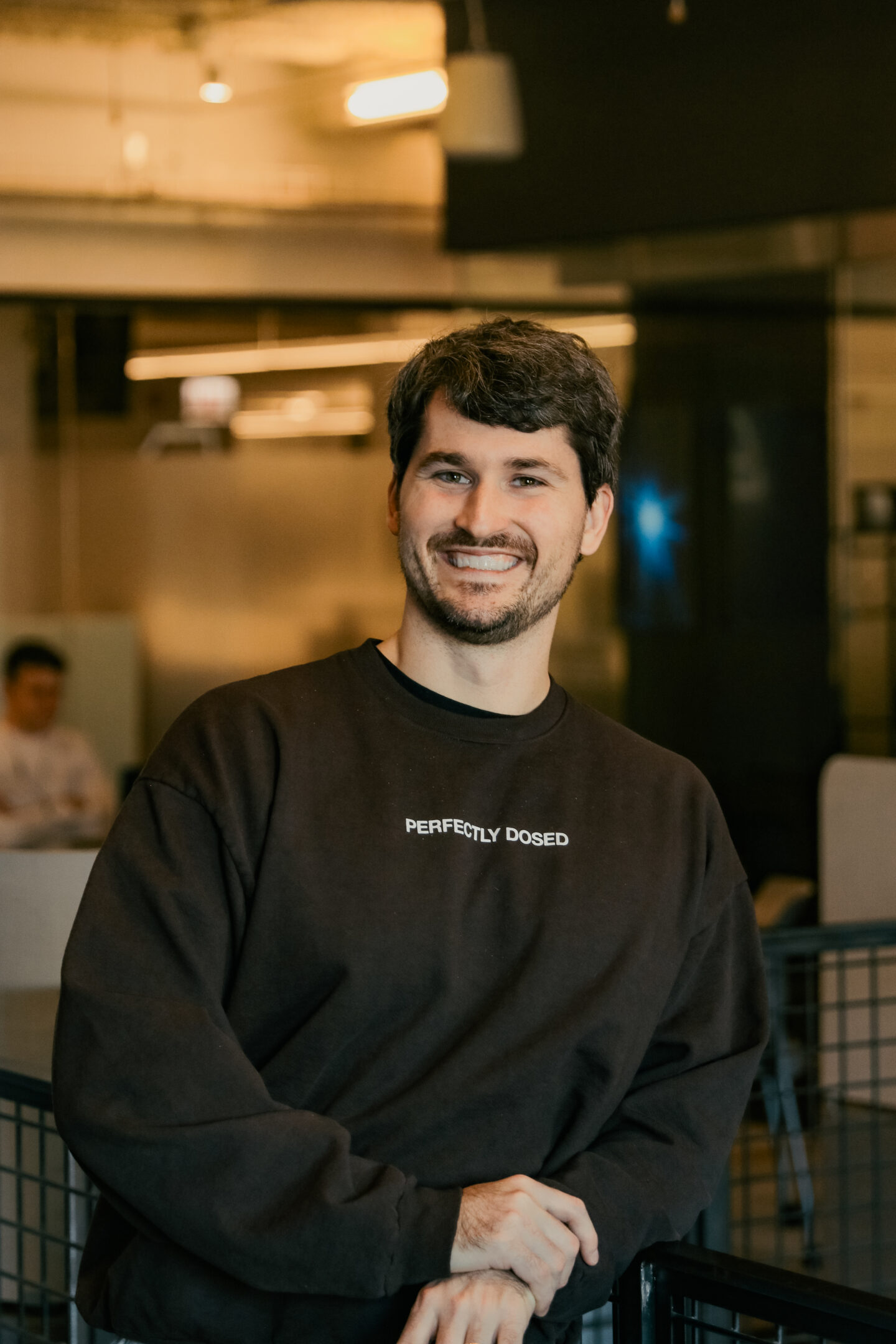 Based in Chicago, Glenn McElfresh is a seasoned industry leader and the co-founder of both Perfectly Dosed and the hemp-infused beverage brand Plift. With a career spanning over a decade in cannabis, he previously served as a Chief Compliance Officer at a mutl-state marijuana company, where he managed compliance for operations generating over $100 million in revenue. Today, he is a prominent advocate for the hemp beverage industry, having spearheaded lobbying efforts and assisted in drafting legislation in dozens of states to ensure a safe and transparent marketplace for hemp-derived products. He is a Board Member of the Hemp Beverage Alliance.
Ricky Wojcik - Dosage parfait
 Ricky is Revenue Director at Perfectly Dosed, where he’s helped hundreds of craft breweries evaluate and enter the hemp beverage market. From early feasibility conversations to full product launches, he’s guided breweries through the real decisions — what works, what doesn’t, and where the opportunities actually are. For a growing number of those partners, THC and CBD products now represent 10% or more of net new revenue. Ricky is a genuine believer that the future of accessible, safely made hemp beverages is being built by the craft brewing community.
Kevin Wright - Brasserie Third Space
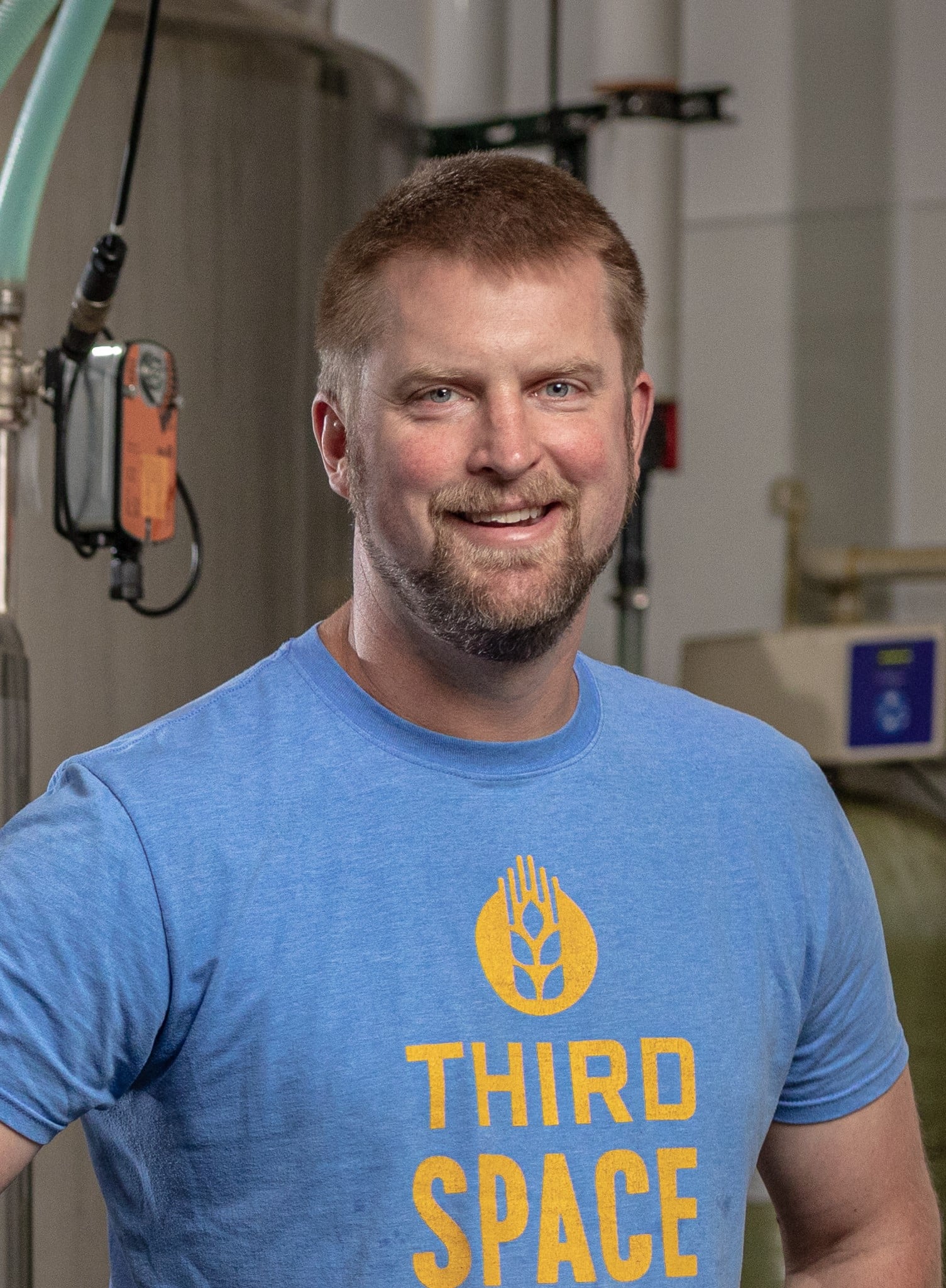 Kevin Wright is a graduate of the Master Brewers program at the University of California Davis where he finished top of his class and earned the JS Ford award given out by the Institute of Brewing and Distilling in London. After graduation he ran a regional craft brewery in Southern California before moving home to Milwaukee in 2015. In 2016 Kevin and his business partner opened Third Space Brewing where he is the Brewmaster. In addition to beer and brewing, Kevin enjoys spending time with his family and coaching his kids’ baseball teams.
Andy Gehl - Brasserie Third Space
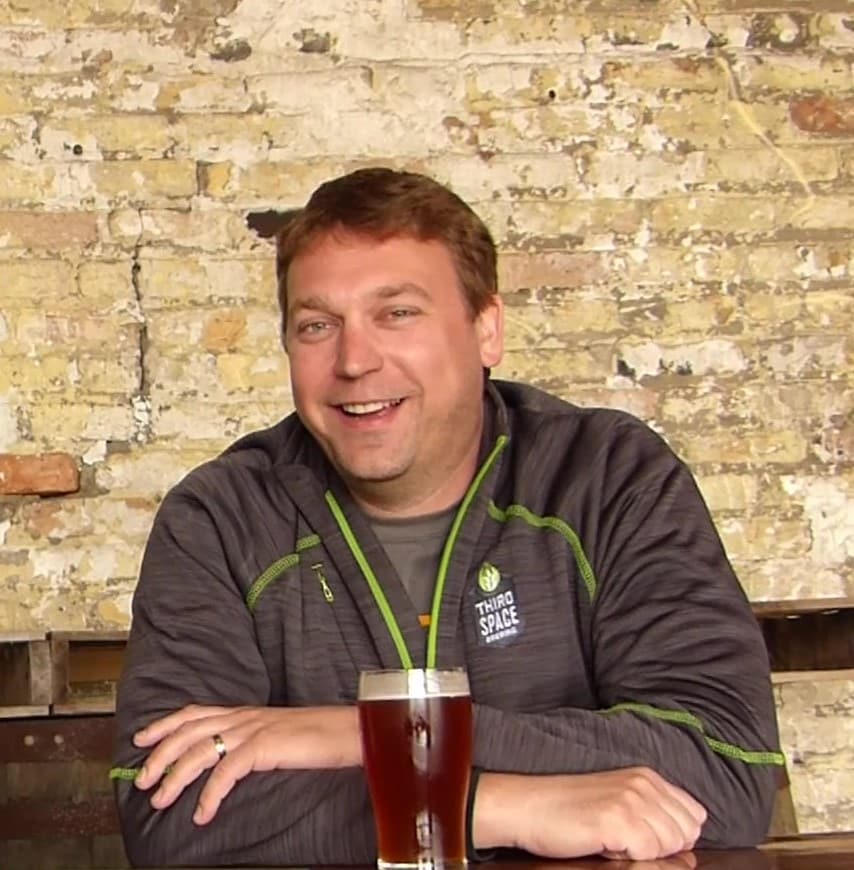 Andy Gehl is President and Co-Founder of Third Space Brewing in Milwaukee, WI. Together with co-founder, Kevin Wright, Andy has helped grow Third Space Brewing into a top 5 producing craft brewery in the state of Wisconsin. Third Space Brewing brews and sells craft beer and other beverages including Head Space Hemp-Derived THC beverages to bars, restaurants, liquor stores and grocery stores across the state of Wisconsin and at 4 Third Space operated retail outlets in the Milwaukee area.
PLUS ÉPISODES
SAISON 7, ÉPISODE 9 : Quand le cannabis rencontre l’artisanat – L’essor des boissons fonctionnelles
ANIMATEURS DU BALADO :
JUSTINE JOHNSON – GESTIONNAIRE MARKETING ET ÉVÉNEMENTS MONDIAUX, COUNTRY MALT GROUP
INVITÉS DU BALADO :
Glenn McElfresh – Cofondateur et vice-président des affaires gouvernementales, Perfectly Dosed
Ricky Wojcik – Directeur des revenus, Perfectly Dosed
Kevin Wright – Cofondateur et brasseur en chef, Third Space Brewing
Andy Gehl – Cofondateur et président, Third Space Brewing
Les boissons fonctionnelles constituent l'un des segments les plus dynamiques de l'industrie des boissons, et les boissons infusées au THC sont au cœur des discussions. Compte tenu de l'intérêt croissant des brasseries pour les boissons au cannabis, il est plus que jamais essentiel de comprendre les technologies, les réglementations et les tendances de consommation.
Dans notre épisode 9 de la saison 7 : « Le cannabis rencontre l’artisanat : l’essor des boissons fonctionnelles », nous discutons avec les experts de Perfectly Dosed et de Third Space Brewing pour discuter de la fabrication des boissons à base de THC, de l’importance du dosage et des connaissances que les brasseries doivent avoir avant de se lancer sur le marché.
De la science derrière les émulsions de cannabinoïdes à l'essor des consommateurs « curieux de sobriété » et à la demande croissante de boissons fonctionnelles, cet épisode explore comment les brasseries s'adaptent à un secteur en pleine mutation.
Points clés à retenir
- Les boissons au THC gagnent en popularité. Les consommateurs recherchent de nouvelles options de boissons sociales et fonctionnelles, en plus des boissons alcoolisées traditionnelles.
- Le dosage est important. Le meilleur conseil pour les nouveaux consommateurs est simple : commencer par une faible dose et l’augmenter graduellement , tout en respectant la réglementation en vigueur.
- La technologie des émulsions rend cela possible. Des entreprises comme Perfectly Dosed créent des émulsions de cannabinoïdes hydrosolubles qui permettent au THC et au CBD de se mélanger parfaitement aux boissons.
- À chaque marché correspond un produit différent. Les boissons à faible dose ont tendance à bien se vendre dans les bars à bière, tandis que les options à dose plus élevée connaissent souvent une demande plus forte en grande distribution.
- La réglementation est essentielle. Les marques prospères privilégient la conformité, l'étiquetage et l'information des consommateurs, à mesure que le secteur évolue.
Que vous soyez une brasserie à la recherche de nouvelles opportunités ou simplement curieux de connaître l'avenir des boissons fonctionnelles, cet épisode vous offre des perspectives pratiques de la part de leaders de l'industrie à l'avant-garde de l'innovation en matière de boissons au cannabis.
Transcription - ÉPISODE S.7, E.9 : LE CANNABIS RENCONTRE L'ARTISANAT - L'ESSOR DES BOISSONS FONCTIONNELLES
Justine Johnson (00:07)
Hi everyone and welcome back to another episode of the BrewDeck Podcast. On today’s episode, we are sitting down with Perfectly Dosed and Third Space Brewing to discuss functional beverages, THC, C B D, and how to get into that Space.
Justine Johnson (00:21)
All right. Well, let’s get into it. We can start with some introductions. why don’t we start with Perfectly Dosed? Ricky, go ahead.
RIcky Wojcik (00:28)
Thanks so much, Justine. happy to be here. My name’s Ricky. I am the revenue director at Perfectly Dosed. I’ve been the team for about two years and in that time I’ve worked with probably a few hundred breweries at this point to kinda go all the way from kicking the tires on TH T drinks to bringing something to market and scaling.
Kevin Wright (00:40)
Okay.
Justine Johnson (00:47)
Awesome.
Glenn M (00:48)
And I’m Glenn McGalfresh. I’m one of the co founders of Perfectly Dosed, signed our first brewery clients and I’m our our head of government affairs for the company.
Andy Gehl (00:59)
So I’ll jump in. I’m Andy Gehl, co-founder and president of Third Space Brewing. we are located in Milwaukee, Wisconsin, and we produce craft beer as well as other beverages, including line of drinks called Headspace, which are hemp derived THC beverages. And we sell our products throughout the state of Wisconsin and to bars, restaurants, liquor stores, grocery stores, and then at four retail locations that we operate here in the Milwaukee.
Kevin Wright (01:01)
Okay. Okay.
I’m Kevin Wright. I’m Andy’s business partner, co-founder and brewmaster at Third Space. work on the team that produces everything.
Justine Johnson (01:30)
Awesome. Thanks so much everyone for being here today. I guess let’s kick it off with the beginning
Andy Gehl (01:34)
Yeah.
Justine Johnson (01:35)
question is who is Perfectly Dosed and what do you do?
RIcky Wojcik (01:38)
It’s a great question. I’ll kick us off there. Perfectly Dosed, we are an emulsion vendor. Really, what we’re making is the ingredient that powers THC, C B D, other hemp derived beverages in its natural form. THC, C B D, these things are oils coming from the hemp plant, and oils don’t mix with water, so it makes it challenging to make a beverage. Our secret sauce is turning that into a beverage component.
Glenn M (02:00)
And what I’d add to that is that we really just want to be partners. you know, I grew up in a house where my dad started a business and it failed. And I I saw firsthand how how the negative impact that could make on just families. And I made it kind of my mission to help change that for
Andy Gehl (02:16)
Okay.
Glenn M (02:16)
as many people as we could. And you know, most brews are small businesses. and obviously now as trends are changing, like
We are seeing more breweries shut down than ever before. So, you know, we’re a partner, whether it’s like helping a a smaller brewery just get started, a bigger one figure out how to scale, or as I’ve done in the case of Andy, head up and be on a panel so that we can make sure that we we get the right regulation at the federal level. You know, we just we wanna help all of our friends in the industry just stick around and and be a great Third Space for many years to come.
Justine Johnson (02:47)
Yeah, that’s awesome. I guess with your products from Perfectly Dosed, understanding what they are. So the difference between THC, C B D, and specifically your dosing recommendations and everything, we’d love to hear more about that.
RIcky Wojcik (03:01)
Yeah, so we’ve got a range of products. at the moment they’re all hemp-derived cannabinoids. hemp, I I guess taking a step back when you’re talking about cannabis broadly speaking, cannabis encapsulates both marijuana and hemp. The two plants are extremely similar. the difference in the eyes of the federal government is how much THC there is in the plant when it’s grown and harvested. hemp is defined as less than 0.3% THC, and all of the inputs that Perfectly Dosed works with are hemp derived.
We have all of the documentation chains of custody and things of the sort to kind of show where the hemp is coming from. And then within the hemp plant, you have a range of different cannabinoids. You have THC, which is what contributes the psychoactive effect. And you’ve got CBD, which is more of a body and muscle relaxant. Those are probably the two most popular, but there are several minor cannabinoids: CBN, CBG, CBC.
in the mix as well. We emulsify all of those, turn it into a liquid ingredient that’s 5% potency, meaning every 50 milligrams of our emulsion has, or every gram of emulsion has 50 milligrams of THC in it. It’s as easy as kind of just mixing it into a non-alcoholic beverage and and packaging. I mean few steps, few additional steps in there as well, but for for sake of conversation right now, just drop it in and mix.
Glenn M (04:17)
And and I’ll kind of take the dosing recommendation one, you know, I think we’ve as an ingredient company, it’d be like if a hop company said, Hey, here’s how many IBUs you should make your beer, right? Like we we’ve had to learn the delicate balance of of, you know, helping our clients make what their customers want, and making sure that we don’t kind of get in in the way of that too much.
You know, I think the first and most important thing that we recommend is make sure you’re following your state law, right? So in states like Minnesota, you know, where there’s a lot of really solid regulation out there, because of the craft Brewing community, shout out Bob Gallagher, there you know, there’s ten milligrams per can, right? In a state like Wisconsin, and and you know, this is Randy and Kevin can can share, like there is really not a ton of regulation, and that’s something that I think we all desperately want.
and in Illinois, there’s nothing right now, but there are requirements on the type of inputs you can have. So follow state law is the most important one. And then we always recommend starting lower. but as as Andy and Kevin can speak to better than us, like consumers, you know, will tell you what to make. And any good business knows to listen to your customers, the people that are coming in and and giving you their hard-earned dollars. And sometimes that’s higher than what people may initially think.
And and that’s always an interesting question and and folks like Andy and Kevin have done an amazing job of like balancing
Products that are, you know, appealing to a wide variety of consumers. It’s it’s it’s not easy. But we you know, we always say start low, go slow, and and work work on making a really safe product. Work on making a product that’s reliable and consistent, and then just follow the state law.
RIcky Wojcik (05:51)
And it’s a wide variety of consumers as well as a wide variety of occasions too, right? Like similar to beer, you’re gonna have different A B Vs depending on kind of what occasion what you’re looking for. Same can be true with hemp beverages, which leads me to kind of why I mentioned the C B D and minor cannabinoids as well. Could be an interesting way to kind of tweak the effects that you’re going after in your product.
Justine Johnson (06:12)
Yeah, I really appreciate that. And I guess this question I’ll throw to Andy and Kevin, with the industry kind of moving into those functional beverages category, what made you decide to break into doing the THC C B D beverages and getting into that functional game?
Andy Gehl (06:28)
Yeah, I mean we we’re always at Third Space looking at ways to innovate in the products that we offer and the experiences that we offer. Sometimes that’s you know, a a new interesting Brewing technique for beer, and sometimes it’s moving into a completely alternative beverage altogether. So that’s obviously what the case was here was sort of watching where the consumer, you know, you know, trends are going in some ways. I mean, they’re they’re still drinking beer, but they’re there are plenty of consumers out there that are looking for alternatives.
we’ve seen the rise of, you know, cannabis and and cannabis legal marijuana legal states, the popularity there, and that we thought there might be a market for a consumer that wanted a legal path to consuming those products in the state of Wisconsin. And so we
you know, dipped our toe in the water with some experiments in in in this product Space, just selling it out of our tap room back in twenty twenty three. And like Glenn said, we we saw what the consumer wanted and they wanted this product and they wanted a lot of it. And so then we decided to ramp up and scale to to distribute across the state of Wisconsin.
Justine Johnson (07:23)
It’s awesome. So I guess what surprised you most after launching this beverage and everything in this Space and how long have you been in this Space and how long like have have you had this product?
Andy Gehl (07:34)
So we launched the product in late 2023, so around November 2023. So we’ll be coming up on, I guess, almost three years here in the fall. but we started just selling it out of our tap room with one one beverage, five milligram products. and we found pretty quickly, as Gren Glenn mentioned, there were a lot of people who gravitated towards the five milligram product, but there were others who were clamoring for higher dosages. And so we started to expand our product line.
And now we sell five milligram, ten milligram, and twenty-five milligram products and we have multiple flavors within
most of those. so I’d say that my surprise was actually that the the demand for higher doses, I thought this was going to be treated more like you know, sessionable, you know, alcohol products where people wanted to drink, you know, maybe multiple cans at lower dosage levels. But we’re finding that I think it’s a more mature cannabis user who’s been gravitarding gravitating towards these products at this stage and and so they’ve been demanding higher dosages. We’re hopeful as this
you know, industry continues to grow that it’s going to reach a wider audience and we’re gonna find new customers who are looking for those lower doses. but we’ll see where it goes from here.
Glenn M (08:36)
I was just looking in my emails, Kevin. my first email from you was August 22nd, 2023. And I think back to that time and I’m like, wow, that feels like decades ago. So yeah, really appreciate you guys. It is it has been a long, long
RIcky Wojcik (08:52)
Andy, real quick, I want to jump back to something that you had mentioned of kind of the different products and the mix you guys have. Do you see that there are, I guess, different channels where you’re seeing those beverages perform better, where maybe the tap room, the five milligrams sell really well, whereas distribution, you see the the higher dose products sell really well, or is the the mix pretty consistent throughout?
Andy Gehl (09:13)
main difference is really on-prem-premise versus off-premise. So, you know, bars and restaurants that are serving these products versus people who are taking them home to enjoy at their house or their parties or their other occasions. So the lower dose beverages are selling more on the on-premise, you know, where people are out and about and you know, maybe they’re driving later or maybe they’re also consuming other things, and so they might go up for the lower dose, whereas people who are purchasing to go
for, you know, use outside of a a public setting might be looking for those those higher dosages. But across, you know, in terms of the retail outlets that we sell to in in the distribution marketplace, we’re not really seeing a difference other than, you know, certain retailers have chosen not to carry the l higher dose products and others have chosen not to carry the lower dose products because they’ve seen the rate of sale on the higher dose.
Justine Johnson (09:59)
Yeah, absolutely.
Glenn M (09:59)
Wisconsin’s weird like that. It’s one of the f only
states I’ve heard of where like there will be retailers. So I went to school at UW Madison. And so like we go my wife and I go to Madison all the time. Like the liquor stores in Monona will not sell anything less than a ten milligram. And it’s it’s unique because it’s cutting off this whole, you know, new consumer base, right? The first timer or the person that wants to drink a couple or just share it with their friends. It’s
Yeah, Andy’s not kidding when he says there are retailers that will not carry those lower potency products.
Justine Johnson (10:28)
Very interesting.
Andy Gehl (10:28)
Yeah, and I think what’s
interesting there is how much of this is a self-fulfilling prophecy, right? Where the retailer is saying, we want the ten milligram because that’s what’s selling. and they may have made that choice before they gave a chance for those new consumers to come in that were looking for lower doses. And so, yeah, well, now what it’s selling, it’s the higher doses because that’s what’s on the shelf. so it’s gonna be interesting to see where this goes. I I really have a belief that if this industry is gonna to continue to achieve what it could achieve in terms of growth across the
of the market is the lower dose products. It’s it’s getting into a more mainstream consumer is people who not might not be more heavy cannabis users that maybe want to just kind of you know have something additional to kind of add to their their occasion and to their experience that they won’t want a lower dose. and so unfortunately I think what’s just a little bit of a detriment to that growth for the industry by us focusing on those higher doses at this at this time. And I’m hopeful that you know once we get the regulations we need in place to to
allow this industry to continue and thrive, that we can get back to trying to grow it with a wide range of dosages for, you know, different consumers and different occasions.
Justine Johnson (11:28)
Yeah. And I guess going back to twenty twenty three, when you wanted to introduce this into your line, was there any changes to your production facility that you needed to do in order to bring this live for you?
Kevin Wright (11:39)
I can take that one. we didn’t have to do any changes to our facility like physically. We had all the equipment that we needed to make the type of products that we were planning to make. you know, the main difference is the in the regulation. So TTB regulates alcohol and alcohol labeling, and these products fall under FDA label regulation. So we had to read up on FDA label, you know, label requirements to make sure that the labels we were putting on them were were compliant.
But from a production standpoint, we we had everything we needed.
Justine Johnson (12:09)
Awesome.
Glenn M (12:10)
And and what I would add to that too is that like back then in twenty twenty three, it’s not like there were a lot of like big national brands making hemp. Like I think at the time, like you were probably one of the first, Kevin, if not the first brewery in Wisconsin, to to really go for a THC beverage. You know, I I think a mutual friend of ours introduced us, you know, Joe Wells, who was at at Fair State. and and I I think for a long period of time
Nobody in the world had made more hemp beverages than him. So it was just, you know, from again, I wasn’t around the early stages of craft beer from what from what I’ve heard. It was like that very collaborative period where people are like, Hey, how does this work? How does that work? And and, you know, a lot a fair bit of trial and error, but a lot more trial and a lot less error.
Kevin Wright (12:51)
There was some air.
Andy Gehl (12:52)
Yeah, we weren’t the first
Glenn M (12:52)
Always is.
Andy Gehl (12:53)
in Wisconsin either. We we’re not gonna take credit for that, but we were we were one of the first to get into pretty wide distribution. and that was th you know, thankfully we had a solid brand presence on the beer side. And so we were able to build upon that to to grow our head our headspace brand. And and that’s you know also a good example, maybe we’ll get into later, but you know, we actually put our name, Third Space Brewing, right on the label. we
We we kind of headspace is a is a playoff of Third Space and the goal there was to do two things. One it was to, you know, get that wide distribution of the product ’cause people trusted us as a solid quality producer of craft beer. but, you know, also to signal to the to that was to get them to buy it, but also to signal to them that it this was a you know, a safe product that they could trust because they knew it was coming from
you know, a craft beverage producer that they that they knew. And at the time that actually felt like a pretty big risk because people didn’t really know what these beverages how they were gonna be perceived in the marketplace by the the general public and and there were some questions of whether or not, you know, putting our name on it was a good idea and whether that could, you know, potentially tarnish our brand for beer. And thankfully the public, you know, responded in a very positive way. But we wanted to just put that out there from the beginning. And yeah, we get hit hit wide distro.
Glenn M (14:00)
I wish more people would do that.
Andy Gehl (14:01)
Yeah.
Glenn M (14:02)
I’m sorry about that. I I wish more people would do that. Like I think a lot of breweries in particular, you know, maybe underestimate how much brand equity they’ve built over the years that they’ve been open. Or they, you know, have this idea for a brand that is maybe exciting and and you know, you’re really just leaving a lot of trust, you know, with your wholesale relationships with your customers, like on the table. you know, I tell people all the time, unless there’s like a very clear and convincing reason to not.
use your existing brand name or a playoff of it or like highlighting made by, like you’re you you’re really leaving a lot of opportunity on the table to connect with your consumers. So I again you were definitely ahead of the curve there.
Justine Johnson (14:38)
Yeah. And I mean, so I guess in the last it’s been th almost three years for you now, what would you say has kind of changed either in your marketing or misconceptions that may have been out there from THC when you first launched to now?
Andy Gehl (14:51)
You know, I think we haven’t changed a lot in terms of what we’ve been doing, but I think the consumer has evolved in the sense that people are getting more used to these beverages existing, understanding better what they are, why they’re legal, how they’re legal, you know, what the what what occasions they’re meant for. but we’ve stuck with our same message from the beginning, you know, that you know, this is a quality product made by a brewer that you can trust.
You know, we went forward with a you know, zero calories, zero sugar brand, so it’s you know, a healthy potentially healthy alternative for folks, to other things on the marketplace. And we’ve stuck with that branding and that that that sort of message all along.
While also educating people, you know, we have, you know, a QR code on the can that can take you to the, you know, the stats in terms of the the the the production side in terms of like the dosage and things like that. But we it also takes you to FAQs, in terms of, you know, what is this product? What effect might it have on me physically? You know, how should I consume this product if I’ve never done it before? Things like that. So there’s been a lot of education and we’re still doing that because again we’re still introducing it to new customers, but we haven’t changed much about what we do.
Justine Johnson (15:55)
Awesome. Yeah. And I guess this question might be a little bit more for Glenn, but what was kind of a like a big misconception that a lot of people might have about the legal the legalities when entering this Space?
Glenn M (16:06)
boy. that’s a loaded question, Justine. that’s a really good one.
Justine Johnson (16:07)
I’m sorry.
Glenn M (16:12)
So no no no, I appreciate it. I mean look, I don’t
Andy Gehl (16:14)
How much
time do we have, Justine? Glenn could talk about this for the next hour.
Glenn M (16:17)
And that’s part of too. And I’m I
Andy knows that can be a bit of a win bag, so I’ll keep it tight. But I mean I th I think the biggest i it’s not so much there were any misconceptions. I think it was how much, you know, like I I I think it was just like kind of a different kind of relationship than a lot of, you know, brewers are used to. I mean, like there was like a you know, a lot of partnership, right? Like, hey, how do we build a new brand that may or may not incorporate our existing brand? How do we
you know, deal with the fact that some states have a really regulated environment, others don’t. And then we want to make a product that expands, right? Like there are some breweries that have have, you know, spun out new companies and made their THC brand bigger than their, you know, their brewery. I think, you know, Climate Heights in Iowa is like an amazing example of that. Stellar guys, stellar brewers that that saw the opportunity and ran with it. you know it it’s the the misconceptions are are, I think
The biggest misconception that I think I saw early on was that this is a bad opportunity. Right. There were, I think, people who thought that, you know, we make beer and our consumers don’t want to try THC. And and, you know, I haven’t met a single brewery that has has regretted making a a THC beverage yet. And and there may there may be one, but but I I don’t think anybody’s consumers like don’t like getting high. At least some of them.
RIcky Wojcik (17:29)
I think on top of that, it’s fair to say that there is still a certain stigma around cannabis. It’s definitely
Justine Johnson (17:34)
Yeah.
RIcky Wojcik (17:34)
shifting. but as such, it can be uncomfortable to ask questions of what’s the difference between marijuana and hemp, what’s the difference between THC and CBD? and as you start looking at THC, what’s the difference between
There are a lot of different words being used. and it’s a nascent industry, right? So a lot of these terms are still being defined themselves. so being unafraid to ask those questions, I think is is the biggest piece of it. and as consumers and producers start to accept it more, that becomes more commonplace. but I I think that anyone who would try to kind of launch this with without transparency as a core value isn’t gonna get very far with it.
and that’s that’s a bad business model. and so the fact that we continue to see these things thrive and grow kind of proves the opposite.
Justine Johnson (18:15)
Yeah. And I think when Glenn had mentioned just partnership, I think that’s one of the biggest things in this industry I recognize is you have partnership from your ingredient supplier down to your brewer. And I think that the same goes for when Country Malt partnered with Perfectly Dosed. We wanted to be that partnership so that ’cause we don’t necessarily know all the questions or like the answers to those questions, but to have that partnership with your team at Perfectly Dosed, we’re able to pass it along to the brewer and ensure that they’re getting the correct information.
RIcky Wojcik (18:44)
Yeah, absolutely. At the end of the day you wanna know someone’s gonna pick up the phone, right, when you have a problem.
Justine Johnson (18:48)
Yeah. even just any of these questions with again those legalities and everything else because it is a new Space for a lot of people, especially when the craft beer has been around for so long. How do we get into these other areas? Yeah.
Andy Gehl (19:01)
Yeah, and I’ll add to that. I mean, Glenn was really helpful to us in the early stages when we were, you know, opening up and I was really trying to understand the legal side and also the production side and the safety side and you know, knowing that there could be producers out there that were maybe, you know, doing things not quite exactly the right way and others that were doing the right way and I need to understand what which was which and so that was extremely helpful to educate us as a supplier.
and producer first so that then we could make smart decisions about where we wanted to source, you know, our emulsions from and then also be able to educate our consumers so that they know that they can trust us because they can entr they can trust the entire supply chain.
Glenn M (19:38)
I appreciate that, Andy. That means a lot, man. It’s it definitely was a a a a learning experience. It still is, but man, I swear though some of the early days were definitely very like, what is happening here? ever every day was a new day.
Justine Johnson (19:50)
Yeah. And I guess I’ll be honest, I’m Canadian and so our whole system’s a lot different. but if you could give a little more information specifically about the Perfectly Dosed products, which sort of as you mentioned that there’s different like with the Delta Nine, Delta s all the other deltas and such, what you have settled on for your products and then how it flows into what Andy and Kevin do.
RIcky Wojcik (20:12)
Yeah, absolutely. I’m gonna have Glenn chime in at the end of this because a big part of what we are doing is kind of getting ready to set the marketplace as well as just build the marketplace for what kind of will be the most sustainable long term, both from a regulatory and a consumer standpoint. What I mean by that is that regulations are are still being built around this industry, right? And we’re fully in favor of that. We want to collaborate and make that happen.
We want make sure these are safe products. And so we’re only offering naturally derived cannamanoids. What that means is that you can create THC both in an isomerized or a synthetic way, as well as just naturally derived straight from the plant. I’m not making any commentary on whether or not synthetic cannamanoids are dangerous. It’s actually some pretty fascinating technology, but that’s the direction that regulations are heading, and most consumers are obviously most comfortable without tons of education, knowing that it’s a naturally derived.
So we work with naturally derived THC, which means that THC is coming directly from the hemp plant. It is the 0.3% that’s naturally grown in the hemp plant. THC is the broad term for really any psychoactive compound that you have within the plant. That’ll include delta 8, it’ll include delta 9, it’ll include delta 10, and a handful of other versions, variants. Delta 9 is really the most abundant one though. And
It’s what most consumers are are looking after. the the true difference to like dig into the chemistry between all of them is really where the different bonds are within that chemical compound. but there’s been obviously a a lot of confusion and information around delta eight, delta nine, delta ten. what we’re looking at is kind of the most robust and most naturally occurring part of the plant that is psychoactive when it comes to the THC. On top of that, we’ve got CBD that’s going to make up.
60, 70, 80% of the plant, so super abundant in hemp. and then there are minor cannaminoids such as C B N, C B G, C B C that have different effects. C B N is known to be more relaxing, so it can be great for like a sleep-aid type product. C B G, on the other hand, is more energizing. and we’re pretty excited to be getting into the terpene Space as well, which obviously brewers are super familiar with terpenes from a flavor and aroma standpoint, but they have some pretty interesting
effects as well, where those terpenes are essentially going to interact with your body’s nervous system, your endocannabinoid system, and prime that system to create a more kind of well-rounded effect when you’re consuming THC, C B D, and other cannabinoids. I guess this is where I’ll tap Glenn in to talk more about kind of the regulatory standpoint, Glenn, if you don’t mind, and kind of like what what we’re seeing, what we’re looking at, and how we’re we’re building a scalable system.
Glenn M (22:46)
Yeah. And so when we started this, Minnesota was our core market, but then like obviously they’re highly regulated up there. And they’re a unique state in that they’re one of the few states that allows isomerized THC, which is THC made from C B D. And again, to Ricky’s point, I’m not gonna comment on the safety ’cause like that that is that’s an episode in and of itself. but
You know, we knew early on, and and this is cause I was a chief compliance officer at a cannabis company before starting Perfectly Dosed, that the natural cannabinoids, which are the cannabinoids that are made in the plant and extracted from the plant, are are going to be the safest pathway forward and help us do all of the policy work that, you know,
I’ve done somehow folks like Andy who I didn’t realize had any more hours in the day have started to do it’s just the best angle, right? The best regulatory angle. and and so we’ve always built with that approach to kind of try to skate where the puck is going and and that’s kind of borne out to be true. And then also on the consumer side, when you start to dive into those esoteric cannabinoids, nobody knows what they are, right? Like unless you’re just a c like a connoisseur, you know, and again, I’ve been in the industry for a decade, so I I am.
But, you know, the regular person who’s just coming home from work or like after a brewers game on a on a on a Sunday, like they just want to relax and unwind, right? They they want to drink something else, but maybe no, they have to get up early. Like they just want the easy cannabinoids. And, you know, that’s kind of how it’s been on the demand side for us, right? Like in the same way, you know, Andy was saying he listens to consumers, so do we. We don’t get a lot of requests for super custom minor cannabinoids. It’s it’s the easy peasy stuff because it’s like Kevin doesn’t need another ingredient to track.
And, you know, it it keeps the bill of materials tight. So w we listen to our customers but also know like, hey, from a policy perspective, there’s only one way to go and that’s just naturally drive cannabinoids.
Justine Johnson (24:31)
Awesome. Appreciate that. and I guess the question I would put to Andy and Kevin, once you started kind of creating it, what was your path in terms of flavors and everything? Did you just kind of let the product speak for itself or did you start kind of adding anything else to it?
Kevin Wright (24:46)
I can take that one. you know, like like Andy mentioned, we decided pretty early on we wanted to do something that was, you know, zero sugar, zero calories, you know, for the reason of differentiation and also just see, you know, solidify this is an adult beverage that, you know, should be, in our opinion, you know, placed next to other adult beverages and and so, you know, some products that have a lot of sugar and might appeal to younger consumers is not something that we want to make. But
You know, so if you’ve got zero cal, zero sugar, the THC emulsion itself is essentially flavorless. So you had to add some kind of flavor to it. So we had been working a lot with some really high quality citrus flavor products that we really trusted and knew how they worked well. We’ve been doing like hop water, NA hop water products for a while using those. And so we built off of that, and then expanded out from there for other other flavors that we
you know, we trust could be a a strong, you know, flavor component that people are gonna enjoy and it’s gonna taste good.
Justine Johnson (25:46)
Awesome. and I guess what is one thing that you have either learned throughout this process or that you think that anyone else trying to get into this Space as a brewery or such should know about before launching and think about before launching?
Kevin Wright (25:59)
Yeah, I I think the the biggest learning curve for us was you know was in the the emulsion product itself and and getting consistency. You know, so as as brewers, we are very in tune to our ingredients. You know, we do a lot of work, whether it’s selecting our hops, you know, evaluating malt samples, things like that. There’s there’s lots of resources available to us to evaluate those raw materials. Whereas THC emulsion, I I you know, I I don’t know if there’s any, you know, real resources out there.
ahead of time. And so that was that was a a a lot of learning. And and and as Glenn mentioned, you know, I talked to a friend of mine in the industry that had at the time, you know, as much experience as anybody else. And he was the original one that that guided me towards Perfectly Dosed. But what we learned is, you know, not all emulsions are the same in terms of the stability, the consistency and the ease of use in your product. And so I think one thing that people will find as they start in this process is
Getting the the dosing that they want to consistently be represented in the product is a challenge. There are some challenges around that. And you know, Wisconsin, we don’t have any regulations in terms of required testing, but we’ve tested every single one of our batches with Third party independent labs since day one, because we feel that’s the right thing to do. And we won’t don’t wanna misrepresent and mislead consumers. You know, if they think it’s five milligrams and we screwed something up and it’s actually a 10 milligram dose, you know, that can be a big
impact to them. So through those testings, we found that you know, we could get the the dosing right with you know, once we learned our system, our process at the beginning, but then we saw that that dose would would decline over time. It would change. And so we would test these products at like 30 days or 90 days and we would see a difference. And so learning how to combat that and keep that dosing stable over time, that was the biggest learning curve for us. And and it really
It comes down to the your emulsion supplier and the quality of that and then a lot of the parameters that you’re doing on the production side impact that as well.
RIcky Wojcik (27:51)
Yeah, and to Kevin’s point, I mean I I know we’ve worked on this stuff, so I can say from experience that there’s thousands, if not millions, of variables that go into
Dosage target within a 12-ounce beverage, which is a very, very small percentage of the total volume. And so, as such, you could experience some sort of potency loss if you’re using sediment prone ingredients and your ingredients now settling to the bottom of the tank. If you’re not measuring things right or your scale’s not zeroed appropriately, maybe some adhesion to your production system, whether it’s the tank and the piping or the can liners, like there’s a number of different things. Fortunately,
Perfectly Dosed has been around long enough to kind of see a lot of these, if not all, and make some recommendations before those things happen. but even still, everyone’s learning, and that’s why we’ve loved working with Third Space is being able to have that open conversation of figuring out where things are going wrong, where things are going right, and how we dial it in from.
Justine Johnson (28:43)
Awesome. And I mean you’ve Third Space has now been in this area for three years. What’s kind of your hopes and goals for the next, let’s say two, so that’s five years after launching, and then maybe just five from now, what’s kind of your hope with this product or this aspect of the functional beverage?
Andy Gehl (28:59)
Well, our first hope is that it remains legal. so we have some work to do on the federal side, right now to get the get some regulations passed and, you know, affirm that this is a, you know, safe and responsible industry that can and should continue to grow. So that’s step one.
And beyond that, it’s it’s very hard to look past that at this point. But yes, we we would love for to see this industry continue to grow. We’d love to see our headspace line continue to gr grow. We have a lot of ideas for different flavor.
things that we can do, different functional additives we can do. so there’s a lot of things we put on pause while we wait out the regulatory landscape. So I think there’s there’s a lot to come. And I think there’s other brewers and producers, not everyone’s a brewer that’s making these products, are doing the same thing. Everyone’s kinda in a bit of a holding pattern as we wait to see where the regulatory landscape ends up. But as I mentioned earlier, my big hope for this industry is that we see a shift back towards lower dose products so that we can
expand to a wider range of customers. I get a lot of people asking me every day, hey, why don’t you make a a two milligram? That’s what I’d love to drink. And we don’t and and mostly because that’s what, you know, the higher doses are where selling and that’s what the retailers are asking for. But I think for this to go real mainstream, we we want to have lower dose beverages available. but yeah, it’s really about innovation and letting Kevin and and his team cook in terms of coming up with new ideas for flavors and and different compounds that we can add to to make these fun.
Justine Johnson (30:22)
Yeah, that’s awesome. And I do know as like you said, like we just need to keep with the governmental regulations. and it goes into that industry partnership aspect. I the BA hill climb happens. This year they did it in February and I think they’re continuing it to do every February, where they go to Washington and they talk with state representatives and such. And I believe that the THC C B D conversation was quite big there. And it is just one of those things that you have to keep talking about and hope that
things will stay as they are or get better.
Glenn M (30:53)
Yeah, and if and if I could just chime in there for a sec, like one thing that has been so interesting is watching so many brewers come together on this one. I I think like Andy and Kevin can probably speak to the multi-year battles that are had in Wisconsin with like various levels of the three tier system. I mean, I know I’ve seen it in Illinois. It’s been like very fascinating to watch the dynamics there. but
The you know, the federal level happened in November twelfth of twenty twenty five. And very few people and businesses had been lobbying federally. So, you know, and very e like not that many were even lobbying at the state level, but you know, more because it’s like cheaper, more local. And and so, you know, the the absolute just kind of outpouring of effort, right? Like Andy has done a ton, you know, there are very, very few, if any, breweries that have done more than him. And I’m not just saying that ’cause we’re on a podcast together. Like I’m
I mean it. it has has been really impressive and you know, there’s not a lot of time left, right? So, you know, whether I I think one thing that’s been a little surprising on the flip side of that is I I’ve seen some other brewers that have, you know, from time to time like said, Well, I’m a brewer. I don’t care about THC, I don’t make it. And it’s like this is one of those moments where it’s like, you know, these are small businesses, right? We are talking about other small businesses that this is keeping their
Doors open. This is keeping them making the beer that they know and love. And so I would just always encourage people to remember that, you know, this is less about like what people are drinking and more about how your friends, how your colleagues are keeping open, right? Because it’s hard out there for everyone. And like this is something that is a real bright spot whether you’re participating in it or not. So it it it’s been a very fascinating journey this year. And
However it ends is gonna be a certainly a very interesting chapter of our lives, for sure.
Justine Johnson (32:40)
Yeah, absolutely. I guess one last sort of question I might ask is what kind of are you most excited about either in this industry or innovation wise? And I’ll put that kind of to both Perfectly Dosed and then the team from Third Space separately.
RIcky Wojcik (32:54)
I’ll go first. For me, I’m excited to see I guess just kind of normalization as well as increased accessibility to these sorts of products. I think that I’m someone who will always drink beer and I I like having that in my fridge and I like that for certain occasions. but there are other occasions where THT is just a little bit more fitting for me. And I I moved to Chicago to w start working with Perfectly Dosed about two years ago.
Every bar and restaurant that I went to when I first moved here, I would ask them if they had any THC drinks on the menu just to kind of see. and a lot of the time the answer is no. A lot of the time it was that’s not something we can do. and it’s been really cool in the past two years to see that landscape shift pretty dramatically, where maybe a quarter, maybe even half of the bars and restaurants that I go to around the city now will carry them, or at least it’s not at all uncommon to ask if you carry them. everyone’s aware of.
This. And so I mention it because I I went to a concert venue here recently and was able to have a THC drink while I was at that concert venue. And just that kind of acceptance and innovation in kind of the ways that we’re able to socialize, get together, create Third spaces, is is pretty wonderful and exciting. And I think there’s a lot of a lot more of that to come. and the the sky’s the limit in terms of the way we get there.
Glenn M (34:09)
mean I can take it next. So for me, I I am just like I think I’m most excited to see how awesome it will be when we get something done federally. you know, I have I you know, I just have to remain optimistic. I think the industry is going to come together. I think, you know, the people who are in D C doing the work are spending spending the right dollars, having the right conversations and and doing it as best as we can. And so that’ll be really f really, really fun.
to to enjoy that moment for a day and then get back to work innovating, right? Like I spent seven years in Denver. There’s a brew out there called Crooked Stave and they made some of the best sours, right? Like I I I love sour beers. I like sweet drinks. and like I’m curious to see people just, you know, who have previously maybe been hands off, like just get into the Space, right? Like
I I can’t wait to see different smaller breweries that make, you know, like really novel beers that really are pushing the the you know the the limits of innovation just get into the Space, right? Like all the like the the fruity milkshake sours, like I’m excited to see what’s that in THC. I know Floathouse and in Connecticut tried something like that. and then also like what the big dogs do, right? Like
Right now that is, you know, it’s a there’s not a ton of huge brands in the Space and certainly not the strategic folks. Like I’m excited to see, like, hey, what do they do? Right. Is it gonna be you know, a flop, like we’ve seen some of the, you know, some brands entrance into new categories, or is it gonna be something that absolutely crushes? It’ll it’ll just be a really interesting opportunity and then how the inner the interplay between THC and beer and and spirits and wine over the coming years will just be a super fascinating, like real world experiment. I just
Can’t wait.
Andy Gehl (35:42)
Kevin, I feel like I’ve been stealing the mic, so you go next.
Kevin Wright (35:45)
Yeah, I’m I’m I’m looking forward to just learning more about this stuff. Like I I love, you know, the learning aspect. And like I said, that the challenge with the the the potency and it declining over time and then the the different things that we did to to learn how to fix that. Like just the more that the that this becomes a mainstream and s and stable and regulated industry, the more that we have the opportunity to learn about these products and and then that you know learning and understanding helps drive the innovation and like what are the next
things and next products like once you understand something better. So I don’t know. I like that side of it.
Andy Gehl (36:17)
Yeah, and and I I’m really looking forward to a regulated marketplace, which is kind of similar to what Glenn and and Kevin said, but not just the win of of getting it legalized permanently, but actually having a truly regulated marketplace. I don’t think you we didn’t realize how much how beneficial it is to have you know, reasonable regulation in an industry until you don’t have it. And
I think it’s created a lot of questions, a lot of uncertainty in, you know, how do you go to market?
What are the guardrails around what your product looks like? and you know, we can trust ourselves to be good actors and make a quality, safe product, but we can’t trust all of our competitors to do the same thing. And all it takes is, you know, one or two bad actors, you know, to spoil it for everybody else. And we need to get rid of that. So I’m looking forward to that regulated marketplace. We thrive in a regul very l regulated craft beer world. And so I think we can thrive as a business that’s doing it right in a very
very you know heavily regulated you know THC marketplace. So we’re looking forward to that and then with once we have those guardrails in place, seeing what we can really do with this industry and where it can where it can go. what what are the you know the highs that it can reach pun intended. So excited to see where it goes.
Justine Johnson (37:24)
I guess.
Glenn M (37:25)
Can’t wait to see
Headspace and Sofai.
Justine Johnson (37:28)
before my real final question, I is there anything else anyone wanted to kind of touch on or there was something that they were thinking of that they re throughout the last hour that they thought that they’d really like to say?
Glenn M (37:39)
Yeah, I would love to take this opportunity to call your federal elected officials, right? You have two senators and one representative for every location of your business and for your residence. And those may not all be the same. So go to Congress.gov, look up your elected official and call them and and tell them to pass legislation
Andy Gehl (38:00)
So
Glenn M (38:02)
like the Bar Craig bill that will
Preserve hemp beverages. you know, engage with your Statecraft Brewers Guild. they’re a great resource ac across the country. And engage your consumers, right? Like I’m sure Andy and Kevin have seen it as consumers realize like, you know, that that Headspace might, you know, not be around after November if they don’t get engaged. Like, one, it’s good for business, right? I’m sure sales like will tick up, which is, you know.
Weird but true. And then, you know, also when you start having thousands of consumers across the state reach out, like that’s hard to ignore. So reach out to your federal elected official and and do that once a week until they’re like, All right, we get you. We you know, we’re good, we get it, we’re gonna vote you know, support this bill. So be annoying. That is they work for you. So, you know, don’t forget that.
RIcky Wojcik (38:49)
Yeah, and I think to Glenn’s point, I mean, what he was saying earlier remains true. Even if this is not a Space that you’re in right now, it’s always good to have more opportunities to get involved, right? More pathways to innovate your business is never a bad thing, even if you’re not currently exercising that right. so it never hurts to get more educated. Always feel free to reach out to obviously the Perfectly knows team. I’m sure the CMG team and and even Third Space is happy to answer questions too.
Andy Gehl (39:12)
Yeah, and the last thing I’ll add to that on on top of what what Glenn and Ricky said is that I think consumers, just like it took time to educate them about what these products are and their safety and their legality, it’s they are also uneducated as to the risks of these products going away. I think the average consumer has no idea that come November thirteenth the products that they are loving right now might disappear off the store shelf. So, you know, we need to get the word out to consumers.
so that they can start, you know, making some noise at the congressional level. ‘Cause we’re doing a lot of work lobbying at the industry level, but the consumers maybe aren’t yet letting their voice heard and and they don’t understand it.
Justine Johnson (39:49)
Kevin, did you have anything?
Kevin Wright (39:51)
yeah, I was just gonna agree earlier when you said if people have questions they can reach out. Yeah, especially I’m much more versed on the production side than the the legal side. I let you know Andy and Glenn handle that. but if yeah, people have you know production level related questions, happy to happy to be a resource.
Justine Johnson (40:07)
Awesome. We appreciate it. I think my final question, and this is just one we love to ask everybody, is what’s your current favorite beverage to drink? It doesn’t have to be beer, it doesn’t have to be THC. What is your current favorite go to?
Andy Gehl (40:19)
I mean mine is still beer. I I’m I’m a beer guy. I love craft beer. I love the beer products that we’re putting out. Upward spiral West Coast style IPA has been my number one product since Kevin put it in front of me as a pilot batch back in twenty fifteen to the one I had last night at the tap room here before I went home. So that’s my favorite.
Kevin Wright (40:37)
I’m gonna say coffee right now. It’s been a busy summer.
Glenn M (40:39)
C coffee’s up there. I’ve I’ve been experimenting with point four milligram drinks at home and I’m I’m really I’m enjoying not requiring a lot of THC to feel something. It’s been a fun change for the past over the from the past twenty years.
RIcky Wojcik (40:53)
Yeah, I’m on a similar wave to Glenn where I’ve been experimenting more with terpenes and no THC and kinda looking at some of those minor cannabinoids that I’d mentioned. And it’s a pretty interesting, subtle effect and and cool. Excited to see the innovation in that Space too.
Justine Johnson (41:06)
Awesome. Thank you so much, everybody. and f as
Glenn M (41:09)
One last thing.
Justine Johnson (41:10)
it’s been echoed yeah, go ahead, Glenn.
Glenn M (41:12)
What about you, Justine? You can’t you can’t get out of here without saying what’s your favorite drink
RIcky Wojcik (41:15)
Yes.
Glenn M (41:15)
these days.
Justine Johnson (41:17)
I’m a big red wine person. Don’t tell my boss, I know it’s not the industry, but I
Glenn M (41:21)
Okay.
Justine Johnson (41:22)
I love a good red wine. Yeah.
Glenn M (41:25)
And I and I’m drinking coffee at two PM, so you know. Okay,
Justine Johnson (41:28)
I’ve got coffee and water going, so
Glenn M (41:30)
good, good.
Justine Johnson (41:30)
yeah. but I will say thank you so much to everybody as it has been echoed throughout this call. if anybody has any questions, they’re looking to get into this Space, please r reach out to your CMG rep, reach out to Perfectly Dosed, or please reach out to Andy or Kevin at Third Space.
RIcky Wojcik (41:47)
Thanks for having us, Justine. It’s been fun chatting.
Justine Johnson (41:48)
Thank you so
Andy Gehl (41:48)
Thank you.
Justine Johnson (41:49)
much. Bye.
Kevin Wright (41:50)
Yeah, thank you.
RIcky Wojcik (41:51)
Thanks guys.
PLUS ÉPISODES