
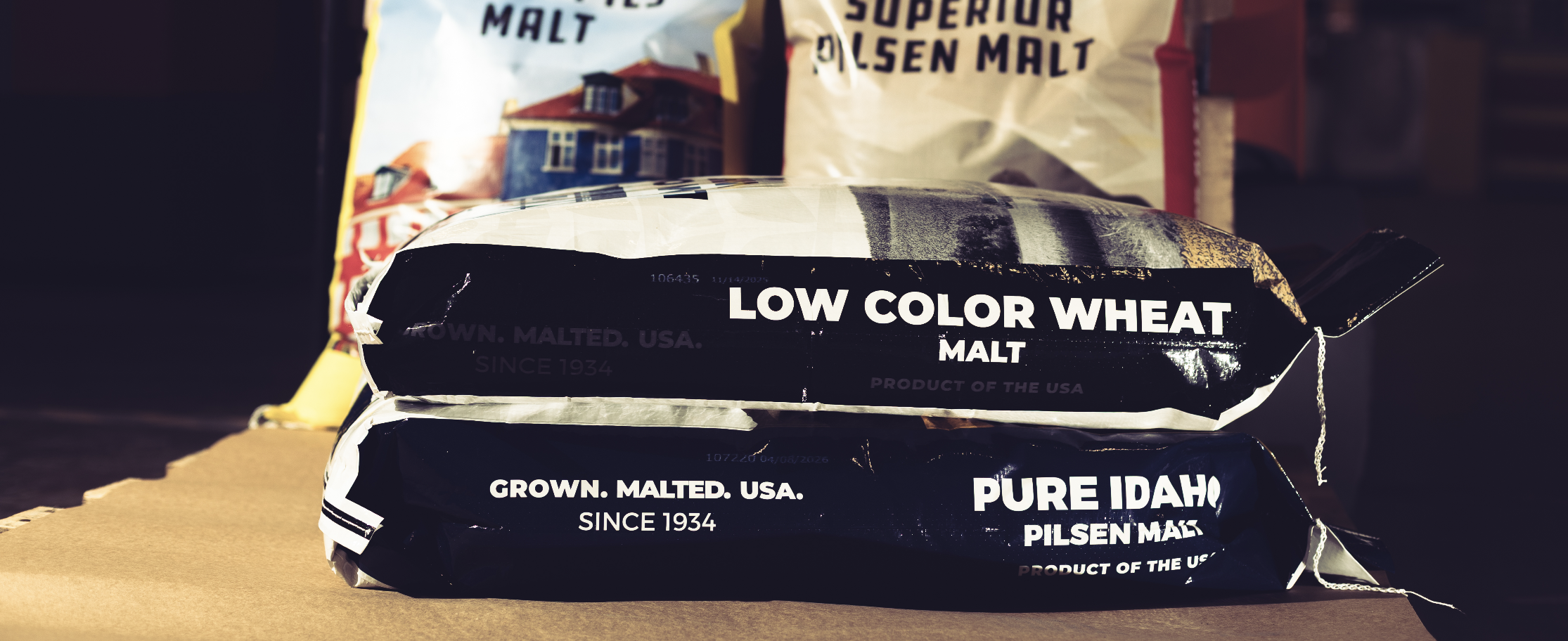
Why Brewers Are Brewing Lighter Than Ever
Low Color Beers Are Having a Moment. Here's Why Brewers Should Pay Attention. By Country Malt Group
“I’ll have the lager.” We heard it over and over again.
Recently, we spent an afternoon at Wayfinder Beer, one of our brewery partners in Portland, Oregon, asking customers one simple question:
“Why did you choose that beer?” The answers were surprisingly consistent:
- “It’s sunny outside.”
- “I wanted something refreshing.”
- “I’ve still got the rest of the day ahead of me.”
- “I wanted something easy to drink.”
(Check out the interview here)
Not one person mentioned alcohol percentage. Nobody talked about haze. Nobody asked about the newest hop variety or the highest IBU. Instead, nearly everyone gravitated toward lagers and lighter styles for one simple reason: they wanted something crisp, refreshing, and easy to enjoy.
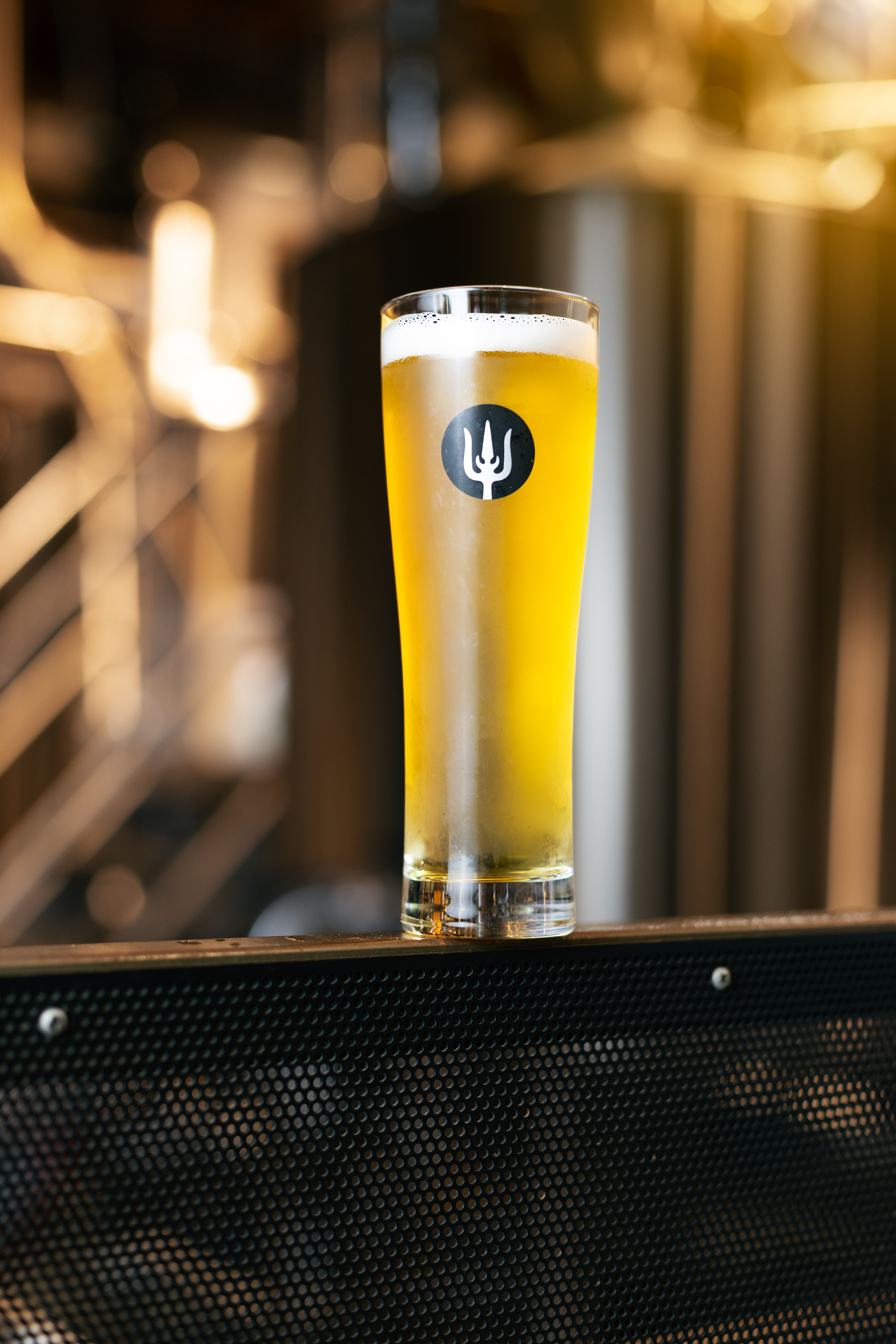
Those conversations reflect something brewers across North America are already seeing. Drinkers aren’t walking away from craft beer; they’re simply choosing different beers for different occasions. And increasingly, those occasions call for beers that are lighter in color, cleaner in flavor, and built for drinkability.
For years, craft beer was defined by pushing boundaries such as bigger hop bills, higher ABV, more specialty malts, and more intensity. Those beers continue to have an important place in craft brewing, but today’s consumers are also looking for something different. That’s where low-color beers are finding their moment. They’re approachable without being boring, flavorful without being heavy, and refreshing without sacrificing craftsmanship.
Don’t Worry! IPAs Are Not Disappearing
Far from it. Great IPAs will always have a place on tap lists, but breweries are recognizing that balance is becoming just as important as boldness. Even West Coast IPAs are evolving toward brighter color and leaner bodies while maintaining the hop character that made them popular in the first place. Brewers aren’t abandoning flavor. They’re refining it.
The Hardest Beer to Brew Looks Like the Easiest
Creating these beers isn’t as simple as making them lighter; in many ways, it’s harder. When color disappears, imperfections become much easier to spot.
- A touch of oxidation.
- Slight inconsistency in malt color.
- A little too much ester character.
- A fermentation that’s just slightly off.
- Details that might go unnoticed in darker beers suddenly become impossible to hide.
That’s why brewing low color beers isn’t about doing less, it’s about executing every step with greater precision. As our Low-Color Trend Guide puts it, “Low color raises the standard. It does not lower it.”
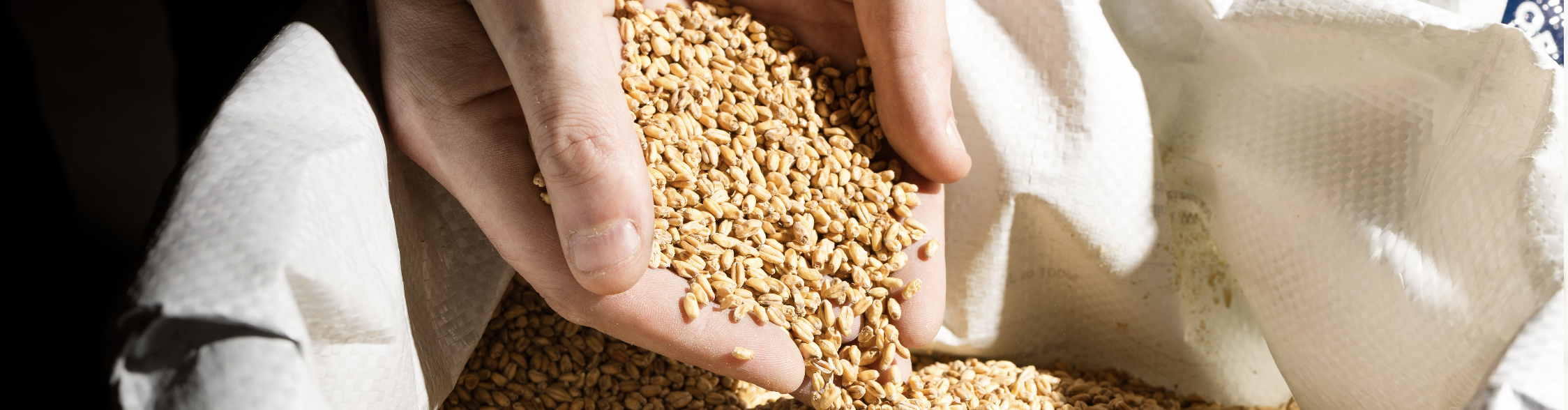
For breweries targeting exceptionally pale beers, malt selection becomes more important than ever. Brewers are increasingly looking for base malts with tight color specifications, high extract, consistent fermentability, and minimal lot-to-lot variation. Without darker specialty malts to contribute color or mask inconsistencies, every characteristic of the base malt becomes more noticeable in the finished beer.
Hops also take on a different role. Rather than dominating the beer, they often provide structure and balance. Many brewers are leaning toward restrained bittering additions and carefully selected late hopping that supports the finish without adding unnecessary haze or color. The goal isn’t to make hops disappear. It’s to use them with intention.
Yeast follows the same philosophy. In darker beers, expressive fermentation can contribute layers of complexity. In low-color beers, those same characteristics may distract from the clean profile brewers are trying to achieve. High attenuation, predictable flocculation, and clean fermentation become increasingly valuable because consistency is what allows these beers to shine.
Supporting ingredients and process control also play a much larger role than many drinkers realize.
- Water chemistry.
- Mash pH.
- Clarification
- Oxygen management.
- Even boil time.
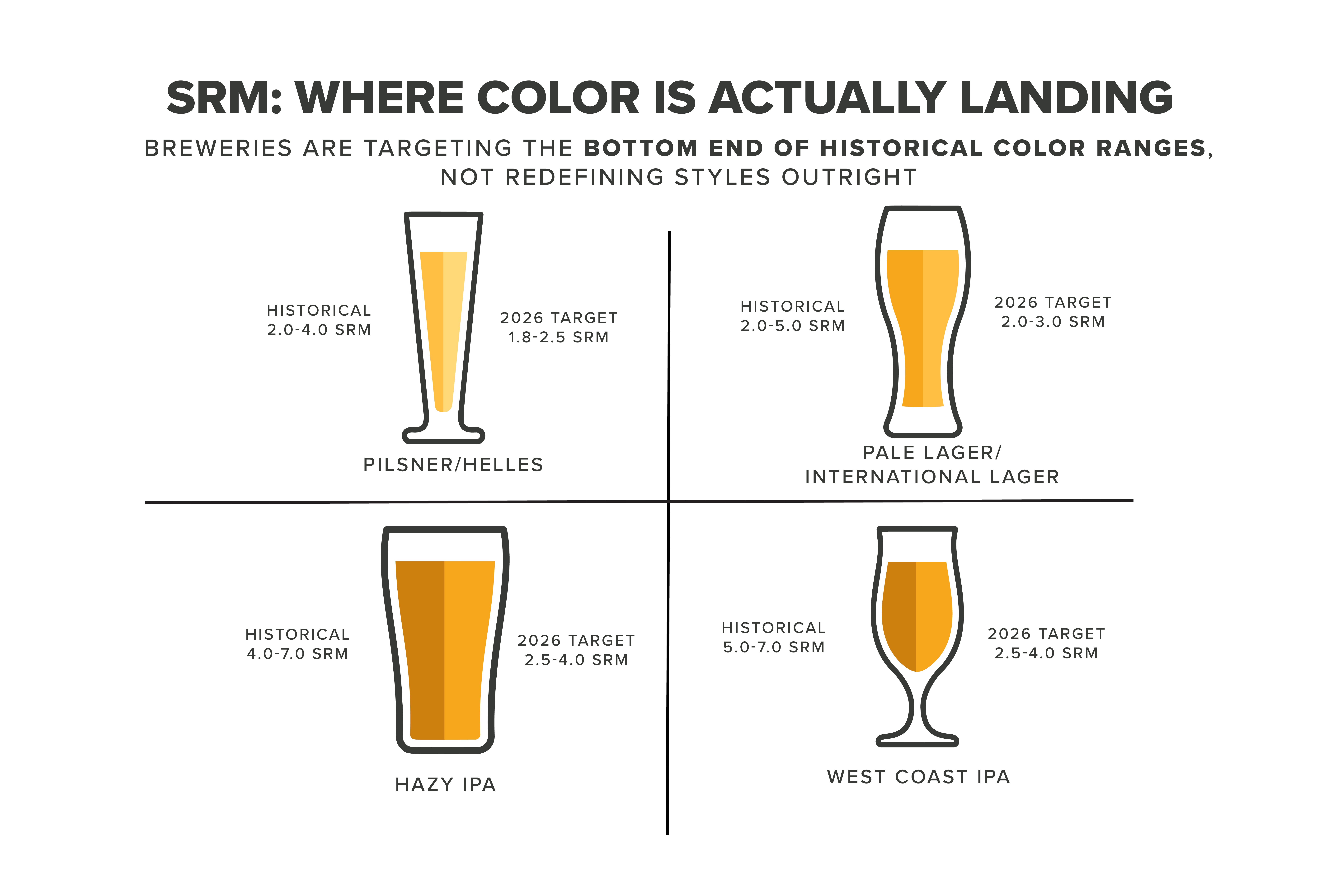
When brewing bright, pale beers, every one of these decisions influences the final product. As breweries continue chasing lower SRM targets, many are also tightening ingredient specifications and refining production processes to maintain consistency from batch to batch.
Ultimately, that’s what makes this trend so interesting!
The growing popularity of low-color beers isn’t about making beer less flavorful or following another passing trend. It’s about recognizing how people are choosing to enjoy beer today and responding with beers that fit those moments.
The conversations we had at Wayfinder all pointed to the same conclusion: people wanted something refreshing, crisp, and something they could enjoy on a warm afternoon without feeling weighed down.
As brewers, creating those experiences requires thoughtful recipe design, dependable ingredients, and consistent execution. Because sometimes the beers that look the simplest are the ones that demand the greatest attention to detail.
And judging by what we’re seeing in breweries and taprooms alike, bright, approachable, highly drinkable beers aren’t just having a moment.
They’re helping define what’s next.
Ready to Brew Lighter?
If you’re exploring low color styles, our Low-Color Guide dives deeper into:
- What’s driving the trend
- Ingredient considerations
- Color targets
- Process implications
- Practical brewing recommendations
Whether you’re refining an existing lager or developing something entirely new, understanding how ingredients influence color is the first step toward brewing beers your customers keep ordering.