From Tank to Taproom: Making World Saison Day Work for Your Brewery
By Ilia Gordeev - Growth Marketing ManagerSaison is not a top-5 volume style. That is the point.
World Saison Day is observed on April 17. It celebrates the Belgian farmhouse tradition of highly attenuated, dry ales brewed in Wallonia for seasonal workers. The profile still works today: 6–7% ABV, high attenuation, high carbonation, food-friendly finish.
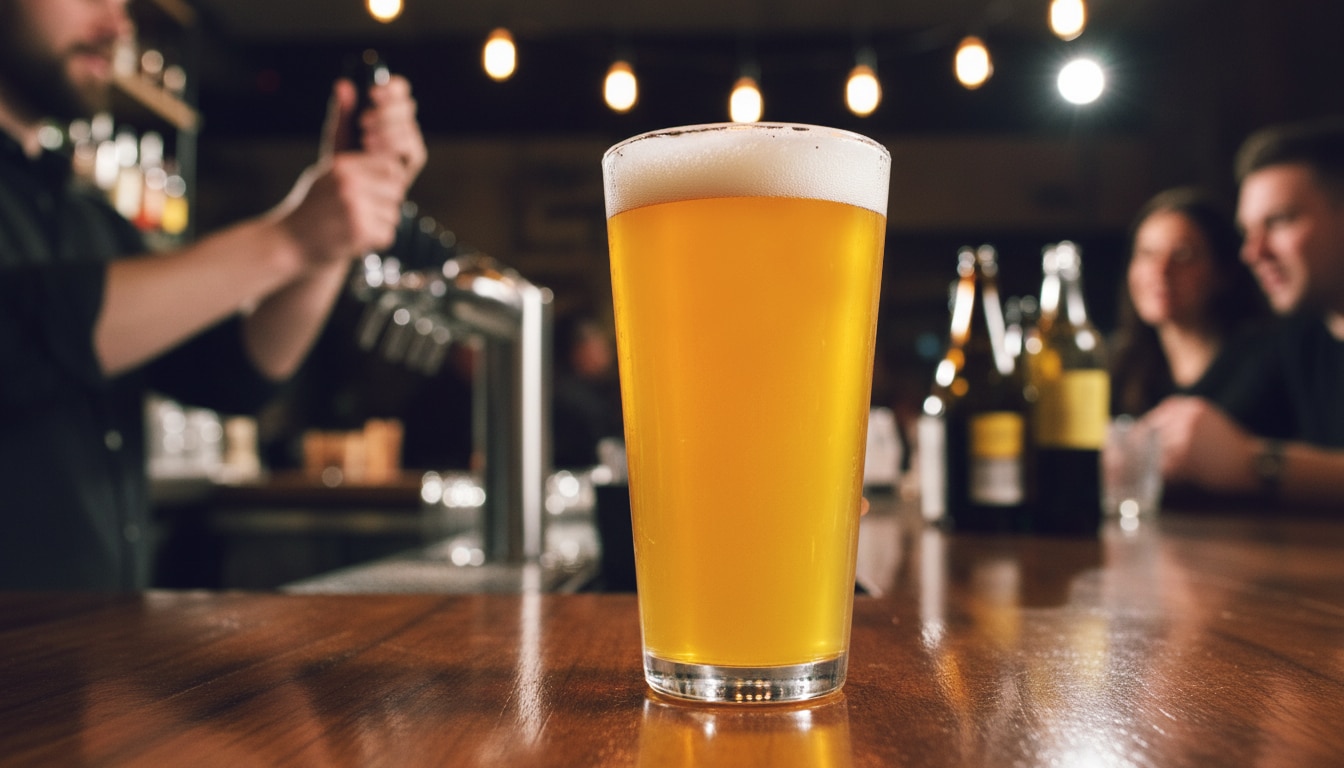
There is no governing body or cost to participate. Breweries join by releasing a saison or hosting an event. Allagash Brewing Company helped popularize the day in the U.S. through coordinated releases and taproom programming. The benefit is simple: focused attention on one style, incremental taproom traffic, and a clear story for staff to sell.
Saison Day Creates a Reason to Talk.
There Is Real Demand for “Different”
Belgian-style ales are a small but stable share of the U.S. craft market. According to Brewers Association style guidelines and competition data, saisons consistently appear in national competitions and tap takeovers, even when IPA dominates overall volume.
Untappd lists over 100,000 saison check-ins annually across new releases, showing steady engagement for the style despite not being a top-selling category.
For a taproom, that matters. Limited styles drive trial. If a 20 BBL batch yields about 620 gallons (≈4,960 pints) and you sell 60% on draft at $7 per pint, that’s more than $20,000 in gross draft revenue tied to a single specialty batch. The risk is controlled. The upside is meaningful.
Brasserie Dupont Is the Modern Benchmark
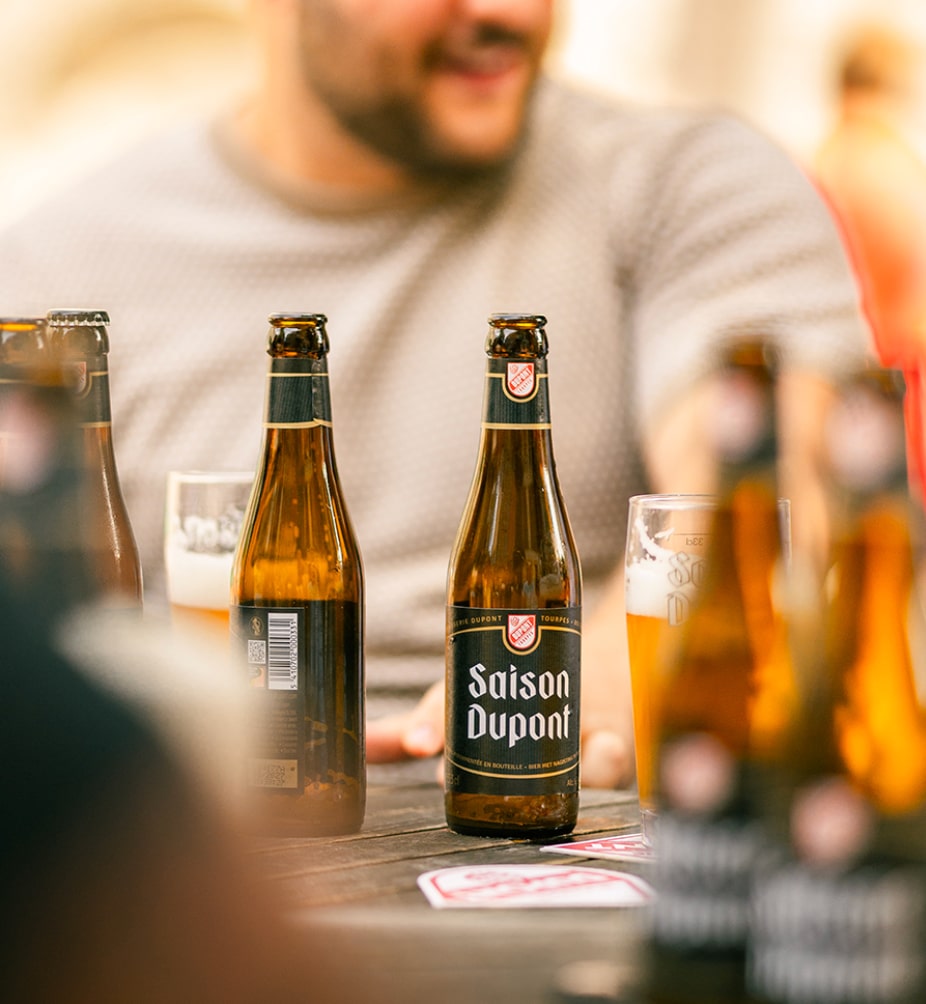
Brasserie Dupont produces Saison Dupont, widely considered the modern reference for the style. The beer sits around 6.5% ABV, finishes very dry, and is bottle-conditioned with firm carbonation. The grist is simple. The yeast does the work.
What breweries can take from Dupont:
- Keep the malt bill lean. Do not overbuild body.
- Drive attenuation. A dry finish is not optional in this style.
- Let yeast character lead: pepper, light fruit, subtle earth.
- Carbonation matters. The beer should feel lifted, not heavy.
Dupont proves that saison does not need adjunct overload or aggressive hopping to stand out. Precision and fermentation control create the signature.
Build a Flexible, Low-Risk Grain Bill
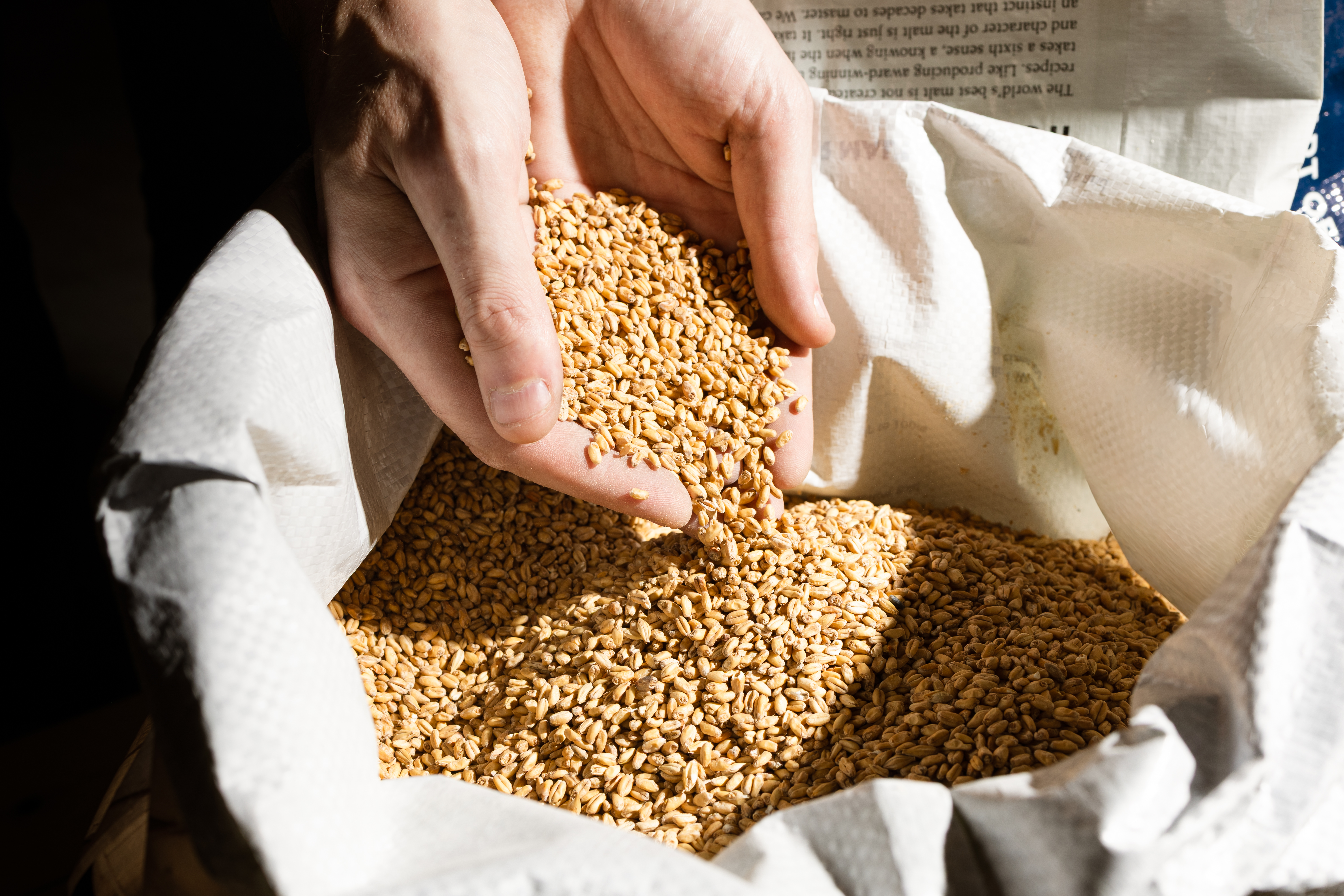
Example for a 20 BBL batch (13.5°P / 1.054 OG / ~6.5% ABV / ~25 IBU):
- 80% Pilsner malt
- 10% Low-color wheat
- 5% Vienna
- 5% Clear sugar
- Target SRM: ~2
Single infusion at 152°F for 60 minutes. Mash out at 168°F.
At 85% brewhouse efficiency, estimated malt cost stays under $1,000 for 20 BBL. You are not tying up capital in slow-moving specialty malt.
Choose Yeast Based on the Story You Want to Tell
Attenuation and ester profile will define the beer more than the grain bill.
Options:
- Lallemand LalBrew Belle Saison – high attenuation, dry finish, production-friendly.
- White Labs WLP590 French Saison Ale Yeast – pepper-forward, expressive.
- White Labs WLP568 Belgian Style Saison Ale Yeast Blend – layered character, more complexity.
Ferment 68–72°F. Target ~90% attenuation. Carbonate to 2.5–2.7 volumes. The beer must finish dry.
Position It So It Moves
Call it a limited World Saison Day release. Train staff on three points:
- Farmhouse heritage
- Dry, effervescent profile
- Limited seasonal batch
Pair it with food, a brewer Q&A, or a patio kickoff event. If you brew in February or early March, you hit mid-April 17 with fresh beer on draft and a defined reason to promote it.


About This Recipe
A modern take on a classic – slightly hop forward with the use of Simcoe in the late stages of the boil. Light in color, dry with ester- forward fermentation at warmer temps. Carbonated on the high side for an effervescent bite.
Specs
- Style: Belgian Saison
- Batch Size: 20 BBL
- Target OG: 1.054 (13.5 P)
- Target FG: 1.35 P
- Target ABV: ~6.5%
- Target IBU: 25
- Target SRM: 1.8
Grain Bill
- 80% Castle Pilsen
- 10% Great Western Low Color wheat
- 5% Castle Vienna
- 5% Belgian Sugar Crystals (clear)
Mash
- Single infusion mash at 152°F for 60 minutes
- Mash out at 168°F
Hop and Kettle Additions
| Varietal | AA% | Volume (lbs) | Volume (oz) | # per Barrel | Time | Utilatizon | Expected IBU |
| Centennial | 10.00% | 3 | 48 | 0.15 | 60 Minutes | 0.211 | 12.24 |
| Hallertau Mittlefruh | 4.00% | 5 | 80 | 0.25 | 20 Minutes | 0.128 | 4.95 |
| Hallertau Mittlefruh | 4.00% | 6 | 96 | 0.3 | 5 Minutes | 0.042 | 1.95 |
| Simcoe | 13.00% | 5.5 | 88 | 0.275 | 5 Minutes | 0.042 | 5.80 |
Yeast
- Lallemand Belle Saison
Conditioning
- Ferment at 70 F
- Primary fermentation 5 to 8 days
- Cold crash 7 days
- Carbonate to 2.5 – 2.7 volumes CO₂