
INVITÉS DU BALADO
Matthew A Spencer - Brasserie traditionnelle
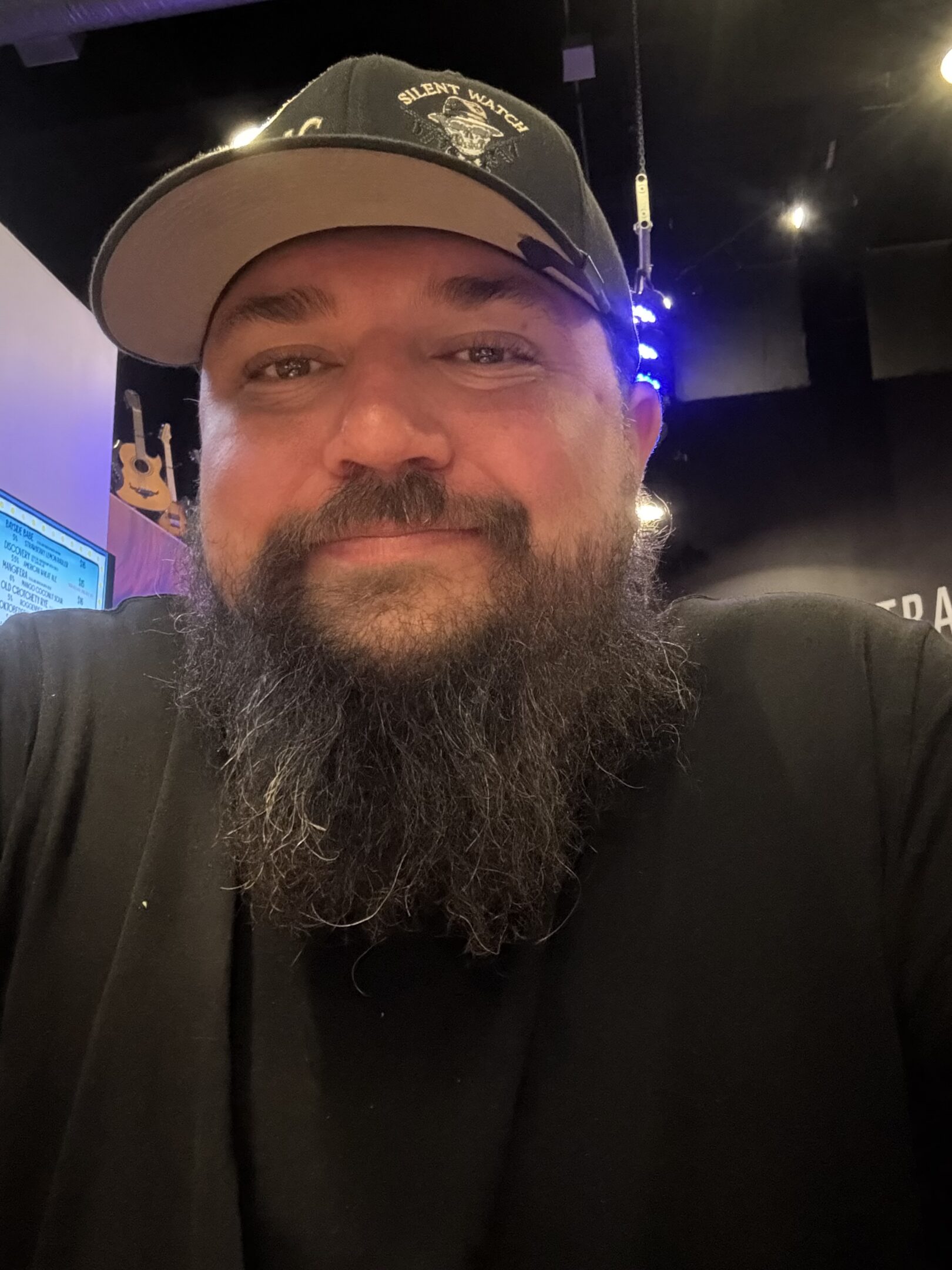 Retired from the fire service after 22yrs total with 17 of them being career. I was heavily involved in Hazmat which helped me with the love of chemistry and beer brewing. Started as a home brewer and then once my career ended early due to Mental health issues I got hooked up with a fellow home brewer who started a small brew pub. Spent a couple of years with them before moving to larger production brewery. That lasted a year before leaving and finding my home at Tradition Brewing. I’m also involved in a motorcycle club who focus is to support our military and first responders with mental health. I have been in some of the darkest holes and was able to climb out and I don’t want anyone to ever feel as alone as I did going through my stuff.
Erica DeAnda-Reyna - Brasserie et cuisine Tumbled Rock
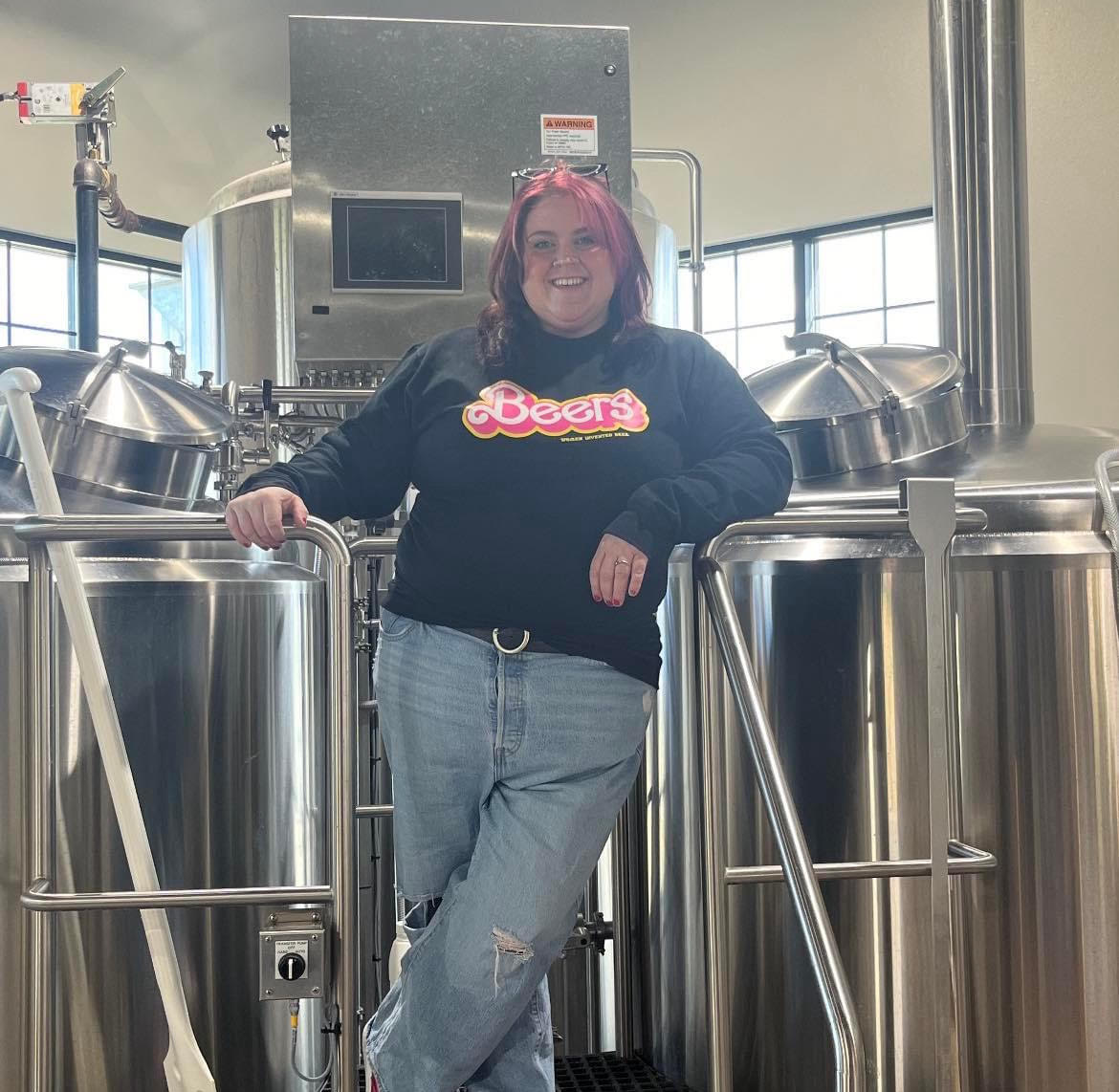 I have been the one and only Head Brewer at Tumbled Rock for the past 7 years. I was born and raised in Northern California, and moved to Wisconsin 9 years ago. I first got into brewing by waiting tables at an upscale brewpub in the Ports of Oakland, it was there I learned about good, craft beers and fell in love with brewing. I managed a taproom in San Francisco, worked packaging at a big commercial brewery, and worked an assistant brewer under a woman-lead brewery in Redwood City. I moved to Wisconsin and worked at Octopi as a hot side brewer before moving to Tumbled Rock where I helped to open TR. I have been here ever since. I have been involved with the Pink Boots Society as not only a member but Wisconsin Chapter Leader and served on the Cider Committee. I also served as Secretary, Vice President, and President of Master Brewer’s of America District Milwaukee. And I am currently on the Craft Beer Professionals Advisory Panel. Beer is not only my passion, but my life.
Katie Muggli - Ingrédient infini
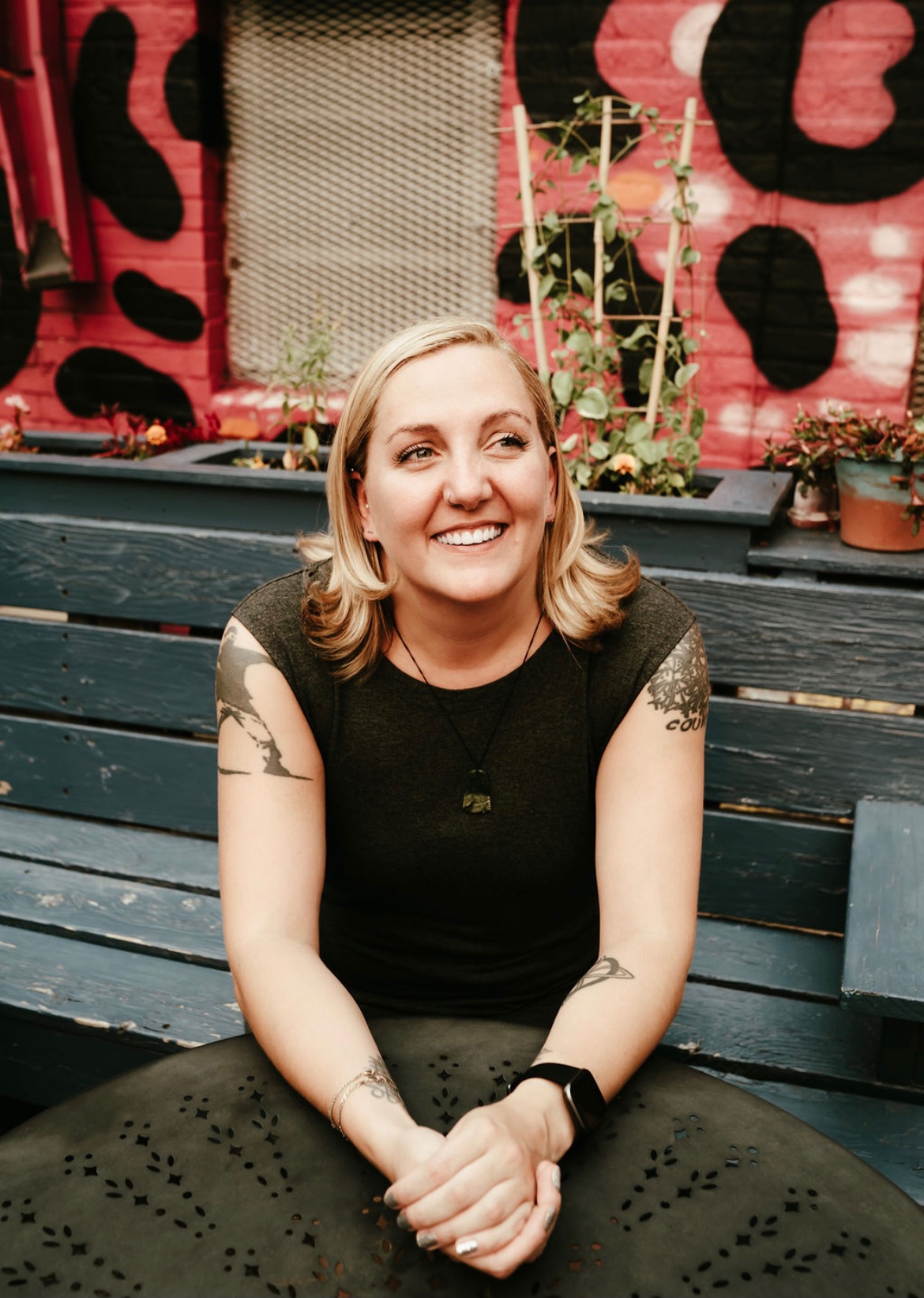
Katie Muggli (she/her) is the Founder and Executive Director of Infinite Ingredient, a nonprofit whose mission is to actively support the mental and physical wellbeing of individuals working in the craft beverage industry through outreach, education, and access to resources. With over 20 years of experience in hospitality, craft beverage, and hemp, she is passionate about creating conversations that challenge the status quo and inspire actionable change. She has her M.A. in Liberal Studies from Hamline University and Women in Leadership Certificate from Cornell University.
PLUS ÉPISODES
SAISON 7, ÉPISODE 13 : Parlons santé mentale dans l'industrie brassicole
ANIMATEURS DU BALADO :
Cait Schut – Directrice du marketing et des communications, Country Malt
INVITÉS DU BALADO :
Katie Muggli – Fondatrice et directrice générale, Infinite Ingredient
Matthew A Spencer – Brasseur, Tradition Brewing
Erica DeAnda-Reyna – Brasserie et cuisine Tumbled Rock
Au-delà de la bière : Prioriser le bien-être mental dans l'industrie des boissons artisanales
Le secteur des boissons artisanales repose sur la passion, la créativité et un fort esprit de communauté. Mais en coulisses, les longues heures de travail, les horaires exigeants, l'épuisement professionnel et la pression liée au travail dans le secteur de l'alcool peuvent avoir des conséquences néfastes sur la santé mentale.
Dans le dernier épisode du balado BrewDeck , l'animatrice Cait Schut, directrice du marketing et des communications chez Country Malt, accueille trois professionnels de l'industrie pour une conversation ouverte et honnête sur le bien-être mental, la neurodiversité et la création de milieux de travail plus sains et plus inclusifs.
Se joignent à la conversation Matthew Spencer , brasseur chez Tradition Brewing ; Katie Muggli , fondatrice d'Infinite Ingredient ; et Erica DeAnda-Reyna , brasseuse en chef chez Tumbled Rock Brewery.
Ensemble, ils partagent leurs expériences personnelles, des conseils pratiques et des ressources précieuses pour aider la communauté des boissons artisanales à mieux se soutenir mutuellement.
Points clés de l'épisode
1. L'épuisement professionnel est un défi qui touche l'ensemble du secteur.
Les longues heures de travail, les exigences saisonnières, les pressions financières et la consommation fréquente d'alcool peuvent mener à l'épuisement professionnel. Reconnaître les signes avant-coureurs et favoriser un meilleur équilibre entre vie professionnelle et vie personnelle sont essentiels pour préserver le bien-être des employés.
2. La sécurité psychologique commence par le leadership
Créer un environnement de travail bienveillant ne nécessite pas un budget colossal. Des gestes simples, comme prendre régulièrement des nouvelles des employés, les écouter sans jugement et leur permettre de demander de l'aide, peuvent faire toute la différence.
3. La neurodiversité mérite compréhension et inclusion
Chaque cerveau fonctionne différemment. Erica partage son expérience personnelle avec l'autisme et le TDAH, soulignant l'importance de reconnaître les besoins individuels, de remettre en question les idées reçues et de créer des environnements où les employés se sentent à l'aise d'être eux-mêmes.
4. Soutenir ses collègues commence par une conversation.
Parfois, le geste le plus efficace est tout simplement de demander : « Ça va ? « Qu'une personne ait besoin de conseils, de ressources ou simplement d'une oreille attentive, témoigner d'une attention réelle peut contribuer à renforcer le climat de travail.
5. De petits changements peuvent avoir un impact durable
En encourageant les congés, en maintenant une communication ouverte et en mettant les employés en relation avec des ressources en santé mentale, les brasseries de toutes tailles peuvent prendre des mesures concrètes pour un environnement de travail plus sain.
C'est juste de la bière. Les gens passent avant tout.
Un message est ressorti tout au long de la conversation : aucune bière ne vaut la peine de sacrifier la santé mentale de quelqu’un.
La plus grande force de notre secteur a toujours résidé dans ses membres. En brisant les tabous entourant la santé mentale, en valorisant la neurodiversité et en nous soutenant mutuellement, nous pouvons bâtir une communauté de producteurs de boissons artisanales passionnée non seulement par ses produits, mais aussi par les personnes qui les rendent possibles.
Ressources pour le bien-être mental : Visitez Infinite Ingredient et la National Alliance on Mental Illness (NAMI) pour en savoir plus sur le soutien disponible.
Transcription - ÉPISODE S.7, E.13 : PARLONS SANTÉ MENTALE DANS L'INDUSTRIE BRASSICOLE
Cait Schut (00:10)
Welcome back to the BrewDeck Podcast. I’m Cait Schut Director of Marketing and Communications for Soufflet Malt, which includes Country Malt Group. I don’t often host the podcast, but today we’re talking about a special topic that is near and dear to my heart, which is mental wellness in the craft beverage industry. I’m honored to be part of this important conversation as we explore how we can better.
Support one another, foster more inclusive workspaces, and build a healthier community. We’ve got three wonderful guests joining us to share their unique perspectives, and I’m really looking forward to the conversation. Let’s get started.
Cait Schut (00:46)
welcome back to the Brunect podcast. Today we’re talking about an important topic that doesn’t always get the attention that it deserves in the craft beverage industry. We’re talking about mental wellness.
Our industry is built on passion, hard work, a really strong sense of community. but we have some really unique challenges. like I mentioned, we’ve got you know demanding schedules.
Burnout, working with the public, working in really busy environments, weird hours, and also, you know, obviously the pressures of alcohol. So today we’re going to open up that conversation with some folks that are also very passionate about this and explore how we can create, you know, a healthier, more inclusive environment and connect our community with the resources and support that they might need. So, like I mentioned, we’ve got some really
Matthew Spencer (01:35)
I’ll stop there.
Erica DeAnda-Reyna (01:34)
Bye.
Cait Schut (01:37)
great perspectives with these three guests that are joining us.
Matthew Spencer (01:44)
you
Cait Schut (01:41)
We’ve got Matthew Spencer, who’s the director of brewing operations at Tradition
Brewing, who will share his perspective on leadership and creative supporting creating supportive workspaces. We’ve got Katie from Infinite Ingredient, a nonprofit dedicated to supporting mental and physical wellness in the craft beverage industry. And we’ve got Erica, head brewer at Tumbled Rock Brewing Brewery.
Who will share her perspective on neurodiversity and inclusion, which are also two very important
Matthew Spencer (02:10)
.
Cait Schut (02:12)
things in our industry. So I appreciate all of you for joining us. And let’s get started with a couple of kind of introductions about your background. So, Matthew, let’s start with you. Can you tell us a little bit more about your role at Tradition Brewing and why creating a supportive workspace is really important to you as a leader?
Matthew Spencer (02:37)
Sure. I do want to clear the air. I’m not the director of brewing operations. I’m just the bruer. Andrew
Cait Schut (02:44)
I’m sorry about that.
Matthew Spencer (02:45)
and I, we’ve been working on it. You’re good. My boss is here. I’m like, I’m not going to take credit for his position.
We were, we’re a very tight team and we work well together. So it is all on one plate. but I did 20 years in the fire service. that’s where my mental health background came from because I retired early due to PTSD. And I’ll tell you a personal note, I had a failed suicide attempt in 2020, which ended my career early and got me involved in brewing. So.
I’ve always wanted to get back to what took away from me and that’s where I’ve been very involved with mental health awareness and with the service industry. Like you said, it’s a very challenging thing and we’re very subjective to substance abuse because we’re surrounded by alcohol all day long.
Cait Schut (03:30)
That’s great.
Katie, I’d love to hear more about Infinite Ingredient, what inspired the organization and how you’re working to support people in the craft beverage industry.
Matthew Spencer (03:38)
So
Katie Muggli (03:43)
For sure. well, thank you. I appreciate being able to be part of this conversation. first of all, I’m really excited to get to chat with you both. Erica and Matthew and Kate, thank you for having us and for inviting me to be part of this conversation. So I founded Infinite Ingredient in spring of 2021, coming off the heels of you know, off the heels as though 2021 the pandemic was over or something, but
really kind of rooted out of this you know, kind of insane uprooting of you know, the on-premise. I had worked in the on-premise with the craft brewery that I was with at the time, and really kind of felt personally like I was hitting a brick wall. And then that was kind of coupled with everything that came forward during the spring of 2021 with the kind of me too reckoning that came out of craft brewing at that time.
And looking at the industry, really realizing like, you know, we’re we’re driven by so much passion and so much dedication, but it also is not an industry that overall is benefits rich or has a lot of resources. There’s so much bootstrapping that happens, you know, a lot of things are month to month, week to week, and things like that, and especially during that time. so it was really important.
Matthew Spencer (05:06)
So,
to start with question. So I’m start with little bit introduction.
Katie Muggli (05:07)
And kind of inflection point for me personally. And I think just looking at the industry, going, how can we create, first of all, conversations? Because it really seemed like it was a taboo topic to talk about, you know, anything well-being related or mental health at that time. And really look at what are creative ways that we can get tangible resources into people’s hands.
in an environment where we’re
not resource heavy. So the mission for Infinite Ingredient is to actively support the mental and physical well-being of individuals in the craft beverage industry through outreach, education, and access to resources. So that’s really like the meat of of our mission and what we’re trying to accomplish.
Matthew Spencer (05:36)
Okay. Okay.
Cait Schut (05:58)
That’s great. Thank you. and Erica, tell us a little bit about your brewing background and what kind of inspired you to be part of this conversation around mental wellness, but also neuro neurodiversity in specifics.
Erica DeAnda-Reyna (06:13)
Yeah, so my name is Erica Deanda. I’m head brewer at Tumbled Rock in Baraboo, Wisconsin. We’re woman owned and woman brewed, which is really cool. I was diagnosed with autism and ADHD and OCD a few years ago after lots of bouts of no, it’s just depression. It’s just anxiety or you’re fine. Here’s some pills. You’re going to be fine. I finally spoke to my doctor and was like, girl.
I don’t think this is depression. These pills are not working. So I went and got evaluated. It was really hard, really long. I left and I cried because I felt like the dumbest person in the world. There’s a lot of pattern matching and here’s some numbers and do some math. And I’m like, wow, I…
I’m an idiot. But once I got the diagnosis, it was like, actually, I’m not an idiot. just my brain works in a completely different way than other people’s brain works. And it almost felt like I had to go through a mourning period for myself of like, my youth
Matthew Spencer (07:09)
you
Erica DeAnda-Reyna (07:10)
and all the things that I missed out on being undiagnosed as a teenager as a child.
Matthew Spencer (07:13)
So.
Erica DeAnda-Reyna (07:18)
But I am really grateful that I’m diagnosed now at 36 years old and that I can kind of
talk about it openly. Like Matthew, I really appreciate your vulnerability and being able to talk about it. think not enough men are talking about it. And Katie, I’m also a big fan. I’ve actually taken a couple of your seminars at like CBC and stuff. So big fan of your work as well. And I just think it’s important because like you said, there’s access to alcohol. It’s so easy for us to mask with alcohol. I know that’s how I’ve gotten through multiple beer events by throwing them back and then I’m drunk and I’m like, woohoo, and now I can talk to people and have a great time.
Matthew Spencer (07:31)
Mm-hmm. Thank you.
Katie Muggli (07:35)
Mm.
Erica DeAnda-Reyna (07:54)
there’s also that line of like, but I don’t want to be drunk all the time. I’d like to actually just be a human being existing in my body and being with the public as best as I can. yeah, I’ve been in the industry for a little over 10 years now. And I’ve held multiple positions. I’ve cried a lot in breweries, not knowing that I was neurodivergent and being like, why is happening to me? So yeah, I think that’s, that’s about it for me.
Matthew Spencer (07:59)
I’m going to be able to do this. I’m going to be able to do I’m I’m be this. I’m to this. I’m going to I’m going to be
Cait Schut (08:19)
That’s great. Yeah, and I think that
really like underlines the importance of why neurodiversity and mental wellness go so hand in hand is that we have to understand those things about ourselves, but about our peers too, to create that safe space and that psychological safety and and kind of make sure that we’re all taking care of each other.
Matthew Spencer (08:29)
Thank you
Cait Schut (08:41)
so that’s that’s why this piece of it is just so important. So awesome.
Matthew Spencer (08:44)
Okay. Okay.
Cait Schut (08:48)
so kind of moving in a little deeper into it, kind of talking about the realities of mental wellness specifically in the craft beverage industry, you know, I think we all recognize that this industry has a lot of really great, wonderful, wonderful things about it. we’re very communic community oriented, but there’s some real challenges that we’ve obviously discussed, you know, being around lots of people and and alcohol and and weird hours. So you know, Katie, specifically through your work with Infinite Ingredient.
Matthew Spencer (09:12)
This is a presentation of the
University of College of
Cait Schut (09:17)
what are some of the most common mental wellness challenges that you’re seeing across the industry? and also are there any specific things that our industry does that makes those challenges specifically unique for us?
Katie Muggli (09:32)
Yeah, I mean, I think that’s a that’s a meaty question for sure. But you know, I think one of the biggest
challenges that we see continually is burnout. And it just seems to be this like continuous rolling period of you know, it’s get to the next season, right? Like you get through the slump of winter, especially in places that are seasonally driven.
and then like we just gotta get to summer. And then summer’s like, okay, we just gotta get through this to get to fall. And like it’s just these continual, like, well, like hopefully we can get there, right? And
Matthew Spencer (10:02)
you
Katie Muggli (10:12)
I think that that really leads to a lot of burnout in in and of itself, and then also to looking at like the really unique challenges that the industry has faced and is facing currently, you know, with rising costs and
Matthew Spencer (10:20)
Thank you. Okay.
Katie Muggli (10:29)
And things like that. And it’s it it really kind of becomes this like giant, you know, like world’s largest ball of twine of stress ball, where it’s like all of these different things feeding, feeding into itself. So, so burnout seems to be like, at least in in what I’ve seen and in my own personal experience in the industry, one of the most pervasive things and kind of one of the most
Matthew Spencer (10:44)
So,
Katie Muggli (10:56)
nebulous things to really try and tackle because it is intertwined with this you know, product, delicious as it is, beer. but it is, you know, it is alcohol and it is something that you’re engaging with, you know, sometimes on a good day, sometimes on a bad day, sometimes as Erica mentioned, you know, in order to be able to mask or like, man, I really don’t have the energy right now.
Matthew Spencer (11:17)
Yeah. Yeah.
Katie Muggli (11:22)
for this, but you know, like maybe if I have a beer, I’ll perk up and things like that. So, so that seems to be like really one of the most pervasive things that I think I’ve seen and just conversations that maybe previously were you know, kind of had more in those kind of corners at events and is now becoming a little bit more of something that people are really willing to talk about and really willing to look at.
Cait Schut (11:51)
Absolutely. and kind of, you know, I’d love to hear Matthew’s perspective, you know, from, you know, working in the brew house and and helping to lead the brew house, you know, how are these pressures showing up specifically, you know, in the operations behind a brewery? And, you know, what are some things that managers might not always recognize when it comes to how their employees or their staff are are doing? How do how do we kind of recognize when employees are maybe experiencing burnout?
or things like that.
Matthew Spencer (12:23)
The best thing I can recommend on that, and this comes from my time in the fire service, know your employees. Don’t treat them as a number, know who working for you, know their background. Cause you know, you can see somebody every day and may not see those subtle changes, but if you see somebody that you haven’t seen in six months, like, wow, person’s a lot different now. So.
I always try to tell my guys before and I tell them now like we know each other. My whole production team, we know everything about each other and we do health checks every other, every day, every other day. if I go in and I’m having a bad day, they recognize it pretty quickly. Same for me. and we see it also with our bar staff or front of the house staff. You know, we always stay over after any afternoon to have a shift beer, whatever you can see those changes in your bar staff. Have that one-on-one question with them. Hey, what’s going on? You know,
need to chat about it. Where a lot of mistakes are made in my opinion are is if you don’t know how to address the question, you gotta be very cautious because if somebody is having a mental health issue, the wrong thing can trigger them in the wrong direction. And that’s one of the things I’ve been trying to do lately is attend more classes to get that more peer support ideology of it and figure out the right way to approach something.
Cait Schut (13:37)
Awesome. That’s great.
Erica DeAnda-Reyna (13:39)
Thank you.
Cait Schut (13:41)
Erica, I’d love for you to kind of share your perspective on this as well, specifically
Matthew Spencer (13:42)
you.
Cait Schut (13:45)
around, you know, the pressures and challenges that neurodivergent individuals might feel feel specifically in the brewery
Matthew Spencer (13:49)
It’s just here.
Cait Schut (13:51)
environment, and ways that maybe coworkers or managers may not recogn, you know, easily recognize those things.
Erica DeAnda-Reyna (14:00)
Yeah, think, you know, there’s, was, when I worked at a big commercial brewery in San Francisco, there was a time where I was told I was leading a charge against somebody because I didn’t understand why like, their station wasn’t cleaned up after they left and why they weren’t getting their work done. And I was having to come in and pick up the slack and instead of being like, let’s ask.
person be why things aren’t being done, we’re going to go to you and you’re inciting a mob mentality against this one person. And it was like, I didn’t understand at the time, like how, you know, it like that like social justice warrior, like, why, why am I being reprimanded for something that I’m not doing? I’m cleaning up after this human. And I think that’s kind of where it lies is like, there’s, when you’re neurodivergent, it’s
Matthew Spencer (14:31)
I’m
Erica DeAnda-Reyna (14:51)
I like my brain’s kind of like all over the place. I just got back from like traveling for like a month, so I’m so tired. So I apologize if I’m like, but.
Matthew Spencer (14:56)
you you
Erica DeAnda-Reyna (15:05)
I think that there’s no recognition because a lot of times when you work at a commercial brewery, you are a cog in a machine. And even though people look at brewing as like it’s a novelty job, it’s so cool, it’s so fun. If you’re at a big place and there’s 20 of you on staff, like you said, Matthew, a lot of them treat you as just a member.
Matthew Spencer (15:20)
I’m my battery. I’ve got y’all.
Erica DeAnda-Reyna (15:35)
So I think it’s just, I think owners and managers and leaders can kind of start, like Matthew said, like to piggyback off that, recognizing when their employees are burnt out. You’re coming into work and you’re looking tired every day. I’m not going to be like, hey dude, you’re kind of looking a little.
like Haggard, it’s like, hey, you look like you need a coffee. Are you okay? Like, I think there’s a lot of room for people to ask those questions to your neurodivergent employees without being like, hey, you have ADHD. Are you okay? Do you need to go? it’s, it’s really nuanced,
Cait Schut (16:10)
mentioned.
Erica DeAnda-Reyna (16:11)
Yeah, I think instead of like going up and asking your employees checking in with them, making sure they’re okay. Like, hey, it looks like you’re kind of having a hard day. Is everything good? Do you need a coffee? Do you need a sit down for 10 minutes? There’s a lot of room to ask even non neurodivergent employees if they are okay, if they need space. And I think also to like what Katie was saying, my brewery is a seasonal brewery. We are right outside the most visited state park in Wisconsin. We see very high volume in the summer, spring and summer are
bread and butter times and we are full send during that time. And then in winter, we actually closed down for a week and employees are paid. There’s still hours to find if somebody would like, you know, to come in and work. But I think it’s really nice that they give us a week off instead of just being like, okay, well now it’s winter time.
Matthew Spencer (16:49)
So the form is a form of a community. And that’s what we’re to do. So we’re
a we’re going to community. And And we’re do a community. So we’re going do that. And that. do that. And we’re And we’re to that.
Erica DeAnda-Reyna (17:00)
We just now have to hunker down. It’s like, no, take time off, go on vacation, go sit in your house, do all the things. And then it kind of gives you that like, because everyone here is so burnt out after the season, it does give us a chance to like, just kind of
chill out and refresh our brains, rewire our brains. It’s really nice that I think that we have that and I think more places should do that.
Cait Schut (17:26)
Absolutely. I love what you said too about just checking in with people, regardless of whether or not they’re neurodivergent or they’re showing signs of of mental mental stress. I think it’s important for us to all remember that there’s a lot of folks that are undiagnosed because we are this generation that just kind of got glazed over and maybe, you know, weren’t di you know, diagnosed with some of these things or maybe we mask it really well and and you know, don’t always show it that we’ve had
Matthew Spencer (17:49)
Thank
Cait Schut (17:53)
you know, a rough day I always like to go into it thinking that like there’s a lot we don’t know about people and what they’re dealing with in their personal lives. And that’s kind of how I choose to lead, you know, my team on the marketing
Matthew Spencer (18:02)
you
Cait Schut (18:03)
team here at Souffle. So that’s great. So kind of moving into, you know, now we’ve we’ve discussed some of the unique challenges around our industry. I kind of want to shift gears and talk about how do we create, you know, healthier, support more supportive work workspaces.
Matthew Spencer (18:10)
Okay. you
Cait Schut (18:19)
one term that I hear a lot and I had never really heard it before until I started working at Country Malt Group slash souffle malt was the term psychological safety. and when somebody has said that to me, I was like, wow, that’s such a powerful term because it’s not always just about physical safety, you know, in the production facilities and things like that. It’s also psychological safety and making sure people feel like they can go to their manager when they’re having a hard time and and things like that. So
you know, Matthew, what does psychological safety, you know, mean to you and look like to you in the brewery? how do you maybe create an environment like that where employees feel safe and comfortable to make mistakes or, you know, ask when they need help?
Matthew Spencer (19:05)
Hi.
I’m going to be honest with you on boss, my owner probably hate when he hears this, but in the days with beer, it’s not that serious. You know, we focus on making a great product, but we’ve all, most of the people that work in our production facility have done other jobs that lights were on the line. And at the end of the day, it’s just beer, doing morning check-in, you know, daily check-in every other day, whatever, however you see the people, just letting them know. the other thing is to understanding what the background of the employees are.
Where for me, loud noises are something that affects me. So whenever we’re about to drop a pallet or something like that, Kevin, my boss will be like, hey, loud noise or water. So we don’t freak out. And where’s that noise? know, because that will shut somebody down in the heartbeat that has those elements that are triggers. So it’s just honestly, it’s trying to figure out how to recognize what’s in your own house and your own brewery and recognize the people you’re working with and understand their background.
And if it’s requires maybe, Hey, let’s go have an offsite location somewhere and talk one day. That might be all the is needed to make sense.
Cait Schut (20:17)
Yeah. I love what you said about it’s just beer. I know it’s probably like it’s hard for people to to hear because we’re all so passionate
Matthew Spencer (20:25)
reason.
Cait Schut (20:25)
about what we do. But when I worked at the the hop industry, I said the same thing. I was like, it’s just hops, guys. We’re not curing cancer. And same thing working at the malt company. It’s just malt. Like it’s important obviously for our customers, but it’s not important enough to
you know, ruin somebody’s day or make them feel really down on themselves. So I think that’s really important for us all to remember. We’re passionate about it, but it’s not it shouldn’t, you know, take over our our mental health. So Erica, from your perspective, you know, how important it is, or how important is it that, you know, your neurodivergent employees, you know, have that sense of psychological
safety, you know, especially when it comes to communicating their needs or simply feeling comfortable being themselves at work. you know, how how do you help to kind of foster that in your in your brewery?
Matthew Spencer (21:14)
Okay.
Erica DeAnda-Reyna (21:20)
I have an open door policy. I am the only, right now I am the only brewer here. And then we have got about 90 employees. So I’m the only one in my department. And then we have all of our servers, our cooks, our hosts, our bussers. And we’ve been, we just celebrated our seven year anniversary and
Matthew Spencer (21:26)
Okay.
Erica DeAnda-Reyna (21:42)
most of the people who work here have been here since like day one.
year two, we have a very low turnover rate because our employees stay for so long because of how comfortable the environment is here. I hate when people are like, no, we’re really a family, like we’re a restaurant, but we’re really a family because it’s like that’s more than likely not true. But the Tumbled Rock mentality is we are a family. look out for each other. We’re constantly we hang out together outside of work. We have employee parties. We do bus trips before the summer starts. And I think that’s one of the things that is like
Matthew Spencer (22:13)
Okay.
Erica DeAnda-Reyna (22:15)
really important that Michelle Kohler, the owner, has really fostered an environment where people feel like they can be themselves. She hires people, you know, even with no experience because they have these bright, vibrant, great personalities. And she even has employees who have worked at her other restaurants who followed her here. And so I think that really speaks to how she is as an owner and just really fostering an environment of
psychological safety. We never, if an employee is like, I can’t come to work today, my child is sick, or I’m not having a good day, something’s wrong. It’s never like, well, you need to find somebody to cover your shift. We are like all hands on deck. Okay, don’t worry, we can move this person over here. And then we have a buster that we can bring in earlier and then come here.
Matthew Spencer (22:43)
Okay.
Erica DeAnda-Reyna (22:57)
Because we fostered such a good environment, everybody is so willing to jump in at any turn. I mean, just have a new, we just promoted a new bar manager. And while I was, my father got sick and actually my owner paid for me to go home to see my dad while, you know, for a week. And
The bar manager jumped in and she pulled cakes for me and she was like, don’t worry about it. I’ll do the stocking. I’ve got it all while you’re gone. And it’s just creating that environment of like just being comfortable and not being, not feeling scared to go to work because I feel like that’s what a lot of people, it’s like you wake up and you’re like, my God, I’m dreading going in. So
Matthew Spencer (23:17)
Okay. Okay.
Erica DeAnda-Reyna (23:30)
fostering that environment of being comfortable, being able to say, Hey, I’m not okay today. I really need a break. No worries. We’ll, we will cover it for you. That’s why we have managers. That’s why we have a staff who’s willing. And I think that’s.
really like a big key of that psychological safety is instead of like punishing and reprimanding for not showing up or not being able to come into your shift it’s like no we got you you’re good you still have a job you’re gonna be fine you need a couple days off you’re good you’re gonna be okay
Cait Schut (23:58)
Great. and Katie, I’m I’m wondering if you have any advice that you might give to, you know, coworkers and how they can kind of play a role in all of this. You know, if somebody notices that a colleague might be struggling, you know, how can they check in and offer support without feeling like they are overstepping overstepping? You know, I know that’s always kind of
Katie Muggli (24:20)
Mm-hmm.
Cait Schut (24:21)
a concern is like I don’t know this person that well, or or I don’t want them to think that I’m being disrespectful.
you know, what are some ways that maybe they can support their colleagues appropriately.
Matthew Spencer (24:45)
Okay.
Katie Muggli (24:33)
Yeah, that’s a great question. I think one of the biggest things is you know, asking folks. I know a lot of times, you know, even especially like if you’re talking with coworkers or people, you know, who are in the same position as you or same department, things like that, if you are facing issues or if that person themselves is facing issues, just really being able to ask,
like, hey, do you wanna like
Do you want to talk about this? And do you want like, and what do you want my role to be in talking about this? Do you want me to help give advice? Or do you want to just let it out? Like, do you want to just like do you just need somewhere to set that? Because I think that really it’s something that I’m trying to incorporate more into my own life because I’m always the person to be like, okay, so here’s what we can do, and then you can do this, and then you can do this. And I’m always like this, like wanting to jump in with helping, which
Matthew Spencer (25:01)
Okay.
Katie Muggli (25:25)
is you know great and helpful, but only in some instances. where sometimes people where that’s like a level of overwhelming. It’s like, I can’t, I just need to let this thing out that even is an issue. I’m not I’m nowhere near like, you know, a mile marker that says it’s time to start tackling this. And so I think being able to parse those things apart. And then especially if it’s someone you know, maybe you’re not overly close with or it’s a newer employee or
Matthew Spencer (25:53)
Okay.
Katie Muggli (25:55)
Something like that. you know, I think just just being really open and really candid with them and saying, hey, like I know we’re not overly close, but I noticed XYZ. Like if you’re comfortable sharing whatever that thing is, that’s making your brain go, hey, is this, is this, is there something going on here? and just saying, you know, hey, we’re not overly close, but I noticed you didn’t, you know, do this one thing today. you know, like.
How, you know, like how are things going, you know, and what’s going on? And and because I think that is something that really helps
Erica DeAnda-Reyna (26:29)
So, I’m going to ahead and start the
Katie Muggli (26:32)
people to feel understood and seen and go, my God, you know, I’m I’m normally so good at masking, you know, if I’m having a bad day or always trying to be positive because I am leading a team and being able to feel seen and understood in that instance, and and knowing that.
that other folks do understand you and how you work, I think can really help
Matthew Spencer (26:52)
you
Katie Muggli (26:56)
open things up. And I think, I think it was Matthew earlier that had said, and I think even Erica as well, you know, just if you’re facing a conversation with someone who’s really in a difficult space, being able to acknowledge like, I’m not, I might not be qualified to help.
you know, find all these solutions and answers for whatever it is that you’re facing, no matter how big or small it might be. but would you be willing to let me help you figure out someone who is qualified and someone who can, you know, some sort of next step, some sort of resource, and be able to identify yourself as you know, someone who’s able to to help uncover some pathways forward because when you’re stuck in those deep dark clouds of whatever it is.
Trying to find, you know, there might be a resource right in front of you, but like you might need someone else’s hand to help bring that forward into your own hands. So
Cait Schut (27:57)
Yeah, totally agree. Matthew, I kinda wanted to ask, you know, we’ve been talking a lot about, you know, how how we can support people, how we can kind of, you know, show them a little grace when they when they need it. but we all understand that breweries come with, you know, very you know, high demands, you know, maintaining expectations and, you know, accountability
Matthew Spencer (28:10)
you
Cait Schut (28:20)
to run the brewery. You know, at the end of the day it is a it is a business, it’s an operation. How do we balance
you know, the need to to run the brewery or run the business, with, you know, the need to you know, provide people with mental health support or give them a little bit of grace when they need it. How do we do you have any advice on how to create, you know, kind of that balance?
Matthew Spencer (28:43)
It really only yeah, it’ll come back to here work with your team. We’re a three person production team in the back and. I’ve had this past year. I’ve had a lot of greats. needed myself going through the boards, having to move out, finding a place to stay, you know all those things and I will say my two coworkers in the back of them phenomenal Matt. And we.
Plan a lot of trips, know, do trips or whatever. And we always make sure one of us has the cover. We try to stay around the brewery, but me and those expectations, the biggest thing is don’t, don’t stretch yourself too tend to begin with, you know, always have to have you give yourself grace in the period of production of anything. Yes. Demands are going to be high at times, but plan that out. You know, planning goes a long ways in the brewing side of things. Our brew schedules planned out seven, eight months in advance.
So we know what’s coming up and yes, are those hectic days where we’re there for 10 or 12 hour days, but then the next day it’s an easier day and we adapt to that. One of the things I love about my boss, when I first got hired, I’ve been with this brewery for two years. He goes, we’re a task-oriented brewery. know, if you, we don’t work eight to five. We work until the tasks are done, but we’re not killing ourselves to try to get done in an eight hour period either.
If it takes 12 hours, we’re going to suck it up, have a cold beer, eighth hour, and keep on pushing until the job’s done. So that’s the biggest thing. don’t set your schedule so tight that you don’t have a room for error. There will be mistakes. Murphy Law is always going to find its way to show up.
Cait Schut (30:27)
That’s great advice. Thank you. so I do want to kind of spend a just a couple minutes before we, you know, kind of bring this to a close, talking specifically around, you know, neurodiversity, you know, you know, specifically. Erica, I’d love to know, you know, a lot of folks may not understand what that means. I know it’s something that makes up a huge part of my life and yours, but there’s a lot of people that don’t know what what is neurodiversity.
so maybe can you explain for for folks that are listening that may not be familiar, you know, what neurodiversity means, but also maybe some common misconceptions that people have about neurodivergent individuals.
Matthew Spencer (31:04)
Okay.
Erica DeAnda-Reyna (31:08)
I think it’s, well, I always find it interesting when people call it a superpower because I feel like it does serve me, but it also doesn’t serve me in certain ways. so I wouldn’t necessarily
Matthew Spencer (31:17)
you
Erica DeAnda-Reyna (31:19)
call it, I personally just wouldn’t refer to it as a superpower. It’s just a part of my life. neurodivergence is just people whose brains are a little bit different and there’s different levels to it. You know, I’m level one autistic, so I do need a little support in my life.
when it comes to managing my household, my bills, things like that. And with my work too. And then with ADHD, it’s a lot more, there’s a couple different, well, different types of ADHD too, where there’s like the inattentive and then the attentive, I’m inattentive, mine is all inward. So, I think that’s why a lot of women are also misdiagnosed because the symptoms are so different.
based on who you are. So neurodivergence can look different on so many people. I had someone recently say, how are you autistic? You’re making really good eye contact. And I’m like.
Cait Schut (32:13)
Mm.
Erica DeAnda-Reyna (32:14)
Well, I just because I’m one first of all, I’m staring into your soul.
Cait Schut (32:17)
Ha ha ha.
Erica DeAnda-Reyna (32:18)
Because I’m not blinking. So you know, but it’s because I’ve had a lot of practice and I’ve masked my whole life. And I think just, you know, it’s
It’s just your brain just works in a different way. You see things in a different way. You’re a little bit more maybe sensitive to light, sound.
Matthew Spencer (32:38)
Okay.
Erica DeAnda-Reyna (32:43)
textures, things like that. And you just need a little more support sometimes. And that’s really all but it’s, I don’t think it’s anything that like, you know, no one can come into work because you are artistic or you have ADHD or you have depression or you have anxiety. We should all be able to take care of each other and with beer being such a sense of community, we should be looking out for each other, neurodivergent or neurotypical. We should all just be looking out for each other.
Cait Schut (33:10)
Absolutely. Yeah, and just coming from a parent of of an autistic son, it’s really important for people to remember that it’s not a linear pr spectrum. It’s it’s it’s all over the place. It’s more like you know, like a a a wheel of different types of you know, traits or and things that are maybe more profound than others. And and so I think it’s important for people to remember that, you know, one if I’ve heard something where it’s like,
Matthew Spencer (33:17)
you you
Erica DeAnda-Reyna (33:18)
Thank
Cait Schut (33:38)
If you’ve met one autistic person, then you’ve met one autistic person. There is no one like that single person. and so really there it’s very difficult to identify, especially in women, because women mask it so much differently and so much better. and the the traits show up differently in women than they do in men. So that’s definitely important.
Matthew Spencer (33:53)
Okay. Mm hmm.
Erica DeAnda-Reyna (33:44)
Thank you.
Cait Schut (34:02)
Katie, is there anything that you know, Infinite Ingredient offers that, you know, maybe would specifically apply to or help out the neurodivergent community in the craft community or anything that you want to mention in this specific space?
Katie Muggli (34:18)
For sure. resource-wise, so we have a resource page. and there are a handful of you know, kind of things that are covered that would go into that space of being able to help support folks who are neurodivergent. the other thing I want to highlight is that there have been some really, really amazing sessions at CBC w in the last several years, whether or not you’ve been able to attend.
they do keep those you know, kind of like recordings and then also the slide decks are available. I think it’s up to like five years that they’re available on the BA’s website. So if you have access to that, two of them specifically I wanted to highlight Brewing on the Spectrum is from 2023 in Nashville. I attended that session. It was absolutely incredible.
super informative, super just just honest and real and wonderful. And and then also from 2024 in Vegas, there was what lies beneath understanding invisible disabilities in your brewery and tap room. both of them Linda Van Loon was part of and she’s
Matthew Spencer (35:24)
Okay.
Katie Muggli (35:40)
just absolutely incredible. I like well kind of like fangirl just about the way that she
Matthew Spencer (35:40)
you you
Katie Muggli (35:45)
you know, talks about her own experience, but then like makes it makes it really accessible in way of being able to provide support. And I think one of the biggest things, and I will always come back to this and it always sounds more simple than it really is, is just having the conversations, being willing
to even, you know, look into these resources and understand that this is something that you can dig further into.
Erica DeAnda-Reyna (36:13)
.
Katie Muggli (36:15)
is really I think the first step because I think oftentimes people are, you know, it’s really easy to get stuck in, especially from, you know, a leadership perspective, or manager perspective of like, well, this is how our culture is. And then you think that like
Matthew Spencer (36:16)
Okay. Okay.
Katie Muggli (36:30)
you just like you said it and forget it. and this is, you know, this is just how we are. And so it’s really easy for that to become like a very passive
Matthew Spencer (36:35)
Okay. Thank
Katie Muggli (36:43)
Portion of the program instead of active. And so, you know, not to overly simplify it, but but just even understanding that there is understanding to be had, I think is really is really the first step. So I would highly encourage folks though to dig into those resources that are available through the BA. And then this is actually a really good reminder for me to go through and audit on our resources page.
For infinite ingredient, you know, just like what are things that we can add and have in there? And right now, that resources page is comprised of kind of more publicly available resources. I would say. a lot of the BA stuff is behind a paywall since they are a trade organization. But I think, you know, this is this might be a really good opportunity to kind of compile some of those things and put them on there so folks can just
direct link into and then log in. So I spy a new project for myself.
Cait Schut (37:43)
That’s great. I love that. I love that it’s inspired so many things. That’s awesome. so one thing before we kind of wrap up or or you know, close out, one thing that I really want people to take away from today’s conversation is that, you know, creating a healthier workspace or a more inclusive workspace doesn’t necessarily require a huge budget. you know, it’s one thing that we always make sure comes through in our
Matthew Spencer (37:50)
Okay.
Cait Schut (38:07)
BrewDeck podcast when we’re off when we’re talking about, you know, marketing or social media or or advertising or things like that, is we understand that breweries are under such strain right now when it comes to budget. And we want to make sure that, you know, people understand that there’s ways to go about this without having to have, you know, a huge budget or you know, a complete overhaul of how a business operates. so one thing, you know, I want to talk about is like how we can make these like small changes throughout.
you know, our day-to-day life and operations and business. so Matthew, you know, for specific or for smaller breweries you know, that may not even have an HR department or a lot of resources, what are one what are you know two or three things that you think you want listeners to take away from this of what they could implement in the brew house easily tomorrow that might make a difference?
Matthew Spencer (39:05)
I think, and I’ll I want to go back to a story we learned about a few weeks ago at the Virginia Crafts Guru’s Conference because mental health is a very important situation and the
service industry that we need to have a plan in place. So something does happen, if one of our coworkers does take the ultimate sacrifice and hurt himself or even a loved one of the family gets hurt or something like that. We are a very tight knit group and it’s going to not affect one employee, probably going to affect all of us because we are a tight family. Having a plan in place, maybe even reach out to therapists, may not ever retain her, but having a connection to a therapist that we can call in immediately.
So we can start getting a debriefing help or true condition to help that process immediately because we’re going to want to give our employees time that they need to grieve. But at the same time, we got a business to run, so we need to get back on track. And it’s a dicey line. It really truly is. But I’ll tell you, going through a lot of therapy with everything I’ve been through, they are all the same, just like you were saying earlier with all significant children.
all therapists are saying if you can find one that has ever worked in the service industry, they’re the best ones because they understand where we’re coming from.
Cait Schut (40:23)
Yeah, that’s so true. finding somebody who has that experience in the service industry is very important.
Matthew Spencer (40:31)
Yes.
Cait Schut (40:32)
Eric Erica, what what advice specifically would you give to maybe a neurodivergent individual that feels that they aren’t being supported at at work? Advocating for yourself is very difficult sometimes. so what advice do you think that you would give them to
Matthew Spencer (40:34)
In the early days, I think we’ve seen a big increase in the number of people that came in with female participation in 16 months. So, we’re going to move to the next slide. Thank you.
Cait Schut (40:51)
You know, and how how they should advocate for themselves in the workspace.
Erica DeAnda-Reyna (40:56)
Finding a safe person at work, even if it’s just one safe human being at your job that you can lean on and say, hey, here’s what I’m going through, here’s what’s happening. Can you help me advocate for myself? Can you come with me to HR? Can you come with me to the owner? Can you come with me to manager? Can you come with me as a safe person that I can lean on? I think that is so important. And when I worked at Octopi down in Wanaque, I was the only woman on a team of six.
Matthew Spencer (41:13)
Okay. Okay.
Erica DeAnda-Reyna (41:25)
those guys, the way that they rallied around, before I even knew I was neurodivergent, before those guys rallied around me and constantly were like supporting me and just like, know, my hours would get screwed because I was the nighttime brewer and they were like…
Erica’s working 14 hour days while we’re all going home and you we need to change some of this. Finding, I think just finding somebody that can rally with you is a huge thing. Those guys are still some of my best friends to this day just because of how they stuck by me and stuck up for me to manager. So I think that’s like one of the biggest things that I could say is like, and keeping lines of communication open and just keep, if manager’s not listening to you, who’s above manager?
Matthew Spencer (42:00)
But we’re going to be free.
Erica DeAnda-Reyna (42:12)
Who’s above keep going till you can find the above person. And unfortunately, if they can’t give that to you, I’m a big proponent of then find something else leave because at the end of the day, like Matthew said, I’m a big, I’m like, it is, it’s just beer. I tell my husband, he also works in the brewing industry and he comes home and he’s all stressed. like, it’s just beer. I was just talking to, I believe his name was Mike. was at a Malton, brewery, school just yesterday and we were chatting, and he works for Docfish head and he goes, yeah, we’re not making like
Matthew Spencer (42:30)
Thank you. Thank
Erica DeAnda-Reyna (42:42)
insulin or anything, no one’s gonna die if they don’t have a beer out on time and that’s how my philosophy is. It’s at the end of the day, it is just beer. We will be fine if it doesn’t get brewed today. We can always do it tomorrow. So I think just really communicating
Matthew Spencer (42:42)
you.
Erica DeAnda-Reyna (42:57)
and being authentic I think too is I think really hard for a lot of people especially when they are masking. So just you know letting your…
Freak flag fly, so to speak, and being yourself, being authentic.
Cait Schut (43:08)
I love that phrase.
Erica DeAnda-Reyna (43:10)
Yeah, just be authentic and you will find your people. Like that was a big thing is it when I worked in San Francisco, those weren’t my people and that’s fine. I found my people here in Wisconsin and I love them and I appreciate the support. So I think that’s the biggest thing. Find your tribe.
Cait Schut (43:26)
Yep. Yep. Absolutely. I’m I’m the the director of marketing at Soupla malt and I am a very weird leader and they just embrace that about me and that’s fine and and you know and I think it’s important for people to realize that they can manage a team but also be weird. So that’s fine. Katie, I know we talked a little bit about you know, resources on your site that are more specific to neurodivergent individuals, but
Matthew Spencer (43:42)
you Okay.
Cait Schut (43:54)
Are there any resources on your
site that you also just want to call out in general that are available on this on your site? you know, for for anyone who might need be looking for, you know, mental wellness resources for specifically for those in the craft beverage industry?
Katie Muggli (44:10)
For sure. I and as Matthew was talking, I was like, I had to write this down. so I don’t forget, but this question leads perfectly into it. so one of the things that I would really encourage you know, brewery leaders, managers, folks who are looking to, you know, maybe help build those plans, those systems, in order to be able to have that support is looking into your local
Matthew Spencer (44:35)
Okay.
Katie Muggli (44:39)
state and some states if they’re larger might have you know kind of sub subdivisions of it but your local NAMI chapter so it’s N-A-M-I and it stands for National Alliance on Mental Illness. they
Matthew Spencer (44:40)
Okay.
Katie Muggli (44:54)
are an absolutely incredible organization and they have really incredible resources and education resources that they have available. So
Matthew Spencer (44:54)
Okay.
Katie Muggli (45:08)
they do classes, they do God, I’m gonna forget the name of the training. but it’s like suicide prevention training. So being able to know and understand signs of that level of ideation and things like that, where people might be exhibiting intent in that way and ways to be able to you know, create conversations in safe environments and just general support, right? So
NAMI is a really I I can’t recommend them highly enough. They’re really incredible, robust organization. And some states have, you know, different things that might be unique to them. so I would really encourage folks to look up what they have going on there. So our goal someday, someday for infinite ingredient is to be able to provide access to mental health professionals.
Matthew Spencer (45:55)
Okay. Okay.
Katie Muggli (46:06)
via an employee assistance program available through us. We are not there yet. But someday our goal and our hope is to be able to offer, you know, kind of that direct through line to resources for folks. So we’re we’re still going to continue to work at that. We’re still going to continue to you know, get to the point where someday we can offer that. But for now, though I would really highly recommend NAMI as a great resource that is going to have specific
things to folks levels of states. So
Cait Schut (46:41)
Awesome. Thank you. so before we wrap up, I’d love to go around and just kind of get one final thought. I know this is a broad question and putting you on the spot. but so feel free to take your time, you know, thinking about it. But what is one change that you love to see the craft beverage industry make when it comes to mental wellness and inclusivity? what would that one change be?
that you’d want the craft beverage industry as a whole to make. let’s start with Eric.
Erica DeAnda-Reyna (47:18)
Health insurance. Health insurance.
Matthew Spencer (47:21)
You can do it.
Erica DeAnda-Reyna (47:22)
That’s like the biggest thing I think that we need. I talk to brewers all the time who are like, yeah, my back’s just blown out, but I haven’t been to the doctor in like three years because I don’t have health insurance. We need better access, especially because we use our bodies so much. We need better access to doctors, to therapists.
That’s, think, the number one change. There needs to be better access for all of us brewers, tap room employees, packaging employees, everybody to have better access to mental and physical care.
Cait Schut (47:56)
Yep.
Absolutely. I love that you knew exactly what you were gonna say. I love that.
Erica DeAnda-Reyna (48:00)
Yeah,
I was like, I don’t even gotta think about it.
Cait Schut (48:02)
Perfect. Matthew, what would you say for this question?
Matthew Spencer (48:09)
I meant to say it earlier and I’m glad we kind of came back to this. Having a hobby outside of the beer industry.
You have to have a hobby outside of what makes you money. My ride motorcycles, I’m part of a motorcycle club that’s nationwide for mental health for for exporters of the military. That’s my hobby. It’s kind of become a profession now, but it’s still a hobby. It’s something I can separate myself from the brewery and go do on my own. And I look forward to doing it. One of the mistakes I made when I was in the fire service is I’ve lived sleeping bread that freaking thing. And I never had a chance to separate myself from it. And that’s probably what led to what
happened in 2020 with me. So having an outside outlet away from the brewing industry is a key to a happier brewing or service life industry.
Cait Schut (49:00)
Yep, that’s great advice. Thank you. and Katie, what would you say is the one big change that you’d like to see the industry make?
Matthew Spencer (49:03)
So, thank
Katie Muggli (49:11)
I would love to see the industry really like take a look in the mirror and examine intent versus impact. and I kind of touched on it a little bit earlier when talking about, you know, that you know, think it, you know, with this is how our culture is, right? It this very prescriptive, like this is what we believe in, this is how we are.
Matthew Spencer (49:11)
Yeah, we did.
Katie Muggli (49:39)
That’s that’s an incredible and great thing to have, but you have to also see what that impact is because if those things aren’t lining up, you’re gonna be able to glean a lot of information. And that is something that, you know, I think really deep diving into whether or not that impact is there is is something that I think causes a lot of friction that leads to.
a lot of the burnout and things that are there and maybe some of that cognitive dissonance of, you know, why, you know, this is this is how it is here, but I’m not feeling that way. And it’s like, well, that’s perfectly valid and true and real. So you know, for leaders to really, really take that to heart and really understand that intent versus impact. and and and kind of like the second piece of that would be
you know, really taking a real look at turnover and what that tells you. I think that’s something in the industry that is not often talked about and not often you know, really looked at or understood with more than like, you know, it’s cool, we’ll find, you know, XYZ person, or we have a laundry list of folks who want to work in our tap room, or you know, of course people want to work here because it we’re XYZ place. And so
really understanding what that means because, you know, there’s the cost portion of it. but it also is, you know, that if if folks are experiencing burnout and they are leaving because of that, and they’re leaving that environment, that’s not a failure on that person, that’s a failure on the part of that environment. And and, you know, the American Medical Association, you know, recognizes that burnout is is part of an inv it’s it’s a cause of environmental factors. It’s not
Matthew Spencer (51:04)
Thank you. Thank you.
Katie Muggli (51:28)
some sort of failure on that person. So so I think really looking at like kind of those two things as they interlock and as they intertwine, I think would really be able to help unlock you know, some really amazing steps forward and amazing ways of being able to create these environments that we all want and some of us, you know, have and cultivate every day, but be able to bridge that gap.
Matthew Spencer (51:32)
Okay. Okay.
Katie Muggli (51:56)
maybe where those things aren’t in existence already.
Cait Schut (51:59)
Yeah, absolutely. well, I do want to say thank you all for for being here and sharing your perspectives and being vulnerable. I know it’s not an easy topic to talk about, but I feel like it’s just so important and I’m just so glad that we can have this space to kind of talk openly about it. at the end of the day, you know, our industry is about the people. and that’s what makes it so special. so creating, you know, a healthier, more inclusive.
you know, community really starts with being willing to to listen and and learn from each other and and look out for one another. and also for anyone that’s listening that wants to learn more or find support, we’ll definitely be linking you know, infinite ingredients and and infinite ingredient and other, you know, mental wellness resources, like you mentioned from the BA and things like that.
Matthew Spencer (52:29)
and we will continue to work on creating this community. So, I’m going turn it over to Jack, to talk about the community. I it’s important to me that we really important to us. And I think we did a great job making that we had the community and the community are together.
Cait Schut (52:50)
but I just want to thank you again, Matthew, Katie, Erica, for joining us. and thank you everyone for tuning in to the BrewDack podcast. until next time, take care
Matthew Spencer (52:50)
And I that this community is very important to us and it’s important to us. And I think we’ll continue to work creating this community.
Cait Schut (52:58)
of yourselves and take care of each other.
PLUS ÉPISODES