INVITÉS DU BALADO
Lennie Ambrose - Brasserie Saint Arnold / Directeur du marketing
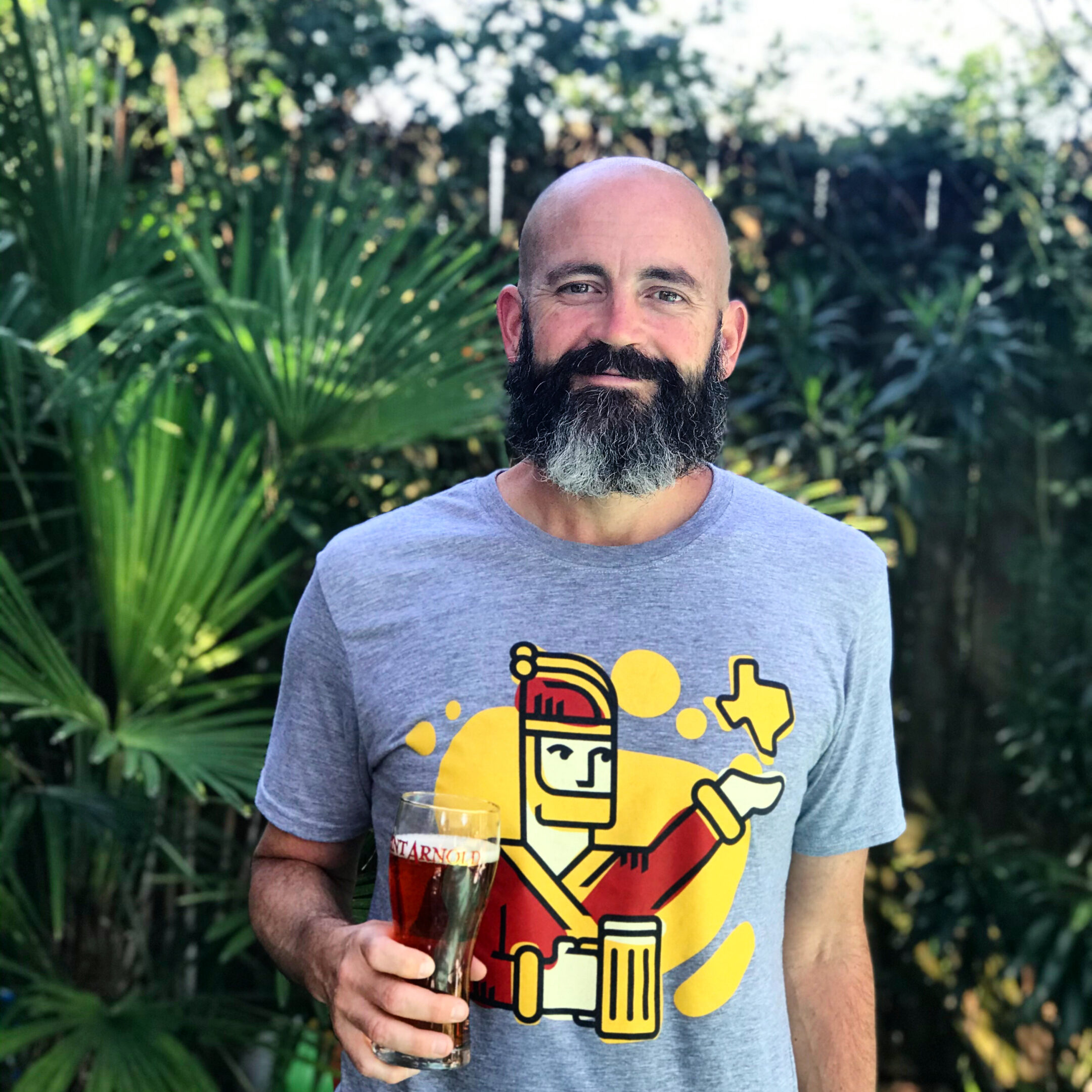 Lennie joined Saint Arnold Brewing Company in 2007, long before “craft beer” was everywhere, and just before the dawn of the brewery explosion. Outside of brewing, Lennie spent 13 years calling sports on TV in various markets across the country — which, if you ask him, was great training to yap with craft beer fans. Somehow, in the twilight between the 6 PM and 10 PM broadcast, Lennie sent an email to Saint Arnold Founder Brock Wagner (“Hey, what’s brewing at Saint Arnold?”) and, to his shock, he wrote him back. A year later, Lennie landed a job at Saint Arnold — no teleprompter needed. Nineteen years on, Lennie wears many hats: Chief Marketing Officer at Saint Arnold, Texas Craft Brewers Guild Board Chair, and, Board Member for the Houston Hospitality Alliance.
Todd DiMatteo - Brasserie et pub Good Word / Propriétaire et maître brasseur
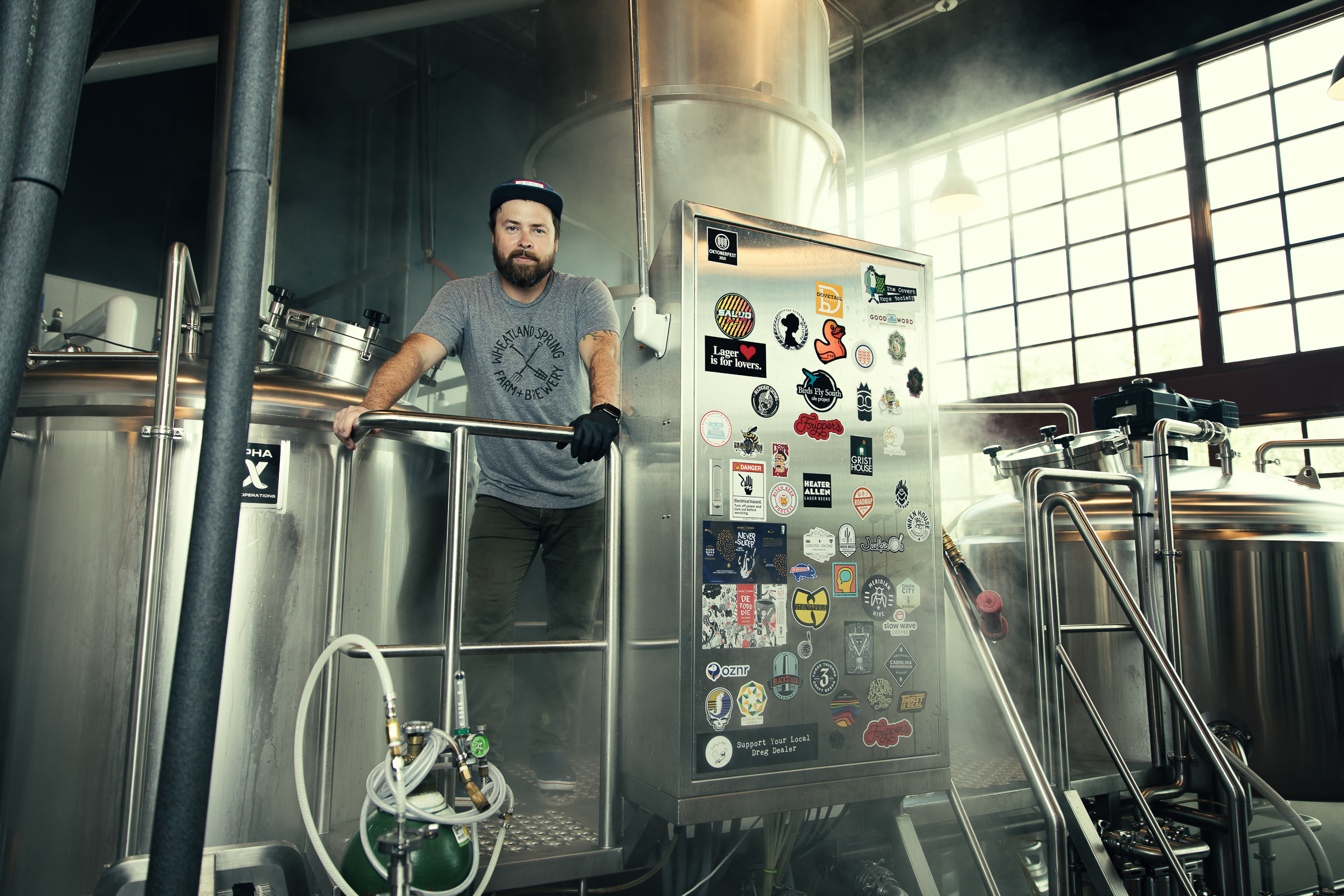 Todd DiMatteo fell in love with craft beer in 2001 in Asheville, NC, and spent nearly 12 years at Decatur’s Brick Store Pub; one of the top five beer bars in the country, before co-founding Good Word Brewing & Public House in 2017.
At Good Word, Todd leads brewing on a 10bbl system focused on continental lagers and English ales, and helped earn the brewery its Cask Marque accreditation; the 7th given in the United States. He also runs social media and produces Good Word’s three nationally recognized festivals: Little Beer (lagers), Les Bon (saison and oysters), and A Mighty Fine Invitational, Good Word’s annual anniversary beer festival with and pro wrestling.
PLUS ÉPISODES
SAISON 7, ÉPISODE 11 : PRÉPARER LE MESSAGE, PARTIE 2
ANIMATEURS DU BALADO :
Adriana Richey, responsable du contenu numérique / Country Malt Group
INVITÉS DU BALADO :
Lennie Ambrose, directeur du marketing de la brasserie Saint Arnold à Houston, au Texas.
Todd DiMatteo, propriétaire et maître brasseur de Good Word Brewing and Public House à Duluth, en Géorgie.
Les brasseurs savent faire de la bonne bière. Mais raconter l'histoire de cette bière, bâtir une marque reconnaissable et créer des liens authentiques avec les clients ? C'est tout un autre art.
Dans cet épisode du balado BrewDeck, nous accueillons Lennie Ambrose, directeur marketing de Saint Arnold Brewing Company, et Todd DiMatteo, propriétaire et maître brasseur de Good Word Brewing and Public House, pour parler de stratégie de marque, de narration, de collaboration et de création de liens authentiques avec votre communauté.
Leurs expériences diffèrent, mais une idée ressort clairement : le marketing réussi d’une brasserie va bien au-delà de la simple promotion des bières pression. Il s'agit d'inciter les consommateurs à s'intéresser aux personnes, aux lieux et aux histoires qui se cachent derrière la bière.
La notion de communauté a été un thème récurrent tout au long de la conversation. Plutôt que de considérer les autres brasseries et les professionnels de l'industrie comme de simples concurrents, Saint Arnold et Good Word ont toutes deux insisté sur l'importance des relations et du soutien à la communauté brassicole artisanale au sens large.
L'un des plus grands défis pour les brasseries est que le brassage et la commercialisation exigent des compétences très différentes. Les brasseurs consacrent naturellement leur temps à réfléchir aux ingrédients, aux recettes, à la qualité et à leur prochaine création. Mais les consommateurs ignorent souvent le travail, l'histoire, les personnes et la passion qui se cachent derrière ce qu'ils dégustent, à moins qu'on ne leur explique. C'est là que le storytelling prend toute sa force.
Au lieu de se contenter d'annoncer une nouvelle bière ou de publier une autre photo d'une canette, les brasseries peuvent expliquer pourquoi cette bière existe, qui a contribué à sa création, d'où vient l'inspiration et ce qui rend la brasserie elle-même digne d'être suivie.
Points clés :
- Votre marque est plus qu'une simple bière. Votre bar, vos événements, vos collaborations, vos interactions avec les clients, vos emballages et votre présence en ligne contribuent tous à façonner l'expérience que les gens ont de votre brasserie.
- Racontez l'histoire de votre produit. Ne vous contentez pas de décrire votre brassage. Partagez les personnes, l'inspiration, l'histoire, les ingrédients et les idées qui ont permis sa création.
- Créez des occasions de rencontre. Les espaces physiques comme les jardins à bière et les bars à dégustation peuvent devenir de puissants prolongements de votre marque en offrant aux clients un endroit où la découvrir en personne.
- La collaboration peut être un excellent outil de marketing. Travailler avec d'autres brasseries et partenaires de l'industrie permet de créer des histoires inédites, d'atteindre de nouveaux publics et de bâtir des relations plus solides.
- Pensez au-delà de votre propre brasserie. Soutenir et célébrer la communauté brassicole artisanale au sens large peut renforcer à la fois votre marque et l'ensemble du secteur.
- Le marketing ne doit pas nécessairement ressembler à de la vente. Dans le meilleur des cas, le marketing d'une brasserie consiste à communiquer ce qui vous tient à cœur et à inviter les clients à partager cette histoire.
Transcription - ÉPISODE S.7, E.11 : PRÉPARER LE MESSAGE, PARTIE 2
Adri Richey (00:09)
Welcome to another episode of the Brew Deck podcast. My name is Adri Richey and I am part of the marketing team at Country Malt Group.
And I am very excited to host this specific episode because we’re finally I’m finally talking about the one topic that I feel qualified to talk about that is marketing, branding, and social media in the beer industry.
So for this episode we wanted to bring in two different breweries that are in different parts of the country that have
different clients, different budgets, different beers, and also different a different approach to marketing.
So
today we have Lennie Ambrose, he’s the chief marketing officer at St. Arnold Brewing in Texas, and Todd DiMatteo, he’s the owner and head brewer at Good Word Brewing in Georgia.
Lennie, do you want to introduce yourself and just talk a little bit about St. Arnold and what do you do?
Lennie Ambrose (01:06)
I’ve been at St. Arnold 20 years. in January it will be 20 years. St. Arnold is 32 years old, started back in nineteen ninety-four.
And I think actually for a little while that worked against us because when all these breweries were opening around the country,
we started to become like the old tired brewery that no one wanted to come to and no one wanted to talk about, or we were just old, and if anybody posted about us.
On social media, the comments would always be, you know, St. Arnold is old.
But then at some point, I think because of our focus on quality, both in guest experience and the beer itself, once people started to go to other, you know, I don’t want to say fly-by-night breweries, but maybe some were fly-by-night breweries and had a bad experience or bad beer, then it kind of turned the other way.
To where our experience and longevity became a good thing. And instead of being the old man, we became sort of like the godfather of craft brewery.
And people started to see us as an experience that they knew would be excellent every time they came.
try to make sure we
appeal to those customers still and guests and fans
that came on the first tour in nineteen ninety-four. We
we like to say is that we have a beer for everyone, and we really like to lean into that message and have it kind of filter through company wide. So if you are a an IPA fan, we have six or seven on tap at a time at our beer garden and restaurant. If you’re a super traditional beer fan, we have cask beer on.
And so we want to take care of our existing customers and guests that have been with us for a long time, but also welcome new people into the beer garden all the time and hopefully.
They’re not only having a great experience at the beer garden, but hopefully that translates to going to buy a six-pack in the market too.
Todd DiMatteo (03:14)
Yeah, so I’m Todd DiMatteo and I am the head brewer and co-owner at Goodwood Brewing and Public House. We opened in 2017 and we focus primarily on lager and English beer, even though we make lots of other things, mainly classic styles. And we have a restaurant and yeah, we landed in this little town. It’s an offshoot of Atlanta. It’s in the suburbs. It’s about 35, 40 minutes away from the city.
I think that, you know, again, we’re, we’re brew pubs have food. think that that’s one of the things that’s going to define, us a little bit in that way.
But, know, generally speaking, we’ve
Probably got 16 to 22 odd beers on, ranging from Hefeweizen a vyson to six or eight different lagers at any given time. Typically two to four English beers. And then again, we do plenty of hoppy beer too. We don’t focus on that quite as much, so you won’t come in and find typically too many hazy IPAs. But I think that that kind of set us apart for a while.
You know, in Atlanta, he hasn’t ever been to Atlanta, but no one wants a frickin drive here. So,
getting people to come out from the city, was a focus early on, but we realized that, you know, there was a million people in our county. So we stopped worrying about that quite as much.
you know, during COVID we kind of like evolved that and, know, we’ve always had cash pierced since the beginning. We had one cash line for a while and I used to put, you know, a lot of room there. put fruit inside. I would do anything to try to get people excited about it.
And then I kind of realized it’s like, well, I,
I’m chasing my tail a little bit, like chasing what I think might be cool. Instead of being like, this is a traditional cast engine, I’m going to treat it like it should be treated. And so we changed it and we created our own program with it. And it helped move the English beers a little bit better. And then, you know, we’ve had a cast mark for the last few years. So again, like we knew we wanted to be, but I think that, you know, over time you
you know, you’re, you’re the clothes fit a little bit better. You know, you may buy like, I can see myself in this shirt. And then, you don’t put it on for awhile. And then you put on your, you know, this is me now.
Adri Richey (05:28)
how big is your marketing department?
Todd DiMatteo (05:30)
This guy.
will say, I will say, I don’t take all the pictures. If you see a bad picture on our Instagram, it’s me. You see a good one, I’ve asked somebody to do it or paid them. So I won’t say that.
Adri Richey (05:40)
Lennie, how big is your marketing department?
Lennie Ambrose (05:43)
it would be
seven-ish plus a team of part-time eight or nine brand ambassadors that do community events and samplings out in the public.
Adri Richey (05:57)
I don’t believe that good marketing or bad marketing equals a big a big budget or a big team. I think there’s no good way or bad way to share the message. It doesn’t matter if it’s only one person or if it’s a team of seven. I think it’s just the way you share it is what matters.
do you guys agree with me or do you guys think differently? Do you think a marketing budget or marketing the the size of marketing team matters to you guys,
Todd DiMatteo (06:28)
or no. So I think that,
like I said early on,
I was making these videos and had all this energy and probably put less energy into the brewery.
at 47 years old, at almost being nine years into being open,
I’m still here a lot. People who work here will tell you, there’s only two of us in the brewery and the other guy works just as hard as I do. I spend too much time here, my wife will probably tell you.
There are times when I’m like, I want to put this post up. I’ve got this idea. But like literally I come up here and I’m doing a diacetyl BBK check in the lab.
And so we usually get in the brewery. We’re brewing at like 5.30. We brewed yesterday.
and I didn’t get around to putting the posts up. like, I think that if there was someone who could at least feed some content, whether it’s, you know, them taking pictures or whatever, it would be helpful. Cause you know, when you’re looking at your phone, you see all these old pictures like, fuck, I can’t reuse this. And I think I already used that, you know what mean? So having at least someone with some kind of talent to feed you some of that is helpful if you don’t have that in your own wheelhouse. Like I said, if you see our Instagram,
It’s pretty cohesive, that’s for the most part. But if you see the bad pictures, those are me. If you see good ones, somebody’s fed me those, which is great. So I think one person can definitely do it and wear multiple hats. But to the level of success, I think it depends on how big you are and how much attention you’re trying to get.
Lennie Ambrose (07:56)
Todd, how do you sort of handle it now and like and and who does what? And could you budget one person that you know and to work six, eight hours a week just on social to, and Adri, say it with me, batch content to where they’re not, they’re they’re not trying to
Deal with the post for Friday on Friday morning that on
Todd DiMatteo (08:28)
Yeah.
Lennie Ambrose (08:29)
Monday, whatever, every Monday, they have six hours. You know, a kid, quote unquote, from the tap room that you know and trust has six, eight hours to do everything for the week,
People know you from being there and seeing you and the founder and whatever and treating you as a character that’s on talking about, wow, you’re gonna love this cask that we just put on or this burger that goes great with it. But you you are literally, they are telling you, can you stand here and talk for the next minute and a half And then you can go deal with the printer that is broken. Is that in the budget even? And I totally get it if it’s not.
But just to have somebody that can do just a little bit of those things for you that would be happy to have that opportunity.
Todd DiMatteo (09:17)
Totally. That’s a great question. think that leads a few things like so we have a big staff, right? Two of us in the brewery. 16, 14 and 16 in the kitchen and then 24, 25 front of house bartenders, managers and all that. So we have a big staff. As far as budget, yeah, I it’s always tight. feel like just being honest, but like if it somebody I didn’t have on a salary, sure, I don’t mind that. Like, you know, being at a film. But I think that.
That kind of leads me to the other part of like that trust you said and like relinquishing some of the not like tight grip a feel like because you know, that’s how it kind of feels sometimes when you’re like a growing business or whatever. It’s like, all right, well, this thing can be done better if you let and can afford person X to do it. So yeah, I think that’s like, yeah.
cause yeah, you know, somebody just saying the wrong thing or just whatever, could just totally screw you. You know, that’s what I always worry about is like, cause you know, there was a time when we had, somebody on our staff and they would do like, you know, every Monday we’re going to focus on one of the staff, you know, what’s your favorite, whatever, you know, and I love that. And, and then they went back to school and they, they’ve come back since then. talked about them.
you know, reactivating that, but we just haven’t done it. But, so I did trust them to do it for a while at least, but yeah, no, that’s great. I’m glad you pushed me on that because now I’m like, you’re right. should, I should make a little more effort for this.
Lennie Ambrose (10:49)
And you know, d Rust is has to be built too. So there’s no reason
Todd DiMatteo (10:53)
Totally. Yeah.
Lennie Ambrose (10:55)
for you to not say, send me the nine posts for the week and an email and a spreadsheet and a PDF and whatever the hell it is, just to get a look. And, you know, maybe you don’t even let them respond to to comments at first until they kind of build it. And if there’s anything
That’s a comment other than yummy or I can’t wait, then th there’s no harm in saying, just, you know, flash it to me and just get that one check and then hopefully they don’t step in it. I think too, one of the reasons that we’ve been successful is we’ve never stepped in it. Thank, thank the sweet lord, of some sort of political thing or whatever. And to be honest,
When somebody does post a snippy comment about something, if we just kind of let it ride, then other people will defend us for us. And we don’t even have to say anything. We never even, you know, your beer sucks, whatever. then and I also like to kill them with kindness sometimes too. your beer sucks. Or art car sucks. Great. That’s why we have a beer for everyone. if you don’t like art car.
then maybe try cold IPA or Eclipse IPA
just over the top kill with kindness. Over I like overexplainy too. well you didn’t like that. Well it’s because of this, this, this, this, this, this, this, this. And it I always think of it as like somebody reading it is like, whoa, they burned them in the nicest way possible.
And that tends to work out and then you don’t get in a back and forth at all. But it seems like since you do have a staff, there’s some again, quote unquote, kid that maybe could help you at least batch content to just get through it. So if the printer breaks, you’re not totally thrown off by everything. You still have something already teed up and ready to go.
Adri Richey (12:59)
Lennie, going back to marketing budget and all that we know that St. Arnold has a a bigger budget and a bigger marketing team. So for you and St. Arnold, what is the hardest part of marketing? If you have the budget and you have the team, so for you what’s the hardest part of marketing something?
Lennie Ambrose (13:19)
so we are a 70-ish thousand barrel brewery. and we’ve been between seventy-two and sixty-two thousand barrels for a long time. which, you know, by comparison, Shiner, who is in Texas, obviously, I don’t know, they’re probably around five hundred thousand barrels. So there’s still this ocean and
Karbach Brewery, which is in Houston, as well, is a wholly owned by A B brewery. so one of the hardest things to me is us being compared to Shiner and Car Bach because I think people see us as being bigger than we actually are. And I mean, even internally, sort of comparing ourselves to them, me comparing us to them, is a com just a completely different
almost apples to oranges kind of situation, but the general customer doesn’t know that. And so, you know, things like we’ll get, well Karbach is, you know, has an official beer for the Astros. Why doesn’t St. Arnold do something like that? And then you have to go down the road of, well, because they’re owned high by Anheuser Busch and Anheuser Busch has the overall contract with the Astros and has IP rights. And so that’s why they’re allowed to do that. So just from a public perception standpoint, that
has been difficult over the years. And then also saying like, you know, I I’ve just throwing out a a number. A a Karbach a Shiner has a five hundred thousand dollar sponsorship with a larger entity. So what are the what are the avenues that aren’t five hundred thousand dollars that we can do that still make a large impact? So we rely heavily on our community partnerships.
We do a ton of beer donations and it’s a way to expand our circle of influence with companies and businesses and community organizations because hopefully the hope is if someone goes to an event at an arts organization that they are personally invested in, that they love, they’re supporting their friend that’s the artist there, then hopefully we’re expanding our social of influences by influence.
By a beer donation to show the people, hey, we care about this organization too. We care about this friend too that’s doing this community cleanup, this arts organization, whatever those things are. So we have to lean into those. And that’s, you know, we spend a lot on that, but I think the impact multiplier is worth it.
And all of these, we are not the the ROI is not. we are making it up in beer sales what we spend on the sponsorship. But again.
If something is cool and recognizable about the city of Houston, we want to be involved in that. We want to be where people are. And so that that is the challenges we face and the way we try to attack those challenges at the same time.
Adri Richey (16:37)
there’s so many breweries around the country right now. We are like fighting, competing. You know, we’re all friends, we’re we’re still competing against each other, you know. So, do you guys think that making great beer is enough anymore? Like, there’s so many brewers, like I said. So, how important is the story around the beer in getting someone to actually choose yours?
Todd DiMatteo (17:03)
yeah. So I think that, you know, we don’t have any huge campaigns with beers, just so you know, like again, at a thousand barrels, can, we sell most of the beer right here, which is a fortunate thing. but I think that, you know, kind of what Lennie said, I think people want to see themselves in what you’re doing. Right. It’s like, you know, pictures of beer are great, but I think people in the pictures drinking the beer.
people in the space, enjoying the space is what really attracts people to your brewery and to your tap room or your restaurant or whatever it is. And I think for us, it’s important to highlight what the community actually looks like.
It’s like, Hey,
We’re here for you
too. You know what mean? Like we want, we want the people to see themselves in our place. And so
That’s
Adri Richey (17:55)
basically
Todd DiMatteo (17:56)
the story
we tell. Like it’s really organic. It’s not like
have, again, we don’t have the budget for this kind of stuff. So,
Lennie Ambrose (18:02)
when we do stuff with our founder, he’s not sometimes he has ideas, but he’s used of like, just stand here, just do this, just talk about this. And people want to see Brock. It’s like, hey, it’s Brock. awesome Brock. whatever. And he had very little to do with it from the planning perspective. but you know, people want to see him.
Now
I I again I really am like a creating characters kind of person. Like I do a segment with our brew master called Brewer’s Notes. So we have that and then we have other people that do kind of design things. And then we have a guy that dresses up as Saint Arnold and he’s sort of on things. So it’s like a kind of a little, I don’t know, characters, creating characters around. But I I bet that you’ll get tons of engagement on it. Also, you said something that kind of sparked this.
That it’s not virtue signaling, it’s you know organic. And you know, to me, it’s like forget about any of that narrative. At the base level, it’s if this appeals to somebody more, at the base level,
If they felt coming comfortable coming there for this beer release, for this special food you put on the menu, whatever, and they had a good experience, then hopefully they’re gonna come back and spend more money.
Todd DiMatteo (19:21)
you’re right.
Adri Richey (19:22)
what makes a social media post successful to you? Is it engagement? Is it more followers? Is it impressions?
do you measure sales with social media followers? Because that’s hard. So so for you, what makes a post successful?
Lennie Ambrose (19:37)
that we got out the message
a way that we feel like
got it out correctly. And so that could be a really excellent beauty shot of a new beer that we have, and through the photo, projects excellence. And so people see an excellent picture and they think.
Then, the beer must be really good too. or a viral style video that shows that we’re also dumb and can put a bunch of art car cans out and have someone pick them up and say, you know, this trap got me, or whatever the viral clip of the week is, and do that. we try to do it all and
We try to be a friendly place. So if someone’s scroll scrolling through our feed or looking at our page, our grid, that they see that it is friendly. That is our brand id identity, again, a beer for everyone, that they maybe can see themselves because we’re using different people on the staff. and no, it is not yes, we absolutely look at engagement, but to chase engagement.
Is a fool’s errand because something we think is gonna do great and be engaged with a lot falls flat, five likes, something we didn’t really plan on all of a sudden takes off, and that’s great too. So to me, it’s more of like an overwhelming the feed and knowing too that you know if you look how many followers we have, a hundred and four-ish thousand these days, and one post.
Todd DiMatteo (21:25)
104,001 I just started following you.
Lennie Ambrose (21:27)
Hey, there you go. and that better have ticked up. I I’m gonna look. but chasing engagement per post, you know, it it’s never gonna be something that you’re satisfied with. it’s more looking at the big picture. And are we getting the message out about the beer garden, about an event we have in an account, about a new beer?
about reinforcing our existing brands. I mean, it is so much, but I try to take a kind of an overwhelming approach to it rather than an individual post, even though each individual post has to be excellent and done with intention. Maybe that’s it. Do everything with intention. If you’re trying to do a viral video that is obviously shot on a phone and you want it to look that way, then that’s great.
If you want to do a really excellent beauty shot of a beer, then that’s great too. Just do it with the intended purpose.
Adri Richey (22:30)
Todd, how do you measure success on social media?
Todd DiMatteo (22:33)
Leni that was great by the way so Kind of like Leni said we don’t have quite that many we have around just under 16,000 followers So not nothing, but you know you always want to grow it to be more like I said the activation The call to action isn’t what it used to be so even if you have a ton it might not you know be as effective but you know we do throw a couple of like beer festivals each year and so
We’re getting that message out. want to make sure people are seeing it. obviously people commenting and being engaged, whether it be comments or whatnot. But the main thing that I see is when they share. So if you see, you know, whatever, could be a couple hundred likes, but you see all these shares, you’re like, damn, this is going somewhere. And I think that’s what we kind of look for. And that’s probably one in 15 videos. I did do one with
cash stuff though, Lennie, it was on TikTok. And I was using like a split screen. I was using the video with all the dudes going, you know, whatever. I forgot it was like a meme from maybe two years ago and I was like pouring cash. yeah. So, you know, being playful and putting yourself out there, even if you take your beer serious is awesome, I think too.
Adri Richey (23:53)
to agree with what you guys are saying. Yes, organic content, being yourself, and you know, make it with intention rather with just like making something pretty just to look magazine pretty, you know, that might not be
The best engagement ever.
But this leads me to another question.
you remember what?
Is your post that has had more engagement or or that exploded and that you didn’t know was gonna explode and it just went viral? Is there a post you remember that that actually went great on social media? And what was it? What kind of content was it?
Lennie Ambrose (24:31)
Yes.
It was a vi a sort of viral-ish post. This is one that like totally
caught me off guard.
a beer garden manager was like, Hey, can you do something beer garden related? We haven’t I haven’t seen anything lately. And man, we’re just having a slow time. And so there was like this trend at the time that was like, all a man needs is a
beer and a buddy and a dog and a beer garden and something. So we had this guy, he plays St. Arnold for us too sometimes.
But he you know, a little bit of a character, but literally he went and stood and I think it was iPhone shot
that was like forty-five thousand views,
just out of nowhere.
know, that that to me was like one of those things you can plan, you can try you can effort for something that’s gonna take off and you just don’t know. But it
It was done with intention. We had an intention for it. And it wasn’t just to throw something up as fast as possible. It was like, okay, what can we do? What might work? And it just really worked.
also something recently is, you know, dabbling in the the era era of influencers. I still haven’t, you know, figured that out. but one thing that has worked well in that area.
is to try to find somebody that has a following but has some kind of organic tie to the company. So at least it’s not you’re getting somebody to do influencer work and they’ve never been there before. so a a great example is a a girl named Jasmine Tridit as her handle. And she is an
Influencer within the black community, and she visits restaurants. And we noticed that I think she came here once, or we had her here for an event, and she was just talking about how much she loved our ciders that we make: tiger’s blood cider and rocket pop cider and gummy worm cider. So I just kind of floated to her like, Hey, would you be interested in doing a video on our ciders? Because you already like them, so it’s coming from an authentic place.
when she did a video and that one has done really well.
And again, another example of there’s no secret that craft beer under indexes in the black community. I don’t think we do a great job with outreach. And so that was a way of like, hey, here’s somebody that has an inroad in that community through her social media feed. So if we get her to do something, it’s not just preaching to beer nerds. If
A beer nerd in the city of Houston doesn’t know that we exist already, then it’s their fault. It’s really nothing we’re doing. They haven’t typed in craft brewery Houston into the Google machine. So, but for her, somebody like that might not have in her feed and community might not have felt comfortable coming to a craft brewery. So it was a way of her saying to her followers, hey, this is a cool place, and if you don’t like IPAs,
Maybe you like gummy worm cider, so you could should come and try that. And that did really, really well.
And a tiny measurement of success is that our hospitality GM noticed slightly after, and he didn’t even know we had done this video, that we got a little bit of a demographic shift in the beer garden in the weeks after that.
And yeah, you can’t point to that one thing and you’re never going to be
From a marketing perspective on our ROI. But that was something that I felt like worked super well. We paid her a little bit. We also gave her and her friends, whatever, a free meal. But I didn’t feel dirty doing that because it wasn’t just me someone reaching out to someone and say you like this, even if you do or don’t, because we’re giving you money. She already kind of had that base. And so it worked from a social media perspective, a marketing perspective.
And a business sales perspective in the end, too.
Adri Richey (28:53)
Todd, is there a post that you remember that went so well and you
Todd DiMatteo (28:57)
Thanks.
Adri Richey (28:57)
didn’t know that it was gonna explode like that?
Todd DiMatteo (29:00)
we’ve had a few like that. feel like anytime we’ve touched on this a little bit, anytime you’ve got a person with the beer, always does better. But, so when we closed for the pandemic and the first week of March, we’re everybody closed. I know, but we were on the first and Georgia to close and we had just changed our menu. And so we had all of this, product. just ordered like
six, $7,000 of the proteins. had all this stuff that we’re like, this isn’t just going to go bad. And so I remember talking to one of my partners and I was like, let’s just give it away. And so we gave food. were essentially a soup kitchen for like six weeks. And, know, I was doing a lot of the talking heads, like, you know, here’s the post, here’s the soup that we have. And, you know, it started, it was really great and people were sharing that and we were getting like news coverage, local stuff, course.
was like, I just didn’t want it to feel like we were kind of milk, cause we were closed. know, we were literally, were making a couple of soups to give away during the day. would crow their beers and sell them, me and my partner. And so we did it for maybe six or eight weeks and we were still doing the soup kitchen even when we came back for to go only, cause we did to go food only for a while.
And it was hard for me to like turn it off because it wasn’t that there were just all of the, we did it for service industry, but we weren’t saying no to anybody. We were like, we’re doing this. This is why we’re doing this. And so that was what was getting the attention, but we were seeing so many people locally that were poor and desperate long before COVID. And so we’re seeing the same kind of faces and it was like
turning that off was hard.
So we went from doing it every day and I was like I’ll just do it like you know on Sundays
Adri Richey (30:50)
the posts that we think they’re gonna go great, sometimes they just don’t connect. And the posts that we think they’re gonna be average, they like go trendy. So yeah, it’s it’s very interesting to hear both perspectives from two different breweries, from two different places.
Part of marketing is also how you
design your cans and your labels. So imagine that you are in a store and you’re in front of the fridge. What makes you choose the beer? Is it the design? Is it the name? Is it the type of beer that you’re trying to take home that day?
when you’re looking at so many different craft beer designs, so many of the different styles.
of beers and company. So what makes you choose that beer that day,
Todd DiMatteo (31:37)
like a little bit of all of that, right? But it kind of depends on where I’m at
know what I’m gonna trust right? So
I first gravitate towards style then I got you know, feel through that’ll come through is like do I know who this brewery is? Right because I don’t spend you know craft beer prices on
logger that I don’t know anything about or trust or whatever.
also like a fun name too. Like I said we have some silly long names and some are not but you know I think that most consumers are gonna look at the label and that’s gonna help drive them towards that.
Lennie Ambrose (32:11)
for me. Buying beer at a store, I’m pretty boring now because I’ve tried everything. I’ve had every barrel-aged Imperial Stout, I’ve had every sour imaginable, and then I just kind of come back to what I trust. Like Todd said, you know, you’re paying whatever it is these days.
11, 12, 13 for a six pack. In Texas, we actually have some of the better, I think, overall craft beer pricing in the country when I travel. It’s pretty high. But you know, Sierra Nevada Pale Ale. I like their their campaign that they did with the national parks. I thought that was a really nice rebrand, refresh campaign.
It showed what they support and what their values are. It still was recognizably Sierra.
If I’m gonna experiment, it’s probably gonna be in somebody’s tap room. It is rare that I experiment when I’m in the the grocery store. I kinda go with what I know and trust there and that sort of keep coming back to the same things over and over.
Adri Richey (33:28)
I have three more questions, but these are very quick. Okay.
Lennie,
if I took away your entire marketing budget right now, what would you do?
Lennie Ambrose (33:38)
everything else is the same, it’s just zero dollars.
Probably
would just reinforce social right now and
if you’re taking away all dollars, that means too that we can’t do any more beer donations, we can’t do any more community events, we’re not doing sampling.
probably just reinforce social
Adri Richey (34:00)
Okay, this is a question for you. Todd, if I were if I give to you all the budget that I took away from Lennie, what would you do?
Todd DiMatteo (34:08)
nice. I’d probably hire Lennie. So I run our marketing. I don’t know. I think that if I had a budget that was substantial, I would have to have some guidance, you know. So I think that’s one of those things when you’re given something and you’re not used to it, need somebody to kind of hold your hand and show you how to make that worthwhile and not just be throwing money away.
Lennie Ambrose (34:37)
if if it was
Arnold in exactly how we are structured already, with deep distribution and chains and on-premise and off-premise and things like that. if you took away the money, I would make sure I would call our distributor, who I don’t really deal with a lot on the sales side, but we would collectively
call our distribute the royal we would call our distributor and reinforce the core brands for them to focus on out in the market to make sure, hey, we’re we can’t spend any more money, but just make sure you have the right things on tap everywhere. That it’s not our eighth brand, that it’s art car and lawn mower on tap everywhere. make sure our chain relationships are good and shored up and not tell them we’re we’re out of
cash to spend, but just reinforce those those partners that are already out in the market to make sure that they have their priorities straight.
Adri Richey (35:41)
if you had the opportunity to give marketing advice to another brewery your size with your same budget and it’s just one person doing marketing, what advice would you give that brewery?
Todd DiMatteo (35:54)
So put something up, right? Don’t just, you know, assume that you can get it done. I would also say don’t fall down the AI. And if you guys are doing it, I apologize, but don’t fall down that rabbit hole because it seems like an easy way to get something off your list, but it doesn’t seem genuine. I’m not saying AI is not helpful. To organize our meetings, I use it. Believe me, it’s great.
but I think that to use it in an artistic way is a misstep and I see it a lot. And I think that people are, not even they’re savvy. They just don’t want to see it like that. Trust me. I mean, I see all these comments out there, but yeah, make sure you’re putting some content up there. I’d also say if you have the time and you have any amount of money to spend, like take a photography class, you know, just to get like some basics down, some aperture stuff, you know, our user phone.
about lighting, watch some YouTube videos, those are free. But yeah, put something up, make it feel authentic,
Lennie Ambrose (36:55)
sort of what Todd reinforced when they stopped trying to get people to drive in from downtown Atlanta is focus on the three miles around you first. If you can dedicate a hundred dollars to a geo-targeted ad.
In your own zip code. Do that, you know, and make it look good too. You gotta make it look good. But also just reinforce first the people that are immediately around you. I don’t know, do like a campaign style knock door knock, walk around the neighborhood that you’re in and drop off flyers that don’t cost very much with specials.
with whatever that is. Hey, we’re a new community hub. Come for a tic-tac-toe night on this night. We’ll have these beers on tap and just start there and let them be your multiplier. You gotta make sure that your beer’s okay or even better than okay if you your first batch is, you know, a butter bomb, then you’re gonna have to take that loss and
Wait to do the opening until you don’t have a butter bomb. because if you do door knock and you do do a paid ad for the your zip code and they come and the IPA is sour and it’s not a sour IPA, then then it has the negative effect. So make sure your beer’s okay before you do it and
Then just get the mile, two miles right around you to stop in.
Adri Richey (38:47)
last question and the most important one.
what is your favorite drink? Doesn’t have to be beer,
Lennie Ambrose (38:54)
right now it would probably be the
the Irish coffee at Better Luck Tomorrow Bar in the Heights.
you gave me a top ten I could do that too. So many are like time and a place, you know.
Adri Richey (39:13)
Todd, what’s your favorite drink? Doesn’t have to be here.
Todd DiMatteo (39:15)
Favorite drink has changed, but it was Topo Chico. They just keep raising the friggin’ price and we can’t afford to bring it anywhere. We were buying like three cases a week or so and
kind
of depends on the time of day. So in the morning, it’s black coffee, right? We have a local roaster, Endix Roasters right around the corner. They’re awesome. Later.
of soda water and then at the end of the day some kind of delicious bell auger.
Adri Richey (39:42)
Well thank you guys.
Alright. Thank you. Bye.
Lennie Ambrose (39:45)
Okay. All right.
Todd DiMatteo (39:47)
You guys have a great day.
Bye bye, thanks.
PLUS ÉPISODES